
Introduction
The philodendron plant has been a favorite in homes since the 1880s. That's over 140 years of proven indoor growing success. I got my first heartleaf from a coworker who snipped a vine right off her desk plant. That single cutting turned into a full shelf of green within one year.
These tropical houseplants stand out because of the huge range of choices you get. The genus holds over 600 species per NC State Extension. They split into two main growth types. Climbing vines trail from shelves and wrap around poles. Self heading types grow upright in compact shapes that fill a corner with bold leaves. Think of them as the Swiss Army knife of indoor plants. You want a trailing vine for a shelf? Done. A bold statement plant for a corner? Also done.
UF IFAS research shows the heartleaf type has been a foliage favorite for over 60 years. It handles a wide range of indoor conditions with ease. Most species do best in bright indirect light at 65 to 80°F with humidity above 50%. Philodendron care stays simple once you learn the basics of water, light, and soil.
This guide covers the best varieties for your home and proven care tips backed by real research. You'll also learn safe ways to keep these plants around pets and kids.
10 Best Philodendron Varieties
I've grown over 30 types of philodendron in my own home and tested each one for ease of care. These 10 philodendron varieties made my list because they give you the best mix of beauty and simple care. I grouped them by growth type so you can match each plant to your space.
You'll find vining philodendron picks that trail and climb plus self-heading philodendron picks that grow upright. NC State Extension data shows these plants range from 3 to 30 feet tall based on species. Need a small desk plant like a philodendron birkin? Or a large floor piece? You'll find your perfect match right here.
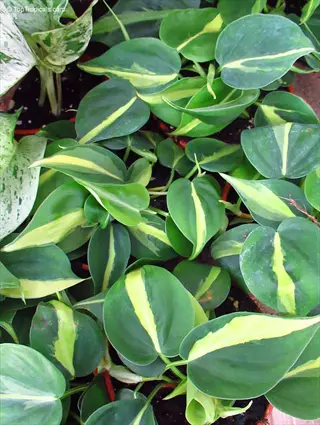
Heartleaf Philodendron
- Growth type: Climbing vine that trails from hanging baskets or climbs a moss pole with ease, reaching lengths of 10 feet (3 meters) or more indoors with proper support.
- Light needs: Tolerates low light better than almost any other houseplant, though it grows fastest in bright indirect light near a north or east-facing window.
- Leaf features: Classic heart-shaped leaves in deep glossy green measuring 2 to 4 inches (5 to 10 centimeters) long, maintaining consistent color throughout the year.
- Care level: Super forgiving and perfect for complete beginners, surviving missed waterings and adapting to changing indoor temperatures without fuss.
- Best placement: Ideal for bookshelves, hanging planters, or trailing across a mantelpiece where its cascading vines create a lush green curtain effect in any room.
- Special note: UF IFAS research confirms this variety has been the most popular foliage houseplant for over 60 years due to its resilience and adaptability.
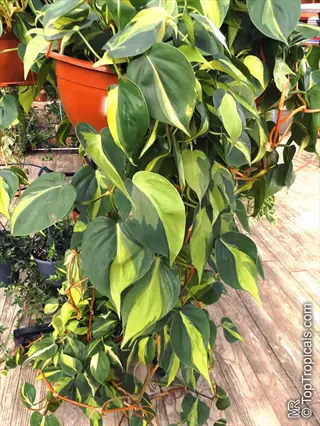
Philodendron Brasil
- Growth type: Fast-growing trailing vine that adds vibrant color wherever it hangs, reaching 6 to 10 feet (1.8 to 3 meters) in length within a few years.
- Light needs: Requires bright indirect light to maintain its distinctive variegation pattern, as low light conditions cause the yellow-green stripes to fade to solid green.
- Leaf features: Heart-shaped leaves with a striking lime-green and yellow center stripe against darker green edges, creating a vivid two-tone pattern on every leaf.
- Care level: Almost as tough as the classic heartleaf variety, making it a great step-up choice for beginners who want more visual interest without added work.
- Best placement: Stunning in hanging baskets where sunlight can highlight the variegation, or trained along a window frame where the colorful foliage catches natural light.
- Special note: This variety is a natural sport, or genetic mutation, of the heartleaf philodendron, and it holds a United States plant patent.
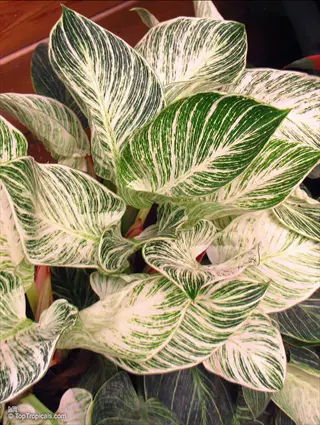
Philodendron Birkin
- Growth type: Self-heading compact plant that grows upright without any support structure, reaching a maximum height of about 3 feet (0.9 meters) at full maturity.
- Light needs: Performs best in bright indirect light, which brings out the crisp white pinstripe variegation that makes this variety so sought after by collectors.
- Leaf features: Dark green leaves with elegant white to cream pinstripes radiating from the center vein, and each new leaf unfurls with a unique stripe pattern.
- Care level: Moderate care needs with a bit more sensitivity to overwatering than heartleaf varieties, but still doable for anyone with basic plant experience.
- Best placement: Perfect as a desk or tabletop accent plant where its compact rosette form and striking leaf patterns can be appreciated at close range in a well-lit room.
- Special note: Birkin is a newer cultivar that sometimes produces leaves that revert to solid green or display surprise pink variegation as a throwback trait.
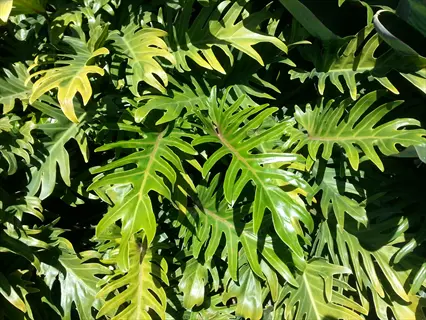
Philodendron Xanadu
- Growth type: Self-heading variety that forms a wide, bushy mound reaching about 3 feet (0.9 meters) tall and up to 5 feet (1.5 meters) wide at maturity indoors.
- Light needs: Handles moderate light conditions but produces the most dramatic deep-lobed leaves when given consistent bright indirect light throughout the day.
- Leaf features: Glossy dark green leaves with deep finger-like lobes that become more pronounced as the plant matures, creating an architectural tropical silhouette in any space.
- Care level: Low maintenance and drought-tolerant once established, making it one of the most forgiving self-heading philodendrons available for home growers.
- Best placement: Works great as a floor plant in a living room corner or entryway where its wide spreading form can fill space and serve as a bold focal point.
- Special note: First sold as Philodendron Winterbourn, this variety was later reclassified and is sometimes listed under the genus Thaumatophyllum in newer references.
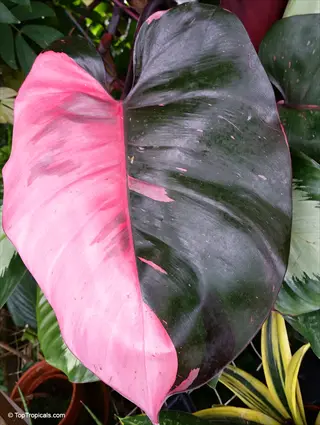
Pink Princess Philodendron
- Growth type: Climbing vine that grows at a moderate pace and benefits from a moss pole or trellis support, reaching 4 to 5 feet (1.2 to 1.5 meters) indoors.
- Light needs: Requires bright indirect light to maintain and produce its signature pink variegation, as too little light results in mostly dark green leaves.
- Leaf features: Deep burgundy to nearly black leaves splashed with bubblegum pink variegation in patterns that are unique to every single leaf on the plant.
- Care level: More demanding than basic philodendrons because maintaining strong variegation requires careful light management and occasional pruning of all-green growth.
- Best placement: Position near a bright east-facing window where morning light encourages pink pigment production without the harsh afternoon sun that can scorch delicate leaves.
- Special note: One of the most collected philodendrons worldwide with prices that swing based on the amount and stability of pink variegation on the leaves.
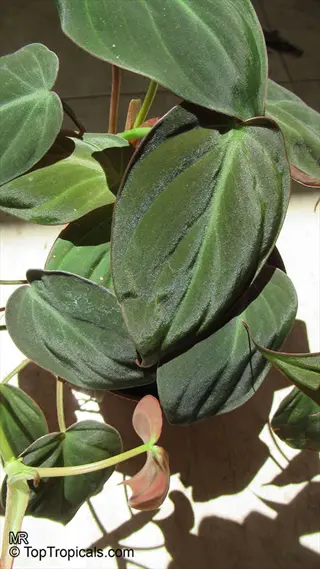
Philodendron Micans
- Growth type: Trailing vine with a graceful cascading habit that can reach 6 to 8 feet (1.8 to 2.4 meters) in length, making it ideal for elevated planters and shelves.
- Light needs: Thrives in medium to bright indirect light and handles lower light conditions better than most variegated varieties while keeping its velvety leaf texture.
- Leaf features: Heart-shaped leaves covered in a soft velvety texture with iridescent tones that shift between deep green, bronze, and rust depending on the light angle.
- Care level: Easy to care for with similar needs to the heartleaf philodendron, though its velvet leaves do best with humidity around 50% to 60%.
- Best placement: Gorgeous trailing from a high shelf or macrame hanger where the velvety leaf surfaces catch light from different angles throughout the day to show color shifts.
- Special note: Classified as Philodendron hederaceum var. hederaceum, making it a close relative of the common heartleaf despite its strikingly different appearance.
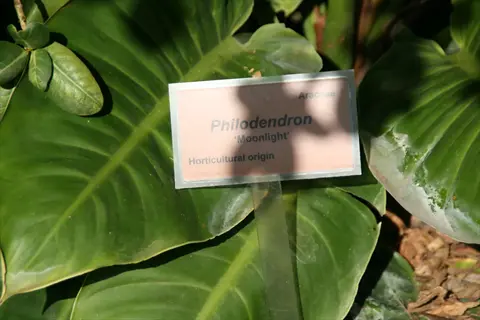
Philodendron Moonlight
- Growth type: Self-heading variety that produces a low, spreading rosette of bright foliage reaching about 2 feet (0.6 meters) tall and 2 feet wide at full size.
- Light needs: Needs bright indirect light to maintain its vivid chartreuse to lime-green color, as low light causes leaves to darken toward a less striking standard green.
- Leaf features: Large elongated leaves emerge in a bright neon yellow-green color and deepen to a rich green as they mature, creating a multicolor gradient effect.
- Care level: Straightforward care with moderate watering needs, and it handles typical household humidity well without requiring any supplemental misting or a humidifier.
- Best placement: Makes an excellent bright accent on a side table or plant stand where its glowing chartreuse new growth can contrast against darker surrounding foliage plants.
- Special note: This hybrid cultivar was bred for its luminous new leaf color, and grouping it with darker green plants creates a dramatic garden display.
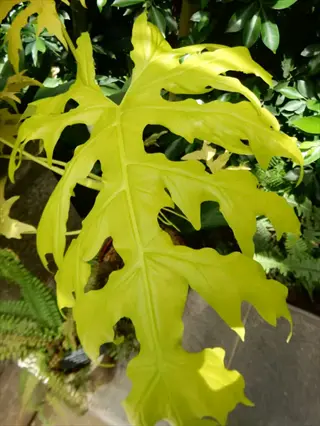
Philodendron Selloum
- Growth type: Large self-heading type that can reach up to 15 feet (4.5 meters) tall with individual leaves spanning 4 feet (1.2 meters) long in ideal outdoor conditions.
- Light needs: Requires more light than most philodendrons at 40% to 76% shade, equal to 3,000 to 5,000 foot-candles during production per UF IFAS research data.
- Leaf features: Massive deeply lobed leaves with a dramatic tropical silhouette that earned this species its common name of split-leaf or tree philodendron among gardeners.
- Care level: Moderate care but needs significant floor space as it matures, and indoor specimens typically stay more compact at around 5 to 6 feet (1.5 to 1.8 meters).
- Best placement: Best as a large floor specimen in a bright living room, sunroom, or covered patio where it has room to spread its impressive canopy of deeply cut leaves.
- Special note: Now reclassified as Thaumatophyllum bipinnatifidum, though most nurseries and plant shops still sell it under the philodendron name for customer familiarity.
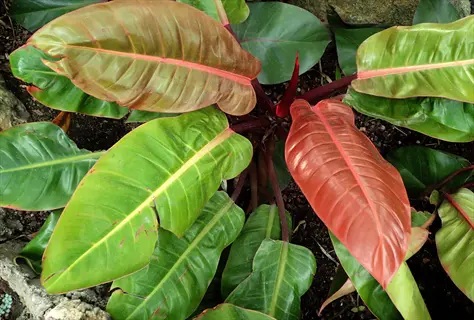
Philodendron Prince of Orange
- Growth type: Self-heading compact variety that forms an upright rosette reaching about 2 feet (0.6 meters) tall, fitting on tabletops and plant stands with room to spare.
- Light needs: Grows best in bright indirect light, and rotating the pot a quarter turn each week ensures even growth and consistent color development on all sides.
- Leaf features: New leaves emerge in a vivid bright orange that transitions through shades of copper, salmon, and light green before settling into a deep green color.
- Care level: Easy to grow with standard philodendron care requirements, making it perfect for anyone who wants striking color variety without specialized growing conditions.
- Best placement: Position where you can see the center of the rosette, as the color gradient from orange new leaves to green mature leaves creates a built-in rainbow effect.
- Special note: Bloomscape recommends weekly rotation for this variety to prevent lopsided growth, since it leans hard toward its main light source.
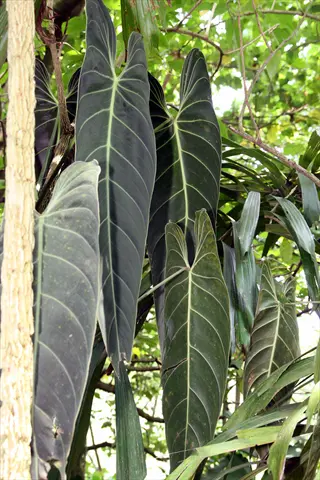
Philodendron Melanochrysum
- Growth type: Climbing vine that produces long, dangling leaves and does best on a sturdy moss pole, reaching 5 to 8 feet (1.5 to 2.4 meters) indoors.
- Light needs: Thrives in bright indirect light with higher humidity needs than most common philodendrons, doing best at 60% to 80% humidity for great leaf growth.
- Leaf features: Large velvety dark green to nearly black leaves with a crystalline shimmer and prominent pale green veins that can grow over 2 feet (0.6 meters) long at maturity.
- Care level: Intermediate to advanced care due to higher humidity needs and sensitivity to root rot, making it better suited for growers with some houseplant experience.
- Best placement: Display on a moss pole near a humidifier in a bright bathroom or kitchen where natural moisture levels support the velvety leaf texture this species is famous for.
- Special note: One of the most sought-after collector philodendrons, valued for its dramatic dark velvet foliage that seems to shimmer with golden highlights under the right lighting.
Each of these types of philodendron brings something new to your home. You can grab a heartleaf philodendron for under $15 at most garden centers. Collector picks like the Melanochrysum cost more, but their stunning leaves make up for the price tag.
Essential Care Requirements
Good philodendron care comes down to copying what these plants get in the wild. They grow under tree canopies in the tropics, so bright indirect light is your target. UF IFAS research says you need at least 150 foot-candles of interior light for best results. The minimum they can handle is about 75 foot-candles, which is a dim corner far from windows.
I keep my philodendrons near east and north facing windows where they get plenty of soft light. For philodendron light requirements, avoid direct sun that can scorch the leaves. Philodendron watering works best on a simple check. Stick your finger 1 inch into the soil and water when it feels dry. Philodendron humidity should stay above 50%, and SDSU Extension warns that brown tips with yellow halos mean your air is too dry.
Philodendron temperature needs are easy to meet in most homes. Keep your plants between 65 and 80°F during the day. SDSU Extension suggests nighttime temps of 62 to 65°F for best growth. Never let your plant sit below 55°F or you'll see damage fast. Use a fertilizer with a 3:1:2 ratio for nitrogen, phosphorus, and potassium. UF IFAS research backs this specific blend. Most guides just say "balanced fertilizer" but that ratio makes a real difference in leaf size and color.
The seasonal shift matters more than most guides tell you. I cut my watering back by half in winter and stop all feeding from November through February. Your philodendron will thank you with stronger spring growth when you give it that rest period.
Soil, Pots, and Repotting
Getting the best soil for philodendron starts with one key fact about how they grow. In the wild, these plants live on trees, not in dense ground soil. Your philodendron's roots need air flow and fast philodendron drainage to stay healthy. I killed my first two plants by using regular potting soil that held too much water. Once I switched to a chunky peat moss perlite mix, the difference was huge.
You can mix the ideal philodendron soil mix at home with a simple recipe. UF IFAS research shows your target soil pH falls between 6.0 and 6.5 with soluble salts at 1 to 2 dS/m. Your pot-bound philodendron can still thrive as long as the soil drains fast. Iowa State Extension specialist Aaron Steil confirms these plants do best when their roots are a bit snug in the pot. SDSU Extension also tells you to replace your soil every 2 years to prevent salt and chemical buildup.
Ideal Soil Mix Recipe
- Base ingredient: Use 2 parts high-quality peat moss or coco coir as the moisture-retaining foundation that holds nutrients while still allowing water to flow through freely.
- Drainage booster: Add 1 part perlite to create air pockets in the soil that prevent compaction and allow oxygen to reach the root zone for healthy growth.
- Structure element: Mix in 1 part orchid bark or chunky pumice to mimic the airy growing conditions philodendrons experience on tree trunks in their native tropical forests.
- pH target: Aim for a soil pH between 6.0 and 6.5 as recommended by University of Florida IFAS research, testing with an inexpensive soil pH meter available at garden centers.
Choosing the Right Pot
- Drainage holes: Always select a pot with at least one drainage hole in the bottom, as standing water around philodendron roots leads straight to root rot and fungal infections.
- Material options: Terracotta pots wick away excess moisture faster than plastic or ceramic, making them ideal for growers who tend to overwater their houseplants.
- Size rule: Choose a pot only 1 to 2 inches wider than the current root ball, since philodendrons thrive when a bit pot-bound per Iowa State Extension data.
- Saucer tip: Place the pot on a saucer with pebbles to catch runoff water, but never let the bottom of the pot sit in pooled water for more than 30 minutes.
When and How to Repot
- Timing: Repot in early spring when active growth begins, and only when roots circle the bottom of the pot or grow out of the drainage holes.
- Frequency: Most philodendrons need philodendron repotting every 2 to 3 years, and SDSU Extension says to replace old soil at least every 2 years to prevent salt buildup.
- Process steps: Water the plant one day before repotting, loosen the root ball with care, place in the new pot with fresh soil mix, and water well after settling.
- Recovery care: Keep the new pot in moderate indirect light for 1 to 2 weeks and avoid fertilizing for at least a month while the roots adjust to their new home.
Support Structures for Climbers
- Moss poles: Sphagnum moss poles provide moisture and texture for aerial roots to grip, pushing climbing philodendrons to produce larger and more mature leaf forms.
- Trellis options: Wooden or bamboo trellises work well for lighter vining varieties like heartleaf and Brasil that don't need the humidity benefits of a moss pole.
- Coco coir poles: Coconut fiber poles offer a more sustainable choice over sphagnum moss and provide similar grip texture for aerial roots to attach and climb.
- Aerial root care: Iowa State Extension notes that aerial roots can be left alone, guided to climb, pushed into soil for extra nutrient uptake, or trimmed off without harm.
Propagation Methods
Philodendron propagation is one of the most rewarding parts of growing these plants. I've turned single vines into dozens of new plants over the years using nothing more than a pair of scissors and a glass of water. The method you pick depends on your plant's growth type. Iowa State Extension notes that climbing types grow from philodendron stem cuttings. Self-heading types spread through philodendron offsets and division instead.
Spring and early summer give you the best success rates for any method because your plant is in active growth mode. The key to every cutting is the philodendron nodes, those small bumps on the stem where leaves attach. Roots can only grow from node tissue, so you must include at least one node in every cut you make. SDSU Extension says rooting philodendron in water is the easiest way to start. You can also use rooting hormone with soil or perlite for stronger root systems.
Water Propagation for Vining Types
- Step one: Select a healthy stem with at least 2 to 3 nodes and cut 1/4 inch below the lowest node using clean, sharp scissors.
- Step two: Remove the bottom 1 to 2 leaves to expose the nodes that will grow roots, and place the cutting in a clear glass jar filled with room temperature water.
- Step three: Change the water every 3 to 5 days to prevent bacteria, and set the jar in bright indirect light where you can watch root growth through the glass.
- Success timeline: Expect visible root nubs within 7 to 14 days and strong 1 inch roots ready for soil transfer within 3 to 4 weeks during the growing season.
Soil and Perlite Propagation
- Preparation: Dip the cut end of your stem in rooting hormone powder to speed up root growth, then insert the cutting 1 to 2 inches deep into moist perlite or soil mix.
- Moisture control: Keep the perlite or soil moist but never soaked, misting the cutting each day or covering with a clear plastic bag to hold humidity around the leaves.
- Advantage over water: Soil rooted cuttings build sturdier root systems from the start and skip the transplant shock that sometimes hits when you move water roots into soil.
- Timing note: Soil propagation takes a bit longer than water at 3 to 6 weeks for strong roots, but the plants tend to settle in faster once you pot them up.
Division for Self-Heading Types
- When to divide: Wait until a self-heading type like Xanadu or Birkin produces visible offsets with their own root systems growing from the base of the mother plant.
- Method: Remove the mother plant from its pot, pull the offset and its roots apart from the main root ball with care, and pot each section in fresh soil mix.
- Recovery period: Both the mother plant and divided offset may wilt for 1 to 2 weeks as they adjust, so keep them in moderate light and water them on a steady schedule.
- Best season: Iowa State Extension says to divide in spring when growth is most active, giving both plants the full season to recover and build strong roots.
Common Propagation Mistakes
- No node included: Cutting a stem without at least one node means the cutting can't produce roots at all, since roots only grow from node tissue on the stem.
- Stale water: Failing to change water every few days creates bacteria that rots the stem before roots can form, turning the water cloudy and producing a bad smell.
- Too much direct sun: Placing fresh cuttings in direct sunlight causes fast moisture loss through the leaves before roots can absorb water, leading to wilting and failure.
- Impatient potting: Moving a water rooted cutting to soil before roots reach at least 1 inch in length results in poor establishment and a higher chance of the cutting dying.
Troubleshooting Common Problems
Most philodendron problems show up in the leaves first, so learning to read your plant saves you a lot of guesswork. I've dealt with every issue on this list at some point in my growing journey. Philodendron yellow leaves are the number one complaint I hear from other growers, and the cause isn't always what you'd expect. UF IFAS research lists 13 different problems that affect these plants. Some stem from watering mistakes and others from nutrient gaps most people miss.
When you spot philodendron brown tips with yellow halos, your air is too dry. An overwatered philodendron will wilt even with wet soil. That tricks many beginners into adding even more water, making things worse. Philodendron leaves curling usually means too little water or cold temps. The table below helps you match what you see to the right fix so you can act fast. Philodendron root rot and philodendron pests like mealybugs need quick action to save the plant.
Dasheen mosaic virus deserves special mention because SDSU Extension says there's no cure for this disease. If you see yellow mosaic patterns on your leaves, isolate that plant right away. You may need to throw it out to protect the rest of your collection. Clean your pruning tools with rubbing alcohol between plants to stop the virus from spreading.
Toxicity and Pet Safety
All philodendron plants are philodendron poisonous to pets and kids. Calcium oxalate crystals in every part of the plant cause the problem. ASPCA confirms the plant is philodendron toxic to cats. It's also philodendron toxic to dogs and horses. NC State Extension rates the poison level as "Low." Your pet will feel real pain but the risk to life stays small. I know many plant lovers with pets who still keep these plants. The key is smart placement plus knowing what to watch for.
Your pet may drool, paw at their mouth, or refuse food right after chewing on a leaf. These philodendron toxicity symptoms show up in just a few minutes. The crystals act like tiny needles that jab soft tissue in the mouth and throat. NC State Extension says sap can also cause skin rashes on your hands when you prune, so wear gloves.
How Philodendron Toxicity Works
- Toxic compound: All philodendron parts contain insoluble calcium oxalate crystals that act like tiny needles, piercing soft tissue on contact with the mouth, tongue, or throat.
- Severity level: NC State Extension rates philodendron poison severity as 'Low,' meaning ingestion causes real discomfort but is not a threat to life in small amounts.
- Contact risk: Handling the sap during pruning or propagation can cause skin rashes on your hands, so wearing gloves is a smart move when cutting stems or repotting.
Symptoms to Watch For
- Immediate signs: Pain and swelling of the mouth, lips, and tongue appear within minutes of chewing on any philodendron part, along with heavy drooling in pets.
- Digestive symptoms: Vomiting may follow ingestion in dogs and cats, and trouble swallowing can occur if the throat tissue gets irritated from the calcium oxalate crystals.
- Severe cases: NC State Extension notes that in rare cases, major swelling can affect speech in humans and breathing comfort in very small animals.
First Aid and Emergency Steps
- For pets: Rinse the mouth with water, remove any leftover plant material, and contact the ASPCA Poison Control hotline at 888 426 4435 for expert guidance right away.
- For children: Wipe out the mouth, offer cold water or a popsicle to reduce swelling, and call your local poison control center if symptoms get worse or last beyond an hour.
- Veterinary care: Bring a sample or photo of the plant when visiting the vet, as knowing the exact species helps the vet pick the right treatment plan for your pet.
Safe Coexistence Strategies
- Elevated placement: Keep philodendrons on high shelves, in wall mounted planters, or in hanging baskets that stay out of reach of curious pets and young children at all times.
- Room separation: Set up a plant room with a door that pets can't access, letting you enjoy a full philodendron collection without constant safety worries.
- Pet safe plants: Consider non toxic options with similar looks like Calathea, Peperomia, or spider plants if you can't keep philodendrons out of reach for your pet safe plants setup.
5 Common Myths
Philodendrons purify your home air effectively, so a few plants will clean a whole room of toxins.
NASA research found you would need about 680 philodendron plants in a 1,500 square foot (139 square meter) home to noticeably filter indoor air pollutants.
Yellow leaves on a philodendron always mean you are giving the plant too much water.
Yellow leaves can result from overwatering, underwatering, nutrient deficiencies including magnesium and nitrogen, low light, or even natural aging of lower foliage.
Philodendrons need to be repotted into a much larger container every year to keep growing healthy.
Philodendrons actually perform best when slightly pot-bound, and you should only move up one pot size (1 to 2 inches or 2.5 to 5 centimeters) when roots fill the current container.
All philodendrons are climbing plants that need a moss pole or trellis to grow properly indoors.
Philodendrons fall into two main growth types: climbing vines that benefit from support and self-heading varieties that grow upright in a compact rosette form without any support.
Cutting off the aerial roots on a climbing philodendron will seriously damage or kill the plant.
Aerial roots can be safely trimmed without harming the plant, though you can also guide them into soil or onto a moss pole for extra nutrient and moisture uptake.
Conclusion
The philodendron plant has earned its spot as one of the best indoor plants you can grow. The genus offers over 600 species and has a 140 year track record in homes. There's a philodendron for every room and every skill level. Climbing vines work great on shelves and poles. Self heading philodendron varieties look great in any corner.
In my experience, philodendron care boils down to a few simple rules. Give your plant bright indirect light, keep temps between 65 and 80°F, and maintain humidity above 50%. Water when the top inch of soil dries out and feed monthly in spring and summer. I've tested these basics over many growing seasons and these tropical houseplants reward you with fast growth when you get them right.
If you have pets or small kids, don't skip these plants. Just use high shelves, hanging pots, or a closed plant room to keep curious paws and hands away from the leaves. Smart placement lets you enjoy your collection without stress.
I tell every new grower to start with a heartleaf philodendron. It's cheap, tough, and teaches you the basics of tropical plant care without any pressure. Once you feel good about that one, branch out into showstoppers like the Pink Princess or Melanochrysum. Your philodendron collection will grow faster than you expect, and every new leaf feels like a small win.
External Sources
Frequently Asked Questions
Is philodendron a good indoor plant?
Yes, philodendrons are excellent indoor plants because they tolerate a wide range of interior conditions, grow in low to bright indirect light, and require minimal maintenance.
Do philodendron plants need sunlight?
Philodendrons need bright indirect light but not direct sunlight, which can burn their leaves. They can survive in low light but grow slower.
How do you take care of a philodendron plant?
Provide bright indirect light, water when the top inch of soil is dry, keep humidity above 50 percent, and fertilize monthly during the growing season.
Where is the best place to put a philodendron?
Place philodendrons near an east or north-facing window where they receive bright indirect light without direct sun exposure.
What is the disadvantage of philodendron?
The main disadvantage is toxicity from calcium oxalate crystals, making them unsafe for households with curious pets or young children.
How often do I water a philodendron?
Water your philodendron when the top inch of soil feels dry, typically every 7 to 10 days depending on humidity and temperature.
How do I make my philodendron happy?
Keep temperatures between 65 and 80 degrees Fahrenheit, provide bright indirect light, maintain humidity above 50 percent, and rotate the pot weekly.
How long can a philodendron live without water?
Most philodendrons can survive 2 to 3 weeks without water, though stress signs like wilting and yellow leaves appear after 10 to 14 days.
Do philodendrons like deep or wide pots?
Most philodendrons prefer slightly wider pots with good drainage, and they grow best when slightly pot-bound rather than in oversized containers.
How often should I feed philodendron?
Feed monthly with a balanced liquid fertilizer during spring and summer, then stop fertilizing entirely through the winter dormant period.