
Introduction
Peonies flowers can outlast the gardener who plants them and keep blooming for over 100 years in the same spot. Few perennial flowers offer that kind of return on a single planting. The genus Paeonia holds about 52 species in total. Researchers have found 451 chemical compounds inside these plants that serve both gardens and medicine cabinets.
I grew my first peony from a bare root division my grandmother gave me almost 15 years ago. That plant still sits in the same corner of my garden and produces bigger blooms each spring. Planting a peony is like planting a family heirloom that outlives the gardener who placed it in the soil.
Most guides skip over the fact that peonies are also a global trade commodity worth real money. Over in Alaska, more than 135 farmers now grow about 300,000 blooms each year for export at roughly $5 per stem. Good peony care goes beyond just keeping your garden pretty. It connects you to a flower with deep roots in history, science, and commerce.
This guide covers the main types of peonies and how to plant and grow them in your climate. You will learn which varieties perform best and what companion plants work well beside them. These perennial flowers deserve a permanent place in your yard.
Types and Flower Forms
When you start shopping for peonies, you will find three main types of peonies to pick from. The herbaceous peony dies back to the ground each winter and returns from your soil every spring. The tree peony keeps its woody stems year round and can reach 3 to 7 feet tall over time. The Itoh peony blends traits from both parents into a compact plant that stays under 2.5 feet.
In my experience, beginners do best with herbaceous types because they forgive more mistakes. Woodland peony species bloom first in the season while tree peonies follow about 2 weeks later. If you plant all three types in your garden, you can stretch your bloom window to 6 or even 8 weeks.
You will also want to learn the 6 official peony flower forms recognized by experts. Single blooms carry 5 to 15 petals around a visible center of stamens. Bomb peonies look like a tennis ball sitting on a saucer of outer petals. Full Double forms pack so many petals that you can't see the center at all.
The table above shows why Itoh peonies have gained so much ground with home gardeners in the last decade. They stay short, skip the staking hassle, and handle a bit of shade better than the classic herbaceous types.
8 Popular Peony Varieties
I tested over a dozen peony cultivars in my own garden beds over the years. These 8 picks are the best peony varieties for your home garden. Each one earned its spot based on how well it handles your real growing conditions. I also flagged the most fragrant peonies so you know which ones smell the best.
You will find popular peony colors here from soft pink and white to deep red and even yellow. Your bloom window can stretch 7 to 8 weeks if you plant a mix of early and late peony cultivars together. When I first started, I chose varieties at random and missed weeks of possible blooms. Now I group them by use case so you can match your goals to the right plant.
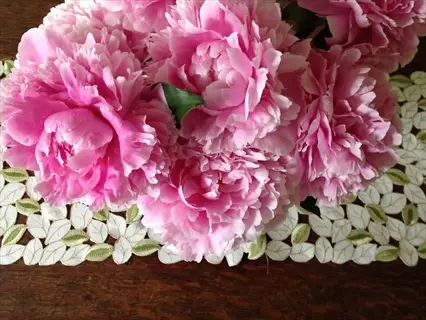
Sarah Bernhardt
- Type: Herbaceous double peony that produces large, fully packed blooms in soft pastel pink with a sweet rose-like fragrance that fills the garden in late spring.
- Bloom Time: Flowers appear in mid to late season, often May through early June in USDA zones 6 and 7, extending the display after early varieties finish.
- Size: Grows 30 to 36 inches (76 to 91 centimeters) tall with sturdy stems that hold up better than many other double varieties in rain and wind.
- Best For: One of the most popular cut flower varieties worldwide, prized by florists for its long vase life of 7 to 10 days when cut at the marshmallow bud stage.
- Growing Tips: Prefers full sun and well-drained soil with a pH between 6.5 and 7.5, and benefits from peony ring supports to keep heavy blooms upright.
- History: Named after the famous French actress in the early 1900s, this cultivar has remained a best-seller for over a century due to its reliable performance.
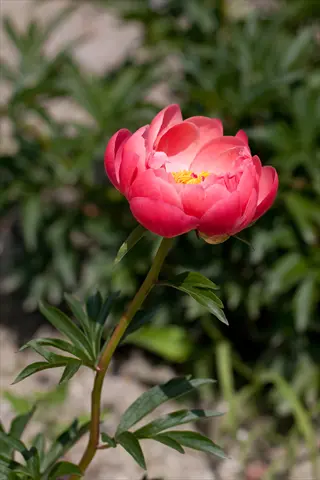
Coral Charm
- Type: Herbaceous semi-double peony famous for its unique color-shifting blooms that open deep coral and fade to soft peach and ivory as they mature.
- Bloom Time: An early to mid-season bloomer that often flowers in late April through May, giving gardeners color before most other peony varieties peak.
- Size: Reaches 30 to 36 inches (76 to 91 centimeters) tall with very strong stems that seldom need staking even when carrying multiple large blooms.
- Best For: Ideal for gardeners who want a conversation-starting flower, as the dramatic color transformation from coral to cream happens over just a few days.
- Growing Tips: Plant in full sun with at least 6 hours of direct light and space plants 3 feet (91 centimeters) apart to allow good air circulation around foliage.
- Awards: Received the American Peony Society Gold Medal, the highest honor given to a peony variety for outstanding garden performance and beauty.
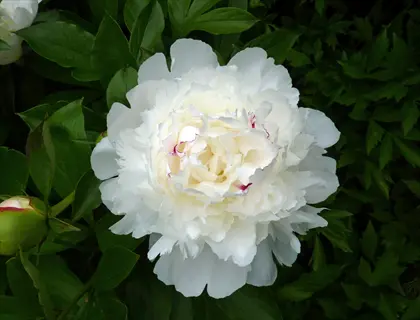
Festiva Maxima
- Type: Herbaceous double peony producing large white blooms with distinctive crimson flecks at the center, creating a striking and elegant two-tone appearance.
- Bloom Time: An early season bloomer that opens in late April to early May, making it one of the first herbaceous peonies to flower each spring.
- Size: Grows 28 to 36 inches (71 to 91 centimeters) tall with vigorous growth and strong stems that hold up well even in rainy spring weather conditions.
- Best For: A heritage variety dating back to 1851, perfect for cottage gardens and gardeners who appreciate classic heirloom plants with proven reliability.
- Growing Tips: Requires well-drained soil and a minimum of 6 weeks of winter chill below 40°F (4°C) to set flower buds properly.
- Fragrance: Offers a strong, sweet, classic peony scent that makes it one of the most fragrant white varieties available for both gardens and cut arrangements.
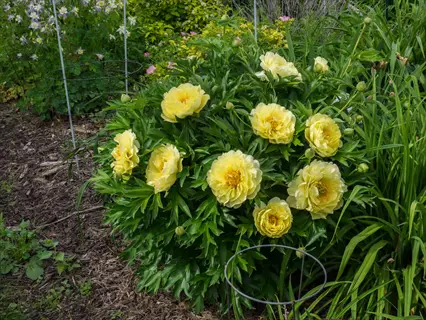
Bartzella
- Type: Intersectional (Itoh) hybrid peony that combines the best traits of herbaceous and tree peonies, producing large lemon-yellow semi-double to double blooms.
- Bloom Time: Flowers in mid to late season with an extended bloom period of up to four weeks, much longer than most herbaceous peony varieties.
- Size: Reaches 24 to 30 inches (61 to 76 centimeters) tall with a mounded, bushy habit that stays attractive even after the blooming period ends.
- Best For: Gardeners seeking yellow peonies, as true yellow is rare in herbaceous types and Bartzella delivers reliable golden blooms year after year.
- Growing Tips: Thrives in zones 4 through 8 and tolerates partial shade better than most peonies, though full sun produces the most abundant flower display.
- Awards: Winner of the American Peony Society Gold Medal and widely considered the gold standard among Itoh hybrids for home garden performance.
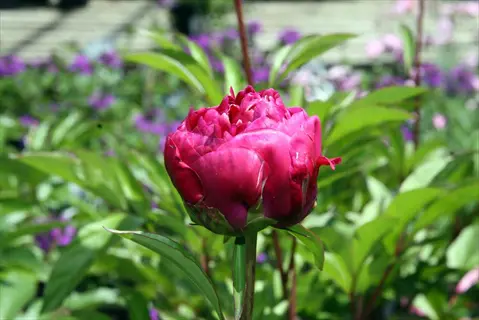
Karl Rosenfield
- Type: Herbaceous double peony with rich, deep crimson-red flowers that make a bold statement in any garden border or mixed perennial planting arrangement.
- Bloom Time: A mid-season bloomer flowering in May through early June, arriving after early varieties and overlapping with the peak of the peony season.
- Size: Grows 28 to 34 inches (71 to 86 centimeters) tall with sturdy stems, though the heavy double blooms may benefit from ring supports in exposed locations.
- Best For: One of the most widely available red peonies and a top choice for gardeners who want dependable deep red color without fading or washing out.
- Growing Tips: Space plants 3 to 4 feet (91 to 122 centimeters) apart in full sun and amend soil with compost at planting to support vigorous root development.
- Versatility: Works great as a cut flower with strong stems and long vase life, and the dark red petals contrast well with white and pink companion peonies.
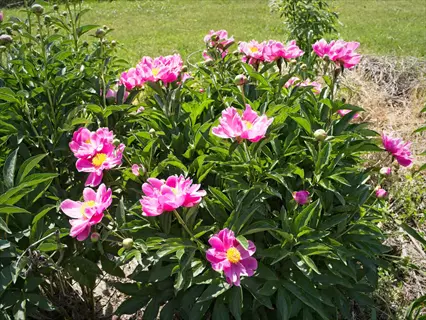
Bowl of Beauty
- Type: Herbaceous Japanese-form peony featuring broad pink guard petals surrounding a dense center of creamy white petalodes, creating a striking bowl-shaped bloom.
- Bloom Time: Flowers in mid-season during May, producing abundant blooms each year that attract pollinators and beneficial insects to the garden.
- Size: Reaches 28 to 34 inches (71 to 86 centimeters) tall with a spreading habit and strong stems that hold the distinctive flower form at an ideal viewing angle.
- Best For: Gardeners who prefer the more open, elegant look of Japanese-form peonies over the heavy rounded shape of traditional double varieties.
- Growing Tips: Prefers morning sun with some afternoon protection in hotter zones to prevent bloom colors from bleaching, and needs minimal staking due to lighter flowers.
- Pollinator Value: The open center exposes pollen-rich structures that attract bees and beneficial wasps, including Tiphia vernalis which helps control Japanese beetle grubs.
Pink Hawaiian Coral
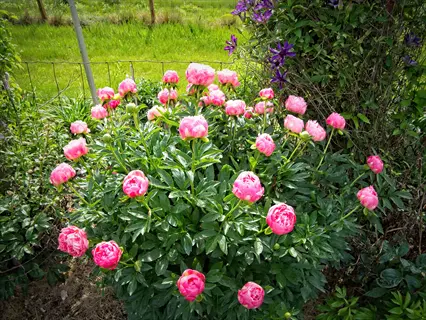
- Type: Herbaceous semi-double peony that opens with vibrant coral-pink blooms and then softens to a warm peachy tone as the flowers mature over several days.
- Bloom Time: An early season variety that begins flowering in late April, providing color when most other peony plants are still forming their buds.
- Size: Grows 32 to 38 inches (81 to 97 centimeters) tall with very strong, thick stems that seldom require any staking support even in windy gardens.
- Best For: Excellent for cut flower production due to its long stems, strong structure, and the appealing coral color that pairs well with nearly any floral arrangement.
- Growing Tips: Plant in full sun with well-drained soil and apply a balanced fertilizer low in nitrogen in early spring to promote flower production over leaf growth.
- Fragrance: Carries a light, pleasant scent that is less intense than double varieties, making it a good choice for indoor arrangements where strong fragrance may overwhelm.
Duchesse de Nemours
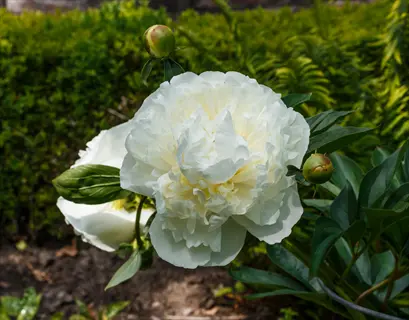
- Type: Herbaceous double peony producing pure white blooms with a faint yellow glow at the center, considered one of the finest white garden peonies ever developed.
- Bloom Time: Flowers in early to mid-season during late April through May, blooming shortly after early varieties and bridging the gap to mid-season cultivars.
- Size: Reaches 28 to 34 inches (71 to 86 centimeters) tall with an upright, well-structured habit that holds its shape throughout the growing season.
- Best For: Wedding flower arrangements and formal garden plantings where pure white blooms are desired, and it pairs well with deep red varieties in borders.
- Growing Tips: Requires full sun and soil with good drainage to prevent root rot, and benefits from an annual application of compost or aged manure in early spring.
- Heritage: Bred in France in 1856, this time-tested cultivar has proven its reliability over more than 160 years and remains a staple of European peony gardens.
Symbolism and Cultural History
Your peony garden connects you to a flower with over 2,000 years of peony cultural history behind it. I first learned about peony symbolism meaning from a friend in China. She told me peonies hold the same weight there as roses do here. That fact changed how I look at every bloom in my yard.
The peony mythology stretches from ancient Chinese peony gardens to Greek temples. In China, the tree peony earned the title King of Flowers and stood for wealth. The genus name Paeonia comes from Paeon, a healer in Greek myth who Zeus turned into a flower. You might not know that Paeonia lactiflora is one of 21 species with medicinal uses. Those uses cross Chinese, Japanese, and European healing.
Chinese Imperial Heritage
- Origin: Peonies have been part of Chinese gardens for over 2,000 years, where they earned the title 'King of Flowers' and stood for wealth, honor, and high social status.
- Imperial Gardens: Chinese emperors featured peonies in palace gardens, and the tree peony became a beloved subject in imperial paintings and poetry across many dynasties.
- Modern Status: The peony remains an unofficial national flower of China and still appears on currency, stamps, and traditional wedding decorations across the country.
Greek Mythology and Naming
- Origin Story: The genus name Paeonia comes from Paeon, a student of Asclepius the god of medicine, who Zeus transformed into a flower to save him from his jealous teacher.
- Medicinal Roots: Ancient Greek physicians used peony roots to treat ailments, starting a bond between the flower and healing that still lives across cultures today.
- Botanical Legacy: The mythological origin shaped modern naming, with Carl Linnaeus establishing the genus Paeonia in 1753 using the Greek name as its base.
Victorian Flower Language
- Romance and Marriage: In Victorian England, peonies stood for a happy marriage, wealth, and good fortune, making them popular gifts for newlyweds and anniversary events.
- Color Meanings: Pink peonies conveyed romance and affection, white peonies signaled bashfulness or apology, and red peonies expressed deep passion and respect in formal bouquets.
- Lasting Tradition: The peony remains the traditional flower for the 12th wedding anniversary, keeping a Victorian custom that connects these blooms to lasting commitment.
Medicinal and Scientific Value
- Recognition: Moutan cortex from tree peony bark entered the European Pharmacopoeia Supplement 9.4 in 2018, joining listings in Chinese, Japanese, and Korean pharmacopoeias.
- Chemical Richness: Researchers have found 451 chemical compounds across the genus Paeonia, including paeonol and paeoniflorin, with proven anti-swelling and antioxidant effects.
- Modern Medicine: Total Glucosides of Peony was approved as a drug for rheumatoid arthritis in China in 1998, showing that ancient medicinal uses hold up under modern testing.
When you plant a peony, you join a tradition that bridges art, medicine, and myth across many cultures. In my experience, knowing this history makes each spring bloom feel more special than the last.
Planting and Growing Peonies
Knowing how to plant peonies the right way makes all the gap between blooms and bare stems. I killed my first bare root peonies by burying them too deep, and they sat for 2 years without a single flower. The right peony planting depth is the most important detail you need to get right on day one.
When to plant peonies matters almost as much as where you put them. Fall planting peonies gives your roots 6 weeks of growth before the ground freezes. Growing peonies starts with good soil, full sun, and a bit of patience since most plants won't bloom at full power until their second or third year in the ground.
Choose the Right Location
- Sunlight: Select a spot that gets at least 6 to 8 hours of direct sunlight each day, as low light is one of the top reasons peonies fail to produce blooms.
- Soil Drainage: Make sure your planting area has well-drained soil because peonies are prone to root rot when sitting in waterlogged conditions for too long.
- Air Flow: Position your plants where air can move around the leaves to reduce the risk of fungal diseases like botrytis blight and powdery mildew.
Prepare the Soil Properly
- Soil pH: Test your soil and aim for a pH between 6.5 and 7.5. Add garden lime if your soil is too acidic or sulfur if it runs too alkaline.
- Organic Matter: Work 2 to 4 inches of compost or aged manure into your planting area to improve soil structure and nutrient levels for strong root growth.
- Fertilizer: Mix a low nitrogen blend such as 5-10-10 into the bottom of your planting hole to push root growth without too much leaf production.
Plant at the Correct Depth
- Herbaceous Peonies: Position bare root tubers so the pink eyes sit only 1 to 2 inches below the soil surface. This is the single most critical step for bloom success.
- Tree Peonies: Plant grafted tree peonies with the graft union 4 to 6 inches below the soil surface to help the scion develop its own roots over time.
- Critical Warning: Planting herbaceous peonies too deep is the number one reason for bloom failure, so measure your depth and avoid burying eyes more than 2 inches deep.
Time Your Planting Right
- Best Season: Plant bare root peonies in fall, about 6 weeks before your first hard frost, so roots can settle in before the ground freezes for winter.
- Container Plants: Potted peonies from nurseries can go in the ground in early spring or fall, but fall planting still gives you the best first year root growth.
- Patience Required: New peonies often take 2 to 3 years to produce their first full bloom display, so avoid moving them during this time in your garden.
Your peonies also need at least 6 weeks of cold below 40°F (4°C) to set their buds for the next spring. If you live in zones 7 or 8, pick a spot with some afternoon shade to keep roots cool during hot summers.
Seasonal Care and Maintenance
Good peony care follows the seasons just like your plants do. I keep a simple calendar for my garden, and it saves me from missing the key tasks that keep blooms coming back strong each year. Staking peonies too late and fertilizing peonies at the wrong time are the two biggest mistakes I see new growers make.
Your peonies need different attention in each part of the year. Watering peonies about 1 inch per week during dry spells keeps them healthy without overdoing it. Experts have listed 10 causes of bloom failure for peonies. Most of those come down to poor timing on basic tasks. Pruning peonies and deadheading peonies at the right moment keeps your plants on track.
The table below gives you a quick guide to what needs doing and when. I also want you to know that peony buds make a sweet nectar that draws in Tiphia vernalis wasps. Those wasps eat Japanese beetle grubs, so your peonies work as natural pest control in your garden too.
Fall is also your best window for dividing peonies that have gotten too large. Dig the clump after frost kills the stems, split it into sections with 3 to 5 eyes each, and replant them right away. In my experience, fall divisions settle in faster and bloom sooner than spring moves.
Cut Flowers and Floral Design
Cutting peonies at the right moment is the secret to a peony bouquet that lasts over a week in your home. I tested dozens of different timing methods and the marshmallow bud test beats them all. When you squeeze the bud and it feels like a soft marshmallow, your peony cut flowers are ready to harvest.
Knowing when to cut peonies also helps you plan for peony wedding flowers and events outside the bloom window. You can store buds in your fridge for up to 4 weeks and open them on demand. Alaska farmers use this same trick to ship about 300,000 blooms per year to markets in the US, Europe, and Asia at roughly $5 per stem.
When to Cut Peony Stems
- Bud Test: Cut peonies when the bud feels like a soft marshmallow and about half an inch of petal color shows through the outer green sepals.
- Time of Day: Harvest your stems in the early morning while temps are cool and the plant holds the most water for the longest vase life indoors.
- Stem Length: Cut stems at least 12 to 16 inches long, and leave at least two sets of leaves on the plant to fuel next year's blooms.
Extending Vase Life Indoors
- Water Temperature: Place fresh cut stems in cool, clean water right away and change the water every other day to stop bacteria from cutting your display time short.
- Location: Keep your peony bouquet away from direct sunlight, heating vents, and fruit bowls. Gas from ripe fruit causes petals to drop faster.
- Duration: A well timed peony cut can give you 7 to 10 days of peony vase life indoors, which beats most other spring flowers you can buy.
Storing Peonies for Later Use
- Fridge Method: Wrap dry, unopened buds in newspaper and store them in your fridge at 34°F to 38°F for up to 4 weeks until you need them.
- Reviving Stored Buds: When you're ready, recut stems at an angle and place them in warm water for 2 to 4 hours to coax the buds to open up.
- Event Planning: This storage method makes peony wedding flowers possible for events that fall outside the natural 4 to 6 week bloom window in your zone.
The Global Peony Trade
- Alaska Industry: Research at the University of Alaska Fairbanks launched a peony industry that now includes over 135 farmers producing about 300,000 blooms per year.
- Summer Supply: Alaska peonies bloom in July through September, filling a global market gap when peonies aren't available from other growing regions in the Northern Hemisphere.
- Price Point: Single peony stems sell for about $5 per bloom at retail, with premium varieties earning even higher prices during off season wedding months.
Companion Plants for Peonies
Choosing the right peony companion plants can turn a good garden into a great one. I spent years testing what to plant with peonies before I found the combos that work best for a peony mixed border that looks good from April through frost. The key is picking partners that fill gaps when your peonies go dormant or stop blooming.
Smart peony garden design pairs your plants by purpose rather than just by looks. Some companions extend your bloom window while others add height or cover bare soil at the base. Your peony landscape design also benefits when you pick partners that support the helpful wasps peonies draw in with their bud nectar.
Bearded Iris
- Bloom Timing: Flowers overlap with mid season peonies in May, creating a dual display of large, showy blooms in colors that play well off each other.
- Design Benefit: The tall, vertical sword shaped iris leaves provide a striking contrast to the rounded, bushy growth habit of your peony plants.
- Care Match: Both plants prefer full sun and well drained soil with similar pH needs, making them low effort companions in the same garden bed.
Baptisia (False Indigo)
- Bloom Timing: Baptisia flowers in late spring just as early peonies finish, helping extend your overall bloom season by several weeks in a peony mixed border.
- Design Benefit: The deep blue or purple spires of baptisia create a vivid color contrast behind or beside your pink and white peony blooms in mixed plantings.
- Care Match: A fellow long lived perennial that thrives in similar conditions and builds a strong taproot system, needing very little water once it settles in.
Hardy Geraniums (Cranesbill)
- Bloom Timing: Flowers from late spring through summer, giving you color at the base of your peony plants long after the peony blooms have finished for the year.
- Design Benefit: Low growing geraniums create a living mulch that covers bare soil around peony stems and hides the less attractive lower parts of peony leaves.
- Care Match: Handles the same growing conditions as peonies and requires very little work, making this combo simple for beginner gardeners to manage in their yard.
Allium (Ornamental Onion)
- Bloom Timing: Large globe shaped allium flowers appear in late spring and early summer, overlapping with your mid and late season peony varieties for a great show.
- Design Benefit: The tall, ball shaped flower heads floating above peony mounds on slender stems add a modern, sculptural element to traditional cottage garden plantings.
- Care Match: Allium bulbs go in the ground in fall alongside your peony roots. Both prefer full sun, well drained soil, and neither needs much summer watering.
In my experience, you get the best results when you plant at least 3 companion types around your peonies. That mix gives you blooms or green structure in your beds even in the dead of summer.
5 Common Myths
Peonies need ants to open their buds and will not bloom without ants crawling on them.
Ants are attracted to the sweet extrafloral nectar on peony buds but play no role in helping the flowers open.
Moving or transplanting peonies will always kill the plant because they hate being disturbed.
Peonies can be successfully divided and transplanted in fall, though they may take one to two seasons to rebloom fully.
Peonies only come in pink and white colors and there is very little variety to choose from.
Peonies are available in nearly every color except true blue, including red, coral, yellow, lavender, and deep burgundy.
Tree peonies are actual trees that grow very tall and require pruning like other large woody plants.
Tree peonies are deciduous shrubs reaching 3 to 7 feet (0.9 to 2.1 meters) tall and rarely need heavy pruning.
Peonies are purely ornamental flowers with no practical uses beyond looking beautiful in a garden.
Peonies have documented medicinal uses spanning over 2,000 years, with 451 compounds identified for pharmaceutical and cosmetic applications.
Conclusion
Growing peonies is one of the smartest moves you can make in your garden. These perennial flowers give you decades of blooms from a single planting when you get the basics of peony care right. With 52 species and 451 compounds found inside them, peonies flowers go far beyond just looking pretty in a vase.
I think of every peony in my yard as a long term investment rather than a single season purchase. The Alaska peony industry proves that point well. One research project in 2001 turned into a full farming industry worth millions. Over 135 growers now ship blooms around the world.
Your peonies can serve as garden stars, cut flower supplies, and even a link to over 2,000 years of cultural history. No other flower in my garden checks that many boxes at once. Give them good soil, full sun, and a bit of patience, and they will reward you for years to come.
Start with one or two varieties this fall and build your collection over time. You don't need a huge budget or a green thumb to grow peonies that make your neighbors stop and stare.
External Sources
Frequently Asked Questions
What do peonies symbolize?
Peonies symbolize prosperity, good fortune, romance, and honor across many cultures worldwide.
Do peonies grow in Germany?
Yes, peonies grow well in Germany due to its temperate climate and cold winters that meet chilling requirements.
Are peonies expensive flowers?
Peonies are moderately expensive due to their short bloom season and the years needed for plants to mature.
Why are peonies so special?
Peonies are special for their large fragrant blooms, century-long lifespan, and deep cultural significance.
What does the Bible say about peonies?
The Bible does not specifically mention peonies, though some scholars connect them to general flower references.
What is Germany's favorite flower?
Germany's favorite flower varies by region, but roses, cornflowers, and lilies are among the most popular.
What is Germany's national flower?
The cornflower (Centaurea cyanus) is widely recognized as Germany's national flower.
Which is cheaper, roses or peonies?
Roses are generally cheaper than peonies because roses are grown year-round while peonies bloom seasonally.
What flower is called the poor man's rose?
The peony is sometimes called the poor man's rose due to its rose-like appearance and easier cultivation.
What is the most expensive flower in the world?
The Juliet Rose, developed over 15 years by David Austin, is often cited as the most expensive flower ever created.