
Introduction
The japanese anemone has a name that tells the wrong story. In 1843, plant hunter Robert Fortune found one growing in a Shanghai graveyard. He shipped it to Europe through Japan. The plant picked up a Japanese label along the way and never lost it. Think of it like a passport mix up. This windflower was born in China's Hubei province but got stuck with Japanese roots on paper.
I started growing Anemone hupehensis about 8 years ago from a single potted gift. That one plant turned into a sprawling colony of white and pink blooms. It now fills a 12 foot stretch of my border. These flowers taught me two things fast. They produce stunning fall color, and they spread with a drive that catches new growers off guard.
This fall blooming perennial shines because of its timing. Most flowers fade by mid August. Japanese anemones start blooming just as the rest fades. The cultivar Honorine Jobert flowers for 5 to 8 weeks from late summer into early fall. It earned the Perennial Plant Association's Perennial of the Year in 2016. That long bloom window keeps your garden full of color when your neighbors' beds look bare.
This guide covers how to grow Japanese anemones well while keeping them in check. You will learn which 8 varieties suit your garden size best. You will find planting tips, seasonal care advice, and the best ways to stop underground runners from taking over. Whether you want a cottage garden of swaying blooms or a single pot on your patio, the answers are all here.
8 Best Japanese Anemone Varieties
Picking the best japanese anemone for your garden starts with knowing how much space you have. Some varieties stay compact in a 2 foot clump. Others send runners across a 6 foot spread in just a few seasons. In my experience growing 5 of these 8 types, spread rate matters more than flower color when you make your choice.
The japanese anemone varieties below split into two groups. White japanese anemone types like Honorine Jobert and Wild Swan give you clean, bright blooms for moon gardens and shady borders. Pink japanese anemone picks like Pamina and September Charm add warm tones to fall borders. Seven of these cultivars hold the RHS Award of Garden Merit. That stamp tells you they perform well in real gardens.
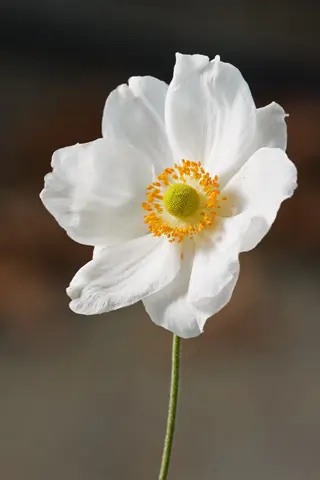
Honorine Jobert
- Flower Color: Pure white single blooms with 6 to 9 brilliant white tepals surrounding a vivid green center that ages to golden yellow as pollen matures.
- Height and Spread: Reaches 3 to 4 feet (90 to 120 centimeters) tall in bloom with basal foliage at 12 to 18 inches (30 to 46 centimeters), spreading 4 to 6 feet (120 to 180 centimeters) wide over time.
- Awards: Won Perennial Plant Association Perennial of the Year in 2016, received RHS Award of Garden Merit in 1993, and earned a 4 out of 5 star rating from the Chicago Botanic Garden.
- Bloom Period: Flowers for 5 to 8 weeks from late August through October, providing reliable white blooms when most other perennials have finished for the season.
- Growth Habit: Spreads via low creeping black rhizomes and is best suited to larger landscapes where it has room to form elegant naturalized colonies.
- Best For: Cottage gardens, woodland borders, and moon gardens where the white flowers glow bright in evening light and attract late-season pollinators.
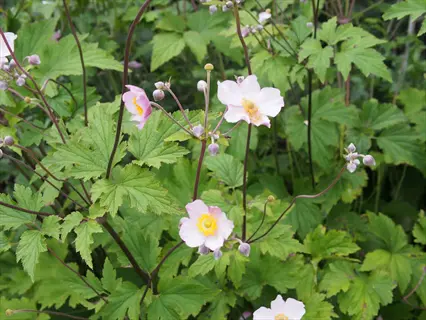
September Charm
- Flower Color: Soft silvery-pink single flowers with a delicate rose blush on the reverse side of each tepal and a prominent ring of golden stamens at the center.
- Height and Spread: Grows 3 to 4 feet (90 to 120 centimeters) tall on sturdy upright stems with a spread of 3 to 4 feet (90 to 120 centimeters) once established in the garden.
- Bloom Period: Reliable bloomer from early September through mid-October, producing flowers a bit later than most other cultivars which extends the overall display season.
- Growth Habit: Vigorous spreading tendency through underground rhizomes makes this cultivar well suited to large borders where it can fill space and naturalize without limits.
- Hardiness: Performs well across USDA Zones 4 through 8, with excellent cold tolerance that makes it a reliable choice for gardens in northern climates with harsh winters.
- Best For: Large perennial borders, naturalized woodland edges, and mixed plantings where its tall graceful stems add vertical structure and soft autumn color.
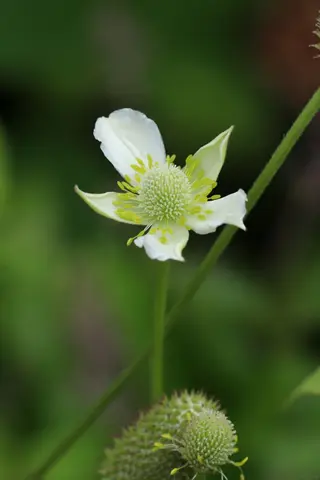
Wild Swan
- Flower Color: Striking white flowers with a distinctive blue-violet reverse on each tepal, creating a two-tone effect when the blooms sway open and closed in the breeze.
- Height and Spread: Compact grower reaching 18 to 24 inches (46 to 60 centimeters) tall with a tidy spread of about 18 inches (46 centimeters) making it suited for smaller garden spaces.
- Awards: Won the prestigious Chelsea Flower Show New Plant of the Year award in 2011, making it one of the most celebrated modern Japanese anemone introductions available to gardeners.
- Bloom Period: Extended bloom season from June through October, flowering much earlier and longer than traditional Japanese anemone cultivars that only bloom in late summer and fall.
- Growth Habit: Forms neat clumps rather than spreading fast, making it one of the best-behaved Japanese anemone cultivars for controlled garden settings and borders.
- Best For: Small gardens, container growing, front of border positions, and any space where the gardener wants Japanese anemone beauty without the aggressive spreading behavior.
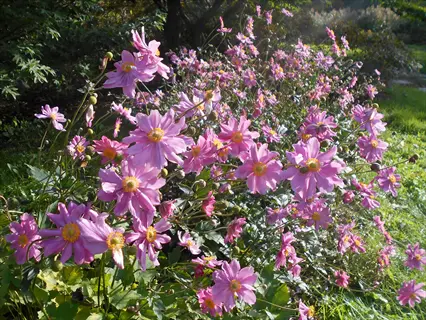
Pamina
- Flower Color: Deep rose-pink semi-double flowers with layered rows of rounded tepals creating a fuller, more ruffled appearance than single-flowered Japanese anemone cultivars.
- Height and Spread: Reaches 2 to 3 feet (60 to 90 centimeters) tall on strong stems that seldom need staking, with a moderate spread of 2 to 3 feet (60 to 90 centimeters) over several seasons.
- Bloom Period: Flowers from late August through early October with an abundance of blooms held in loose clusters above the dark green foliage mound for continuous color display.
- Growth Habit: Moderate spreading through rhizomes but less aggressive than Honorine Jobert, making it a manageable choice for medium-sized gardens with regular maintenance attention.
- Hardiness: Reliable across USDA Zones 4 through 8 with good frost tolerance and a strong constitution that allows it to establish fast in well-prepared soil conditions.
- Best For: Mixed perennial borders, cottage gardens, and gardeners who want the romantic look of semi-double flowers with a more controlled growth pattern than single varieties.
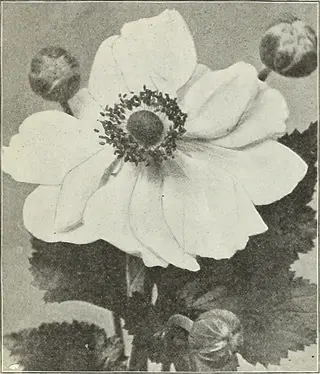
Whirlwind
- Flower Color: Pure white semi-double flowers with loose twisted and ruffled tepals that give each bloom a distinctive windswept look unlike any other Japanese anemone cultivar.
- Height and Spread: Grows 3 to 4 feet (90 to 120 centimeters) tall on strong wiry stems with a spread of 3 to 5 feet (90 to 150 centimeters) as it matures in the garden.
- History: Introduced in the late 1800s, Whirlwind is one of the oldest Japanese anemone cultivars still in wide cultivation, proving its reliability through over a century of garden performance.
- Bloom Period: Flowers from September through October with dense clusters of blooms that create an impressive display when planted in groups of three or more plants together.
- Growth Habit: Strong spreading tendency through rhizomes once established in the garden, requiring root barriers or physical containment in smaller planting areas to prevent unwanted expansion.
- Best For: Large cottage garden borders, naturalized woodland plantings, and heritage garden designs where its historical credentials and vigorous constitution are appreciated by collectors.
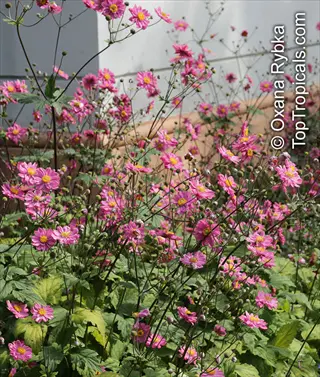
Prinz Heinrich
- Flower Color: Rich deep pink semi-double flowers with narrow overlapping tepals that create a neat rosette shape on each bloom head throughout the flowering season.
- Height and Spread: Reaches 2.5 to 3 feet (75 to 90 centimeters) tall with a manageable spread of about 2 feet (60 centimeters) that remains more contained than many other vigorous cultivars.
- Bloom Period: Flowers from late August through September with one of the earliest bloom times among Japanese anemone cultivars, beginning several weeks before most other fall-blooming types.
- Growth Habit: Moderate spreader that expands at a slow pace rather than in bursts, making it a good choice for gardeners who want a pink Japanese anemone without constant rhizome management.
- Hardiness: Performs well in USDA Zones 4 through 8 and has excellent cold hardiness that allows it to thrive even in northern gardens with extended winter freezing periods.
- Best For: Mid-border plantings, mixed perennial schemes, and gardens where a compact deep pink Japanese anemone is needed to add rich autumn color without overwhelming nearby plants.
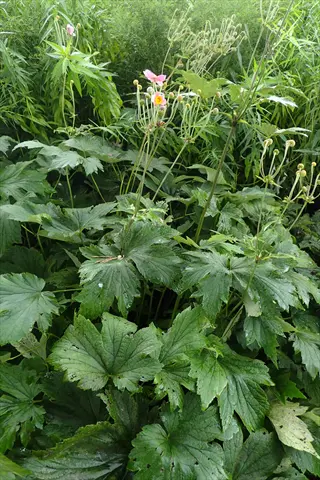
Robustissima
- Flower Color: Soft mauve-pink single flowers with a subtle silvery sheen on sturdy branching stems that hold blooms well above the foliage for a graceful, airy display effect.
- Height and Spread: One of the tallest cultivars at 3 to 5 feet (90 to 150 centimeters) tall with a vigorous spread of 4 to 6 feet (120 to 180 centimeters) when growing conditions are favorable.
- Hardiness: The toughest Japanese anemone cultivar available, tolerating temperatures down to USDA Zone 3 and thriving in challenging conditions that would stress more delicate varieties.
- Bloom Period: Earliest bloomer among Japanese anemone cultivars, starting in mid-August and continuing through September to provide fall color weeks before other varieties begin flowering.
- Growth Habit: Very vigorous spreading through underground rhizomes, which makes it excellent for large naturalized areas but a problem in small or close planted garden beds.
- Best For: Large landscapes, meadow plantings, difficult sites with poor soil or harsh winters, and areas where a tough ground-covering perennial is needed to fill space fast and well.

Pretty Lady Diana
- Flower Color: Soft pink single flowers with rounded overlapping tepals and a cheerful golden center, produced in abundance on compact well-branched stems throughout the bloom season.
- Height and Spread: Stays compact at just 16 to 20 inches (40 to 50 centimeters) tall with a tidy spread of 12 to 16 inches (30 to 40 centimeters), making it the smallest common cultivar.
- Container Suitability: One of the best Japanese anemone cultivars for growing in pots and containers due to its compact size, manageable root system, and restrained spreading habit.
- Bloom Period: Flowers from August through October with a long blooming window that provides continuous color in containers, small borders, and front-of-border plantings for several months.
- Growth Habit: Clump-forming rather than fast spreading, this cultivar stays where you plant it and does not send runners through neighboring plants in the garden border.
- Best For: Containers, small gardens, patio plantings, front of borders, and any location where space is limited and a controlled, compact Japanese anemone is the ideal garden solution.
Your best pick depends on your garden's size and how much work you want to put into spread control. For small spaces or pots, go with Wild Swan or Pretty Lady Diana. For large borders where you want a sea of flowers, Honorine Jobert or Robustissima will fill the space fast with little help from you.
Planting Japanese Anemones
Planting japanese anemone the right way saves you a full year of waiting for your first blooms. These plants sulk when you move them, and a bad start means no flowers until the second or third season. In my experience, the trick is giving them the right spot and soil from day one so you don't waste time watching bare stems all summer.
When you decide where to plant japanese anemones, look for partial shade with morning sun and afternoon cover. Your plants will grow best in USDA Zones 4a through 8b. A spot under a tree canopy or on the east side of your house works well. You can try full sun in cooler zones, but you must keep your soil moist all season long or your plants will struggle.
Dig your hole twice as wide as the nursery pot but no deeper. Mix 2 to 3 inches of compost or aged bark with your native soil to boost the organic matter and help your drainage. Japanese anemones need well-drained soil with a pH between 5.8 and 6.2. Space your plants 24 to 36 inches apart. Set each one at the same depth it sat in its nursery pot and water it in.
Your planting window depends on your zone. If you garden in Zones 4 or 5, plant in spring after your last frost so roots can settle before winter. In Zones 6 through 8, you can plant in autumn or spring with good results. Fall planting gives your plants a head start before the growing season. The RHS backs this up and recommends autumn or spring planting for the best start.
Don't panic when your new plants look sad for the first few weeks after you put them in the ground. They need time to push new fibrous roots into the soil. Water your transplants about 1 inch per week through the first growing season. Add a 2 to 3 inch mulch layer to keep your soil cool and moist. Skip fertilizer until the second spring so you build strong roots before you push leaf growth.
Japanese Anemone Care Guide
Japanese anemone care gets easier each year as your plants settle in and build strong roots. The first 2 seasons demand the most from you with watering japanese anemones and mulching to keep the soil cool. After that, these plants need little fuss. NC State Extension notes they are deer resistant, rabbit resistant, and salt tolerant, so pests and wildlife won't give you much trouble.
I tested many care plans over the years. Feeding japanese anemones is a once a year task. Pruning and maintenance need just a few minutes per month. Deadheading keeps blooms coming for weeks. The care calendar below breaks down your tasks by season. Your zone matters here too. Gardeners in Zones 4 and 5 need more winter protection than those in Zones 7 and 8 where the ground stays warmer.
Spring Care Tasks
- Remove Winter Mulch: Pull back your protective winter mulch in early spring as new shoots emerge. Leave a thin layer to hold soil moisture and stop early weeds around the base.
- Feed Plants: Apply a balanced slow release fertilizer or top dress with 2 to 3 inches of well rotted compost around each plant to fuel the growing season ahead.
- Divide Overcrowded Clumps: Spring is the best time to divide clumps that have outgrown their space. Dig around the outer edges and replant divisions at the same depth right away.
- Check for New Growth: Watch for new shoots and clear any leaf debris that may smother them. Be careful not to damage the roots near the soil surface.
Summer Care Tasks
- Water Consistently: Give your plants about 1 inch of water per week during dry spells. Plants in their first 2 seasons need this most since their roots haven't gone deep yet.
- Apply Summer Mulch: Keep a 2 to 3 inch layer of bark chips or shredded leaves around the base. This keeps your soil cool and moist through the hottest months.
- Monitor for Pests: Check your leaves for slug damage, flea beetles, and powdery mildew. Treat early with organic options like neem oil for fungal issues if you spot them.
- Stake Tall Varieties: Put grow through support rings around tall types like Robustissima and Honorine Jobert before stems reach full height to stop wind damage.
Fall Care Tasks
- Deadhead Spent Flowers: Clip faded flower heads to keep the display tidy and push more blooms. Leave some seed heads for birds and winter interest in your garden.
- Cut Back After Frost: Once hard frost turns the foliage black, cut stems to 4 to 6 inches above ground. The RHS recommends leaving some standing stems for insect habitat over winter.
- Manage Spreading: Fall is a great time to dig out unwanted runners at the edges of your clumps before the ground freezes solid for the season.
- Begin Winter Mulching: In USDA Zones 4 through 6, apply a 4 to 6 inch layer of straw or shredded leaf mulch after the ground starts to freeze.
Winter Care Tasks
- Protect Crowns in Cold Zones: In Zones 4 and 5, make sure a thick mulch layer stays in place all winter. This stops freeze thaw cycles from pushing your plants out of the ground.
- Shelter Container Plants: Move your potted Japanese anemones to a garage or against a house wall where temps stay above 20 degrees Fahrenheit.
- Plan Spring Divisions: Use winter to plan which clumps need dividing or moving in spring. Mark spots where your plants have spread past their borders.
- Avoid Winter Watering: Your plants are dormant now and wet soil around frozen roots leads to rot. Make sure your planting areas drain well and skip all watering.
Controlling Anemone Spread
Controlling japanese anemones is the number one concern I hear from new growers. These plants spread through underground runners that creep just below the soil surface. The wiry black rhizomes travel fast in loose, rich soil and slow down in heavy clay. Susan Mahr at Wisconsin Extension says these plants work best in larger landscapes where they have room to roam.
Japanese anemone spreading gets worse in soil you have loaded with compost and organic matter. The soft ground lets those roots move with almost no resistance. The plant is tracked on invasive.org and counts as a japanese anemone invasive weed in Hawaii. That said, you can manage them well with the right containment methods. A root barrier or smart site choice makes all the gap between a garden asset and a garden takeover.
I use a mix of all 4 methods below in my own borders. The best approach depends on your garden size and how much time you want to spend on control. Compact types like Wild Swan and Pretty Lady Diana need almost no spread management at all. Big growers like Robustissima need you to contain them from day one.
Physical Root Barriers
- How It Works: Install rigid plastic or metal root barrier material around your planting area. Bury it at least 12 inches deep to block the creeping rhizomes from getting out.
- Materials Needed: Use commercial root barrier rolls made from dense plastic, or cut the bottom out of large pots and sink them into the ground around each planting group.
- Installation Tips: Dig a trench around the growing area and insert the barrier so the top edge sits 1 inch above soil level. This stops rhizomes from creeping over the top.
- Effectiveness Rating: This is the most reliable long term containment method for vigorous cultivars like Honorine Jobert that spread fast in loose, rich soils.
Container Planting Strategy
- How It Works: Grow your Japanese anemones in large containers of at least 14 inches wide. The pot walls stop all rhizome spread while your plant thrives and flowers as normal.
- Container Needs: Use pots with drainage holes and a mix of loam based compost with perlite. Keep the soil moist but never let it sit in standing water.
- Upkeep Routine: Repot or divide your container plants every 2 to 3 years in spring. Refresh the potting mix and remove extra rhizome growth at the same time.
- Best Cultivars for Pots: Choose compact types like Pretty Lady Diana or Wild Swan that form tidy clumps rather than aggressive spreaders that will outgrow any container.
Regular Rhizome Pruning
- How It Works: Twice per year in spring and fall, use a sharp spade to slice into the soil around each clump. Cut through and remove any runners growing past your border.
- Technique Details: Push the spade blade straight down about 8 inches into the soil along the edge. Pry out and toss the cut rhizome sections growing past the line.
- Timing Matters: Spring pruning catches new growth before it takes hold. Fall pruning cleans up the season's spread and stops runners from rooting over winter.
- Effort Level: This method takes ongoing work but suits gardeners who like hands on care and want to keep their plants within a set border without barriers.
Strategic Site Selection
- How It Works: Plant your Japanese anemones where paths, walls, or dense tree root zones act as barriers and limit the spread on their own.
- Soil Factor: Skip loose, sandy, or heavy compost soil where rhizomes travel fastest. Heavier clay based soils slow the rate of spread and cut your maintenance needs.
- Companion Strategy: Surround your anemones with strong deep rooted plants like ornamental grasses and hostas that compete for space and slow the runners at borders.
- Long Term Planning: Place plants where their eventual 4 to 6 foot spread will fill space you want covered rather than invade beds you want to keep clean.
Companion Plants and Design
The best japanese anemone companion plants share the same love of moist soil and partial shade. When you know what to plant with japanese anemones, you can build a border that blooms from spring through late fall. I've spent years testing fall garden combinations in my own beds, and the pairings below give you the most color with the least fuss.
In a cottage garden or woodland garden, your border planting works best with 3 layers of height. Put low growers like ferns and hostas at the front. Set your anemones in the mid section with ornamental grasses. Place tall asters and goldenrod at the back. This setup gives each plant enough light and creates a full, layered look that draws the eye from front to back.
These pairings also help your local bees and bugs. Japanese anemones hold the RHS Plants for Pollinators tag. They give bees pollen when few other flowers do. Add asters and goldenrod to the mix and you build a feeding station for bugs into October.
One tip from my years of testing: avoid planting plants with short roots right next to your anemones. The underground runners will push through their root zone and crowd them out fast. Stick with deep rooted ornamental grasses and sturdy hostas that can hold their ground against the spread.
Propagating Japanese Anemones
Propagating japanese anemone lets you grow free plants from the ones in your garden. Division is the fastest method and works well for most gardeners. Root cuttings take more skill but let you make many new plants from a single clump. Growing from seed is the hardest path and only works with true species, not hybrid types.
I've used all 3 methods over the past 6 years. Dividing japanese anemones in spring gave me the best results each time. The table below shows you when to divide anemones and how each method stacks up. Hybrids like Anemone x hybrida make little fertile pollen. That means root cuttings and division work best to keep a variety true.
For division, dig up outer sections of a clump in spring before new growth gets tall. Use a sharp spade to cut through the roots and replant each piece at the same depth it was growing. Water each new plant well. Root cuttings work best in late winter. Snip 3 to 4 inch pieces of thick root, lay them flat in trays of moist compost, and cover with a thin layer of grit. New shoots pop up in 6 to 8 weeks.
Growing from seed only works with species like Anemone hupehensis. The RHS notes that seed raised plants take several years to flower. Sow fresh seeds in fall and leave the trays outside over winter. The cold period helps break seed sleep. This is a slow method, but it rewards patient gardeners with strong plants that are well suited to their local soil and climate.
5 Common Myths
Japanese anemones are native to Japan and were first discovered growing wild there by European explorers.
They are native to China's Hubei province. Robert Fortune collected a specimen from a Shanghai graveyard in 1843 and the plant was misidentified as Japanese.
Once Japanese anemones start spreading through your garden, they are completely impossible to remove or control.
While they spread aggressively via rhizomes, root barriers buried 12 inches (30 centimeters) deep, regular rhizome pruning, and container planting effectively control their growth.
Japanese anemones need full direct sunlight all day long to produce abundant flowers and grow healthy foliage.
They actually prefer partial shade with morning sun and afternoon shelter. Full sun is only tolerable in cooler northern climates with consistently moist soil.
Japanese anemone flowers attract pollinators mainly because they produce large amounts of sweet nectar throughout their bloom period.
Their flowers actually produce no nectar at all. Bees and hoverflies visit Japanese anemones exclusively for their abundant pollen, using buzzing vibrations to release it.
All Japanese anemone varieties grow to the same height and spread at the same rate in every garden condition.
Varieties range from compact 20 inch (50 centimeter) cultivars like Pretty Lady Diana to tall 5 foot (150 centimeter) types, and spreading rate depends on soil type and drainage.
Conclusion
Japanese anemone is one of the best fall blooming perennial choices you can make for your garden. These plants bloom for 5 to 8 weeks in late summer and early fall when most other flowers have called it quits. That gap in your garden calendar is hard to fill, and few plants do the job as well as these do.
Your approach comes down to garden size. If you have a large cottage garden or open border, let your anemones spread and form a sea of swaying blooms. Pick types like Honorine Jobert or Robustissima and give them room to run. If your space is small, go with compact types like Wild Swan or Pretty Lady Diana. Use root barriers or pots to keep them in check without giving up the beauty.
I tested every method in this guide over years of trial and error in my own beds. The plants that got the right start with good soil, partial shade, and steady water rewarded me with blooms every fall without fail. These deer resistant, low fuss pollinator plants give bees and bugs food when they need it most. Seven types hold the RHS Award of Garden Merit, so you know you're picking proven winners.
Start with one plant this spring and see how it does in your garden. Give it a year to settle in and build strong roots. By the second season you will have a clump of flowers that lights up your fall garden and makes the wait more than worth it.
External Sources
Frequently Asked Questions
How invasive is Japanese anemone?
Japanese anemones spread aggressively through underground rhizomes once established, especially in loose organic soil, and are classified as an invasive weed in Hawaii.
Do Japanese anemones like sun or shade?
Japanese anemones prefer partial shade with morning sun, though they tolerate full sun in cooler climates if soil stays consistently moist.
Is Japanese anemone toxic to humans?
Japanese anemones contain protoanemonin, an irritant compound that causes contact dermatitis and can irritate mucous membranes if ingested.
How do you take care of Japanese anemones in the winter?
Apply a thick layer of mulch around the base in late fall to protect roots from freezing, especially in Zones 4 and 5.
Why shouldn't you touch anemones?
Anemone sap contains protoanemonin, which causes skin irritation, redness, and blistering on contact in sensitive individuals.
What kills Japanese anemones?
Waterlogged soil, severe root rot, prolonged drought, and repeated removal of all above-ground growth can kill Japanese anemones.
Are Japanese anemones poisonous to dogs?
Japanese anemones are toxic to dogs because they contain protoanemonin, which causes drooling, vomiting, and oral irritation if chewed or ingested.
How tall do Japanese anemones get?
Japanese anemone flower stems reach 2 to 4 feet (60 to 120 centimeters) tall, while the basal foliage mound stays 12 to 18 inches (30 to 46 centimeters) high.
Do anemones multiply each year?
Japanese anemones multiply each year by sending out underground rhizomes that produce new plants, gradually forming expanding colonies.
Do Japanese anemones grow well in pots?
Japanese anemones grow well in large pots of at least 14 inches (36 centimeters) diameter with good drainage and consistent watering.