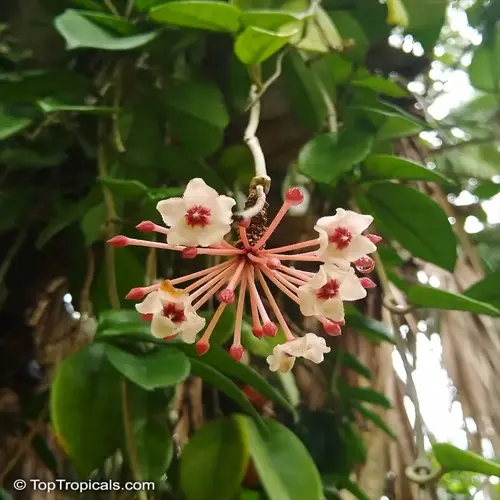

A hoya indoor plant is one of the easiest houseplants you can bring home. It handles dry air, low humidity, and missed watering days without a fuss. If you forget to water for a week or two, your hoya won't hold it against you. I've kept hoyas alive through long vacations and dark winters, and they bounce back faster than any other plant on my shelf.
The hoya houseplant earns its spot as a top pick because of how it grows in the wild. Hoyas are epiphytes, meaning they cling to tree trunks and branches in tropical forests. Their roots don't need deep soil to stay happy. Their thick, waxy leaves store water and resist the dry air from your heaters and air conditioners. This built-in toughness makes them a perfect fit for your indoor spaces.
I've grown hoyas in my bedroom, kitchen, and home office over the past few years. My bedroom gets soft morning light from an east-facing window, and the Hoya carnosa there has pushed out three new vines in a single summer. The kitchen hoya sits near a north-facing window and grows slower, but it still looks healthy and green. My office Hoya pubicalyx does great under basic overhead lights. Each room offers something different, yet every hoya I've placed has found a way to grow well.
Hoyas do well indoors because of how their bodies work. Waxy leaves lock in moisture, so your plant won't wilt in the 40% to 60% humidity that ISU Extension says most homes hold. Their epiphytic roots love airy soil mixes over heavy garden dirt. They grew under dense tropical canopies in the wild, so filtered indoor light suits them fine. You don't need a greenhouse or fancy gear to keep a hoya indoor plant happy.
If you have pets, you'll love this part. NC State Extension confirms that hoyas are non-toxic to dogs, cats, and horses. You won't need to worry if your cat bats at a dangling vine or your dog sniffs a fallen leaf. That safety edge puts hoyas ahead of many popular plants that pose real risks to your furry family members.
Hoya Carnosa for Beginners
- Growth style: Long trailing vines that look stunning in a hanging basket or draped along a shelf edge.
- Light needs: Handles everything from bright indirect light to moderate shade without losing its deep green color.
- Why it works: Forgiving of missed waterings and temperature swings, making it the best starter hoya for new plant parents.
Hoya Pubicalyx for Low Light
- Growth speed: One of the faster-growing species that can push out several feet of vine per growing season.
- Light tolerance: Performs well in rooms with only north-facing windows or limited natural light sources.
- Bonus feature: Produces clusters of fragrant pink flowers when it gets enough indirect light during spring and summer.
Hoya Kerrii for Small Spaces
- Size advantage: Compact growth habit that stays manageable on a desk, nightstand, or narrow windowsill.
- Leaf shape: Heart-shaped leaves give this plant a decorative appeal that works well as a conversation starter.
- Care level: Grows slow and steady with minimal fuss, needing water only every two to three weeks in most conditions.
Pick the right species for your space and you'll have a plant that asks for almost nothing in return. Give your hoya bright filtered light, let the soil dry between waterings, and keep your room between 65°F and 80°F (18°C and 27°C). That's the whole routine. You don't need a green thumb to pull this off.
Hoyas rank among the best indoor plants for good reason. They tolerate neglect and look beautiful all year long. Patient owners get clusters of fragrant star-shaped flowers as a bonus. Whether you're a first-time plant owner or a collector with dozens of pots, a hoya deserves a spot in your home.
Read the full article: Hoya Plant Care and Growing Guide