
Introduction
Nothing beats walking into your garden on a warm June morning and picking the first ripe strawberry of the season. That single berry, still warm from the sun, tastes better than anything from a store. If you want to grow strawberry plants at home, you picked one of the most rewarding crops around.
Growing strawberry plants is a lot like raising puppies. Give them sunshine, good food, and a little space to run, and they reward you big time. I started my first bed with just 10 bare root crowns over 8 years ago. Those plants turned into a patch that feeds my whole family every summer. The best part is that strawberry plant care doesn't need a green thumb or years of experience.
Strawberries rank as the third most popular fruit in the United States. U.S. production hit a record 3.22 billion pounds in 2024, which was a 12% jump over 2023. That number shows how much people love this crop. Growing strawberries at home gives you fresher fruit than any store can offer. Vine ripened berries deliver up to 112 mg of vitamin C per 100 grams, far more than what sits on shelves for days.
This guide walks you through the best varieties for your zone, seasonal care tips, pest fixes, and harvest tricks. You will find the steps you need whether you have a big backyard bed or just a few pots on a balcony.
8 Best Strawberry Varieties
Picking the right strawberry varieties makes or breaks your harvest. I've grown over a dozen types in my garden and the difference between a good match and a bad one is night and day. The best strawberry varieties for your yard depend on your climate zone, how you want to eat the fruit, and how much time you can spend on care.
You have three main groups to choose from. June-bearing strawberries give you one large crop in early summer. Everbearing strawberries produce two rounds, one in spring and one in fall. Day-neutral strawberries fruit all season long with three peaks per year according to Penn State Extension. A well kept bed of any type lasts at least 5 years with proper care. USDA breeding programs have created dozens of disease resistant options since 1910, so you have plenty of strong picks today.
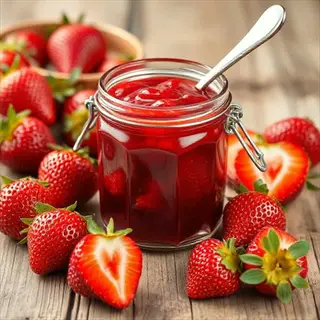
Earliglow (June-Bearing)
- Type: June-bearing variety that produces one large, concentrated harvest in late spring to early summer, making it ideal for gardeners who want a big single picking window.
- Best Zones: Thrives in USDA zones 4 through 8 and handles cold winters without heavy mulching, which makes it a reliable choice across the northern and mid-Atlantic states.
- Flavor: Widely regarded as one of the sweetest strawberries available, with a rich, classic strawberry taste that stands out in fresh eating and preserves.
- Disease Resistance: Shows strong resistance to red steele root rot, verticillium wilt, and several leaf diseases, reducing the need for chemical treatments.
- Yield: Produces moderate to high yields with firm berries that hold up well during picking, transport, and short-term storage in the refrigerator.
- Best For: Beginners who want a low-maintenance, disease-resistant plant that delivers outstanding flavor without complicated care routines.

Honeoye (June-Bearing)
- Type: June-bearing cultivar that ripens about one week after Earliglow, extending your early-summer harvest when both are planted together in the same bed.
- Best Zones: Performs well in USDA zones 3 through 8, tolerating harsh northern winters and producing reliably even in short growing seasons.
- Flavor: Delivers a pleasantly tart-sweet flavor with bright red color inside and out, making it a popular choice for jams and baked goods.
- Disease Resistance: Moderate resistance to leaf diseases, though somewhat susceptible to black root rot in heavy clay soils that drain poorly.
- Yield: Known for high yields and large berry size, especially in the first two years after planting in well-amended soil.
- Best For: Gardeners in colder climates who want heavy production and do not mind a slightly tart flavor profile compared to sweeter varieties.
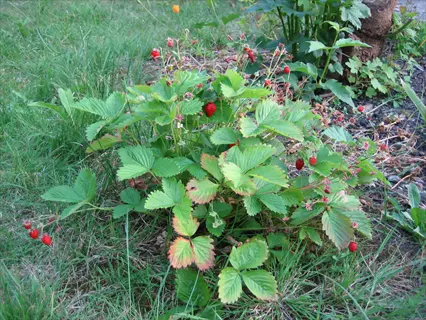
Allstar (June-Bearing)
- Type: Mid-season June-bearing variety that fills the gap between early and late cultivars, producing large, symmetrical berries from late spring into early summer.
- Best Zones: Grows well in USDA zones 4 through 8 and adapts to a wide range of soil types, making it one of the most versatile June-bearing options.
- Flavor: Offers a mild, sweet flavor with less acidity than Honeoye, which makes it a strong choice for fresh eating straight from the garden.
- Disease Resistance: Excellent resistance to red steele and verticillium wilt, plus good tolerance to leaf scorch, which is why many university extension services recommend it.
- Yield: Produces large berries consistently over several years, maintaining good size even in the third and fourth seasons with proper renovation.
- Best For: Home gardeners looking for a reliable, all-purpose berry that works well for fresh eating, freezing, and beginning growers.
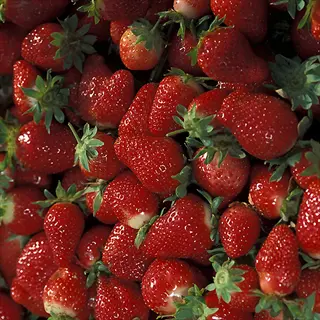
Chandler (June-Bearing)
- Type: Late-season June-bearing variety originally developed for California's commercial fields but now grown successfully in home gardens across warmer zones.
- Best Zones: Best suited for USDA zones 5 through 9, performing especially well in mild-winter areas along the southern and western United States.
- Flavor: Produces exceptionally large, firm berries with a balanced sweet-tart flavor that makes it a favorite at farmers' markets and pick-your-own operations.
- Disease Resistance: Moderate disease resistance, with some susceptibility to anthracnose in humid conditions, so good air circulation is important.
- Yield: One of the highest-yielding June-bearing varieties when grown in the right climate, with berries that can weigh over 1 ounce (28 grams) each.
- Best For: Gardeners in warmer climates who prioritize large berry size and do not mind providing extra attention to disease prevention.
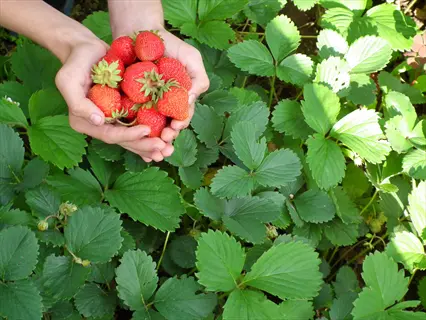
Ozark Beauty (Everbearing)
- Type: Everbearing variety that produces two distinct harvests per year, one in late spring and another in early fall, giving you fruit over a longer window.
- Best Zones: Hardy in USDA zones 4 through 8, making it one of the most cold-tolerant everbearing options for northern gardeners.
- Flavor: Sweet, aromatic berries with a tender texture that tastes best eaten fresh within a day or two of picking for peak flavor.
- Disease Resistance: Good overall disease tolerance, though it can be affected by leaf spot in wet seasons; proper spacing helps reduce risk.
- Yield: Produces generously in both spring and fall flushes, with the fall crop often producing slightly smaller but equally flavorful berries.
- Best For: Families who want fresh berries across two seasons without the continuous maintenance that day-neutral types require.
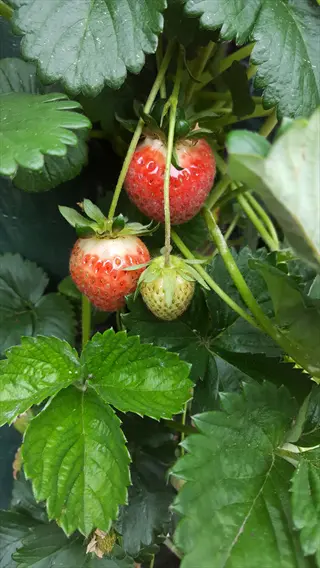
Seascape (Day-Neutral)
- Type: Day-neutral variety that produces fruit continuously from late spring through the first frost, independent of day length, giving the longest possible harvest season.
- Best Zones: Performs best in USDA zones 4 through 8, with especially strong results in Pacific Coast climates and areas with moderate summer temperatures.
- Flavor: Large, firm berries with a well-balanced sweet flavor and excellent aroma, making Seascape a top choice for both fresh eating and baking.
- Disease Resistance: Good resistance to verticillium wilt and common leaf diseases, with moderate tolerance to powdery mildew in coastal environments.
- Yield: Produces three distinct peaks per year according to Penn State Extension: June, midsummer, and late August through frost, adding up to impressive total yields.
- Best For: Gardeners who want a steady, ongoing harvest throughout the season and are willing to fertilize monthly to support continuous production.
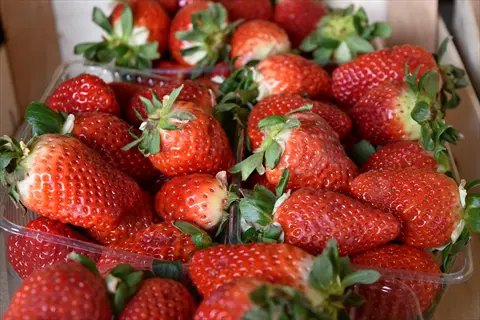
Tristar (Day-Neutral)
- Type: Day-neutral variety that produces smaller but intensely flavorful berries from June until frost, making it a favorite among gardeners who prioritize taste over size.
- Best Zones: Hardy in USDA zones 4 through 8 and handles heat stress better than many other day-neutral varieties in warmer southern gardens.
- Flavor: Considered one of the best-tasting strawberries available, with a concentrated sweetness and complex flavor that many growers compare to wild berries.
- Disease Resistance: Strong resistance to red steele and verticillium wilt, plus good tolerance to powdery mildew, making it a relatively trouble-free grower.
- Yield: Produces moderate yields of smaller berries; what it lacks in size it compensates for with exceptional flavor and continuous summer-long production.
- Best For: Container gardeners and flavor enthusiasts who value taste above all else and enjoy picking small handfuls of berries throughout the growing season.

Albion (Day-Neutral)
- Type: Day-neutral variety bred by the University of California that produces large, conical berries continuously from late spring through fall in suitable climates.
- Best Zones: Best in USDA zones 4 through 8, but truly excels in zones 6 through 8 where the longer warm seasons support its extended fruiting habit.
- Flavor: Delivers a consistently sweet, firm berry with a deep red interior and excellent shelf life, making it popular for both home gardens and small market sales.
- Disease Resistance: Strong resistance to verticillium wilt, phytophthora crown rot, and anthracnose fruit rot, which reduces the need for fungicide applications.
- Yield: High yields for a day-neutral type, with berries averaging 1 ounce (28 grams) each, and the plant maintains good size throughout the entire production season.
- Best For: Gardeners in moderate climates who want the production volume of a June-bearing type combined with the extended harvest window of a day-neutral.
Planting and Soil Preparation
Good soil prep is the single biggest factor that separates a thriving strawberry patch from a struggling one. I learned this the hard way when my first bed failed because I skipped the soil test. Penn State Extension found that 90% of strawberry roots sit in the top 6 inches of soil. What you put in that thin top layer matters more than anything deeper down.
Start planting strawberries with a quick mental checklist: test your soil, fix the pH, set crowns at soil level, and water deep. Your strawberry soil pH should fall between 5.5 and 6.8 for the best nutrient uptake. If your soil tests too high, mix in sulfur a few months before you plant. Add compost to boost drainage and organic matter at the same time.
Bareroot strawberry plants are the most common choice for home gardens. Soak the roots in water for 30 minutes before planting to wake them up after shipping. Dig a hole wide enough to fan the roots out and set the crown right at the soil line. Too deep and the crown rots. Too high and the roots dry out. Getting this right takes a few extra seconds but saves your whole crop.
Strawberry spacing matters just as much as soil quality. Set plants 18 to 24 inches apart with rows 3 to 4 feet between them. This gap gives the leaves room to breathe and cuts down on fungal problems. Raised bed strawberries work great if your yard has heavy clay because berries hate sitting in wet soil. Apply 2 pounds of 10-10-10 fertilizer per 100 feet of row at planting time to give roots a strong start.
One tip most guides skip is crop rotation. The University of Minnesota Extension says you should not plant strawberries where they grew in the past 2 to 4 years. Old beds carry soil diseases that will attack new plants fast. Pick a spot where no nightshades like tomatoes or peppers grew either, since those crops share the same pests.
Seasonal Care and Fertilizing
Strawberry plant care changes with each season. When I first started growing berries, I missed a fall feeding and lost half my bed the next spring. I learned that the right strawberry fertilizer at the right moment keeps your plants strong all year long. A simple calendar on your fridge can save your crop.
Managing strawberry runners is another key part of seasonal care. Let a few daughter plants root each summer to fill gaps in your bed. Clip the rest so your mother plants put energy into fruit instead. Strawberry mulching protects crowns during cold months and keeps berries clean during harvest. The guide below breaks down what to do in each season.
Spring: Planting and Early Growth
- Mulch Removal: Gradually pull back winter straw mulch as daytime temperatures stay above 40°F (4.4°C) so new growth can reach sunlight without sudden frost exposure.
- Fertilizing New Beds: Apply 2 pounds (0.9 kilograms) of balanced 10-10-10 fertilizer per 100 feet (30 meters) of row right at planting time to give roots a strong nutritional start.
- Blossom Removal: Pinch off all flowers on newly planted June-bearing varieties during the first spring to redirect energy toward root development and bigger harvests next year.
- Watering: Provide 1 to 1.5 inches (2.5 to 3.8 centimeters) of water per week through drip irrigation, keeping leaves dry to prevent gray mold and leaf spot infections.
Summer: Harvest and Runner Control
- Harvesting: Pick berries when fully red every two to three days in the morning after dew dries, handling by the stem to avoid bruising the fruit surface.
- Runner Management: Allow up to three daughter plants per mother plant and clip extra runners to prevent overcrowding and maintain good air circulation within the bed.
- Day-Neutral Feeding: Apply 1 pound (0.45 kilograms) of ammonium nitrate per 100 feet (30 meters) of row monthly from June through early September to fuel continuous production.
- Watering in Heat: Increase watering frequency during heat waves above 85°F (29°C) because the top few inches of soil where strawberry roots live dry out faster than most garden crops.
Fall: Renovation and Bed Prep
- June-Bearer Renovation: After the final harvest, mow the foliage to 1 inch (2.5 centimeters) above the crowns, narrow rows to 12 to 18 inches (30 to 46 centimeters), and apply 5 pounds (2.3 kilograms) of 10-10-10 per 100 feet (30 meters).
- Weed Control: Remove all weeds before plants go dormant because fall weed seeds will germinate early in spring and compete with your strawberry plants for nutrients.
- Last Watering: Continue watering until the ground freezes so plants enter dormancy fully hydrated, which helps crowns survive cold temperatures over winter.
- Daughter Plant Rooting: Pin any wanted daughter plants into soil now so they establish roots before winter; transplant extras to new beds or share with neighbors.
Winter: Protection and Dormancy
- Mulch Application: Apply 4 to 6 inches (10 to 15 centimeters) of clean straw once temperatures consistently stay below 40°F (4.4°C) after two to three hard frosts.
- Crown Protection: Strawberry crowns suffer damage at 15°F (minus 9.4°C), so mulch acts as insulation to keep soil temperature stable through freeze-thaw cycles.
- Container Plants: Move potted strawberry plants into an unheated garage or cold frame where temperatures stay between 25 and 40°F (minus 3.9 and 4.4°C).
- Bed Inspection: Check mulch coverage after heavy winds or snow melt and add more straw if crowns become exposed to prevent winter kill in colder zones.
Winter care strawberries need doesn't end once you lay down the mulch. I check my beds after every big storm to make sure the straw hasn't blown off. Overwintering strawberries is quick and easy work. That small effort saves you from replacing an entire bed come spring.
Pests, Diseases, and Fixes
Strawberry pests and diseases can ruin a great bed in just a few weeks if you don't catch them early. I've lost berries to gray mold and slugs more times than I want to admit. My first year, verticillium wilt wiped out an entire row because I planted where tomatoes grew before. Most strawberry plant problems are easy to spot and fix once you know what to look for.
Organic strawberry pest control works great for home gardens because you don't need harsh sprays near food you plan to eat. Rotate your beds every 2 to 4 years to break disease cycles in the soil. The list below covers the most common issues you will face, starting with the visible symptoms so you can match the problem fast.
Gray Mold (Botrytis Fruit Rot)
- Symptom: Fuzzy gray-brown coating appears on ripening berries, especially after several days of rain or high humidity during the flowering and fruiting period.
- Cause: The Botrytis cinerea fungus infects strawberry flowers when they remain wet for more than 12 hours according to University of Minnesota Extension research data.
- Prevention: Space plants 18 to 24 inches (46 to 61 centimeters) apart, remove dead leaves regularly, and use drip irrigation instead of overhead sprinklers to keep foliage dry.
- Treatment: Remove and discard infected fruit immediately; apply an approved fungicide containing Bacillus subtilis as a biological control if the problem persists in your bed.
Verticillium Wilt
- Symptom: Outer leaves wilt and turn brown at the edges even when the soil is moist, and plants gradually collapse from the outside inward over several weeks.
- Cause: The soil-borne fungus Verticillium dahliae survives in soil for years and also infects tomatoes, peppers, and potatoes, making crop rotation essential.
- Prevention: Avoid planting strawberries where nightshades grew in the past four years and choose resistant varieties like Earliglow, Allstar, and Tristar.
- Treatment: There is no chemical cure for infected plants; remove and destroy them immediately to prevent spreading, and replant in a clean, uninfected bed location.
Leather Rot (Phytophthora)
- Symptom: Berries develop a tough, leathery texture with dark brown or purplish discoloration and a bitter, unpleasant taste that is noticeable even before visible rot appears.
- Cause: Phytophthora cactorum spores spread through splashing water and need only 2 hours of surface moisture to infect fruit according to University of Minnesota Extension data.
- Prevention: Mulch under plants with clean straw to prevent soil splash onto fruit, improve bed drainage, and avoid overhead watering especially during the fruiting period.
- Treatment: Remove all infected berries and improve soil drainage immediately; in severe cases, apply a phosphonate-based fungicide labeled for Phytophthora on strawberries.
Slugs and Snails
- Symptom: Irregular holes chewed into ripe berries overnight with silvery slime trails visible on fruit, leaves, and the surrounding soil surface in the early morning.
- Cause: Slugs and snails are most active during cool, damp nights and are attracted to the moisture and sugar content of ripening strawberry fruit.
- Prevention: Spread a thin ring of diatomaceous earth or crushed eggshells around plants, remove ground-level hiding spots, and harvest berries as soon as they ripen.
- Treatment: Iron phosphate-based bait pellets are effective and safe for use around edible plants, pets, and wildlife unlike older metaldehyde-based slug baits.
Birds and Wildlife
- Symptom: Partially eaten berries with peck marks or entire ripe fruits disappearing from the plant, usually starting just as the first berries begin turning red.
- Cause: Birds, squirrels, and chipmunks target ripe strawberries for their water and sugar content, and they learn quickly once they find your berry patch.
- Prevention: Cover beds with lightweight bird netting supported by hoops or stakes so the netting does not rest directly on the plants or crush developing fruit.
- Treatment: Reflective tape, pinwheels, and decoy predators can deter birds temporarily, but physical netting remains the most reliable long-term solution for home gardens.
Harvesting and Storing
Harvesting strawberries at the right time is the key to getting the best flavor from your garden. I've found that berries picked even one day too early taste flat compared to those that ripen on the plant. The days from bloom to harvest run about 28 to 30 according to Penn State Extension. Mark your calendar when you see those first white flowers open.
Your strawberry yield per plant depends on the type you grow. A June-bearing plant gives you about 0.5 to 1 pound per season, while day-neutral types spread a smaller total across many months. A good rule of thumb is that 25 plants produce about 1 pint per day at peak harvest. Plan your bed size around how many berries your family eats each week.
Strawberry storage is where most home growers lose quality fast. Vitamin C drops 55.5% after just 4 days in the fridge at 39°F (4°C). After 8 days, that loss climbs to 77% according to a 2023 Molecules review. That's why growing your own berries gives you a nutrition edge that store bought fruit can't match. Pick in the morning after the dew dries and eat or freeze your harvest within 3 to 5 days for the best results.
Nutrition and Health Benefits
Strawberry nutrition is a big reason to grow your own berries at home. A 2023 review in Molecules found that 100 grams of fresh berries hold just 32 calories and over 90% water. That makes them one of the best snacks you can grab from your garden. When I tested my home grown fruit against store bought, the gap in quality blew me away.
The biggest strawberry health benefits come from strawberry vitamin C. Levels range from 23 to 112 mg per 100 grams based on variety and growing method. Organic strawberry growing boosts that number even more. Organic berries pack 9 to 10% more vitamin C per serving than those grown with standard sprays. That's a free bonus just from changing how you feed your plants.
Your home grown berries also pack loads of strawberry antioxidants. About 70% of the total power in a berry comes from pigments called anthocyanins. These red pigments jump more than 10 times higher as berries go from white to full red on the vine. Store fruit gets picked before peak color. Your backyard berries pack more of these good compounds into every bite.
5 Common Myths
Strawberry plants only last one season and need to be replaced every single year after harvest.
With proper renovation and care, strawberry beds can remain productive for at least five years before replacement is needed.
You should water strawberry plants every single day to keep the fruit plump and prevent wilting.
Overwatering causes root rot and fungal disease; strawberry plants need about 1 to 1.5 inches (2.5 to 3.8 centimeters) of water per week.
All strawberry varieties produce fruit at the same time of year regardless of type or climate zone.
June-bearing types fruit once in early summer, everbearing produce two crops, and day-neutral varieties fruit continuously until frost.
Growing strawberries from seed is just as fast and reliable as planting bare-root crowns from a nursery.
Seed-grown strawberries take much longer to establish and often produce inconsistent results compared to bare-root transplants.
Strawberries grown in containers always produce fewer and smaller berries than those planted in the ground.
Container strawberries can produce comparable fruit when given proper soil mix, drainage, full sun, and consistent feeding.
Conclusion
Growing strawberries comes down to three things: picking the right variety, staying on top of seasonal care, and stopping pests before they spread. Get those three pillars right and your strawberry plants will reward you with fruit for years to come. A bed that gets proper care and yearly fixes lasts at least 5 years according to Penn State Extension data.
The nutrition bonus makes home growing even more worth your time. Your vine ripened berries deliver up to 112 mg of vitamin C per 100 grams, which beats store bought fruit by a wide gap. That's free health value from your own backyard. With U.S. production at a record 3.22 billion pounds in 2024, it's clear that more people than ever see the value in this crop.
Good strawberry plant care doesn't need to be hard or take up all your time. I've found that 20 minutes a week keeps my beds in great shape from spring through winter. The key is doing small tasks on time rather than big fixes after things go wrong.
Think about a warm summer morning in your garden. You walk out and pick a handful of red, sun warmed berries before breakfast. That first bite is something no store can match. Start your bed this spring and you'll see why growing strawberries at home is one of the best choices a gardener can make.
External Sources
Frequently Asked Questions
What is the best month to plant strawberries?
Early spring, as soon as the ground can be worked, is ideal in most regions; fall planting suits mild-winter climates.
What is the trick to growing strawberries?
Proper crown depth, full sun, and consistent moisture are the keys to healthy, productive strawberry plants.
How long does it take for a strawberry plant to produce fruits?
Most strawberry plants produce fruit within four to six weeks after flowering, which is roughly 28 to 30 days from bloom.
When to plant strawberries in Germany?
In Germany, plant strawberries from mid-March to early May or in late summer between July and August for next-year harvests.
Do strawberries grow better in pots or ground?
Both work well, but in-ground beds usually produce larger yields while pots offer better drainage and pest control.
What cannot be planted next to strawberries?
Avoid planting brassicas, fennel, and nightshades like tomatoes and peppers near strawberries because they share pests or compete for nutrients.
How many strawberries will one plant give?
A healthy June-bearing plant typically produces about one quart of berries per season, roughly 0.5 to 1 pound (227 to 454 grams).
Will coffee grounds help strawberries grow?
Used coffee grounds can lower soil pH slightly and add nitrogen, but they should be composted first and used sparingly.
What helps strawberries grow faster?
Full sun, balanced fertilizer, consistent watering, and removing early runners all help strawberry plants grow faster.
Do strawberries grow in Germany?
Yes, Germany is one of the largest strawberry producers in Europe, with commercial farms and home gardens growing them across the country.