
Introduction
Your butterfly garden can do something that matters right now. A 2025 Georgetown University study found that U.S. butterfly numbers dropped 22% between 2000 and 2020 across 554 tracked species. For every 5 butterflies that flew through your area back in 2000, only 4 remain today. Those numbers hit me hard because I had already noticed fewer wings in my own backyard over the years.
I started growing plants for butterflies about 8 years ago on a small patch behind my garage. That first season taught me that butterfly conservation starts with what you put in the ground. The right flowers and host plants turned my yard into a stop for monarchs and swallowtails in just one summer. It wasn't luck. It was learning which plants do the real work.
This guide helps you build a pollinator garden that feeds adult butterflies and gives caterpillars a place to grow. You'll learn which native plants attract the most species and how to set up water and shelter. The USDA reports that 75% of flowering plants depend on pollinators. One in 3 bites of food on your plate comes from their work.
You can create real butterfly habitat with a full backyard or just a few pots on a balcony. Let's get your garden started with the plants and setup that make the biggest difference.
10 Best Butterfly Garden Plants
I tested these 10 butterfly garden plants in my own beds over several years. They proved themselves season after season. Each one gives you a nectar source, a host plant for your caterpillars, or both. I ranked them by how many species you can expect and how easy they are to grow in your yard.
Native plants for butterflies work best because your local pollinators grew up alongside them. The USDA Forest Service backs this up. Skip hybrid "doubled" flowers at your nursery. Breeders strip out the nectar and fragrance that butterflies need. Stick to straight species and your garden will pull in far more wings. Watch a monarch spiral down to your milkweed cluster in July and you'll get it.
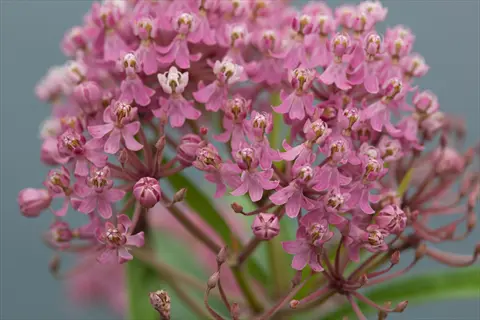
Common Milkweed
- Bloom Season: Mid-summer through early fall, producing clusters of pink to mauve flowers that open from June through August in most regions across the country.
- Nectar Value: Provides abundant sweet nectar that attracts monarchs, swallowtails, painted ladies, and dozens of other species throughout the blooming season.
- Host Plant Role: The only host plant for monarch caterpillars, which feed on milkweed leaves alone to complete their entire larval development stage.
- Growing Conditions: Thrives in full sun with well-drained soil, tolerates poor soil and drought once established, and grows 3 to 5 feet (0.9 to 1.5 meters) tall.
- Regional Notes: Native across most of the eastern and central United States in USDA zones 3 through 9, with related species available for western gardens.
- Planting Tip: Plant in groups of 5 or more for maximum visibility to passing butterflies, and leave seed pods intact in fall for natural spreading.
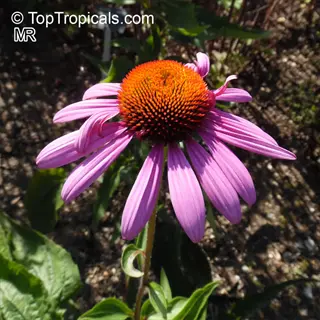
Purple Coneflower
- Bloom Season: Early summer through fall, producing large daisy-like flowers with raised orange-brown centers from June through September in most climate zones.
- Nectar Value: One of the top nectar producers for butterflies, attracting swallowtails, fritillaries, painted ladies, and skippers with its wide landing platform.
- Host Plant Role: Not a caterpillar host plant, but its extended bloom period provides reliable nectar for adult butterflies across three full months.
- Growing Conditions: Prefers full sun and well-drained soil, tolerates heat, humidity, and drought once established, and reaches 2 to 5 feet (0.6 to 1.5 meters) tall.
- Regional Notes: Native to central and eastern North America in USDA zones 3 through 8, and sold at nurseries across the entire country.
- Planting Tip: Leave spent flower heads standing through winter because goldfinches eat the seeds and overwintering insects shelter in the hollow stems.
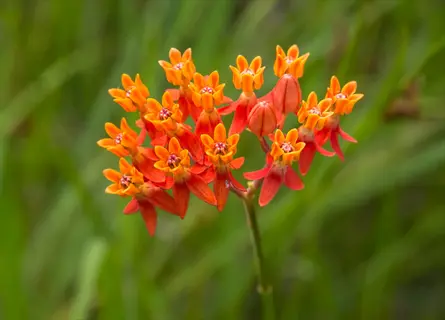
Butterfly Weed
- Bloom Season: Early to mid-summer, producing bright orange flower clusters from May through August that stand out vividly against green garden foliage.
- Nectar Value: A rich nectar source that draws monarchs, swallowtails, hairstreaks, and many smaller butterfly species throughout its long bloom window.
- Host Plant Role: Serves as a host plant for monarch caterpillars like other milkweed species, making it dual-purpose for both feeding and breeding butterflies.
- Growing Conditions: Requires full sun and excellent drainage, tolerates sandy or rocky soil, grows 1 to 2 feet (30 to 60 centimeters) tall in compact clumps.
- Regional Notes: Native across most of the United States in USDA zones 3 through 9, and well suited to hot, dry sites where other plants struggle.
- Planting Tip: Start from nursery transplants rather than seed because butterfly weed has a deep taproot that makes transplanting difficult once established.
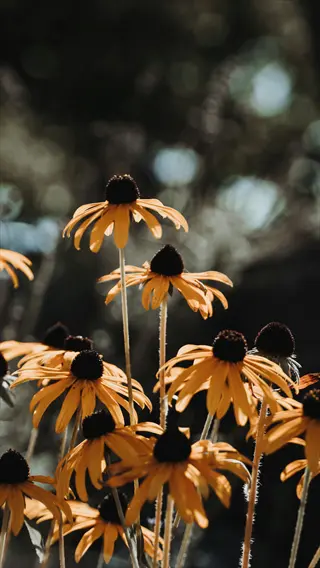
Black-Eyed Susan
- Bloom Season: Mid-summer through fall, producing cheerful golden-yellow flowers with dark centers from July through October across a wide range of climates.
- Nectar Value: A reliable late-season nectar source that attracts painted ladies, common buckeyes, sulphurs, and many small skipper butterfly species.
- Host Plant Role: Serves as a host plant for silvery checkerspot caterpillars, adding breeding value beyond its primary role as a nectar-rich garden flower.
- Growing Conditions: Grows well in full sun to partial shade with average to poor soil, tolerates heat and moderate drought, and reaches 2 to 3 feet (60 to 90 centimeters).
- Regional Notes: Native throughout eastern and central North America in USDA zones 3 through 9, and it spreads with ease in meadow-style butterfly plantings.
- Planting Tip: Sow seeds directly in fall for spring germination, or plant nursery starts in spring with spacing of 12 to 18 inches (30 to 45 centimeters) apart.
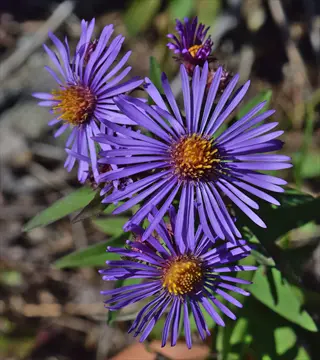
New England Aster
- Bloom Season: Late summer through fall, producing dense clusters of purple to pink flowers from August through October when other nectar sources are fading.
- Nectar Value: One of the most important late-season nectar plants, fueling monarchs preparing for migration and providing food for painted ladies and sulphurs.
- Host Plant Role: Serves as a host plant for pearl crescent and checkerspot caterpillars, supporting larval development for multiple butterfly species at once.
- Growing Conditions: Thrives in full sun with moist to average soil, tolerates clay, and grows 3 to 6 feet (0.9 to 1.8 meters) tall with a bushy spread.
- Regional Notes: Native to eastern and central North America in USDA zones 4 through 8, and essential in gardens that need fall-blooming flowers for migrants.
- Planting Tip: Pinch stems back by half in early June to produce bushier growth and more flowers while preventing the tall stems from flopping over.
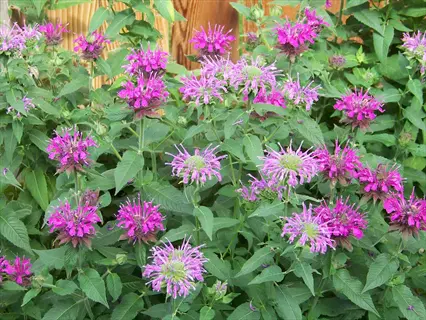
Bee Balm
- Bloom Season: Mid-summer, producing showy tubular flower clusters in red, pink, or purple from June through August that hummingbirds also love to visit.
- Nectar Value: Excellent nectar producer with tubular flowers that attract swallowtails, fritillaries, and other large butterflies with long proboscises throughout summer.
- Host Plant Role: Not a primary caterpillar host, but the mint-family foliage provides shelter and the dense growth habit creates a protective microclimate nearby.
- Growing Conditions: Prefers full sun to light shade with moist, well-drained soil, grows 2 to 4 feet (60 to 120 centimeters) tall, and spreads through underground runners.
- Regional Notes: Native to eastern North America in USDA zones 4 through 9, with multiple species and cultivars available for different climate regions.
- Planting Tip: Space plants 18 to 24 inches (45 to 60 centimeters) apart with good air circulation to reduce powdery mildew, and divide clumps every 3 years.
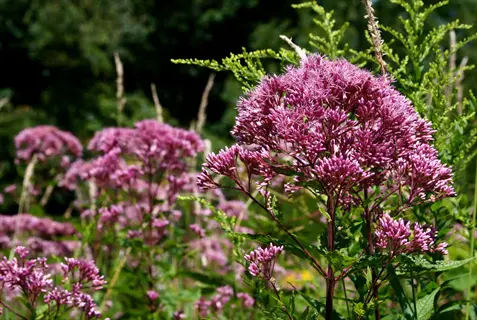
Joe-Pye Weed
- Bloom Season: Mid to late summer, producing large domed clusters of dusty pink to purple flowers from July through September that tower above other garden plants.
- Nectar Value: One of the highest-nectar plants available, drawing swallowtails, monarchs, fritillaries, and skippers in large numbers to its massive flower heads.
- Host Plant Role: Not a primary caterpillar host plant, but the tall structure provides wind shelter and perching spots for territorial male butterflies nearby.
- Growing Conditions: Thrives in full sun to partial shade with moist soil, tolerates wet feet, and grows 4 to 7 feet (1.2 to 2.1 meters) tall as a dramatic backdrop.
- Regional Notes: Native to eastern North America in USDA zones 4 through 9, and particularly effective in rain gardens or near water features where soil stays moist.
- Planting Tip: Position at the back of borders or center of island beds due to its height, and cut stems to 12 inches (30 centimeters) in early June for shorter plants.
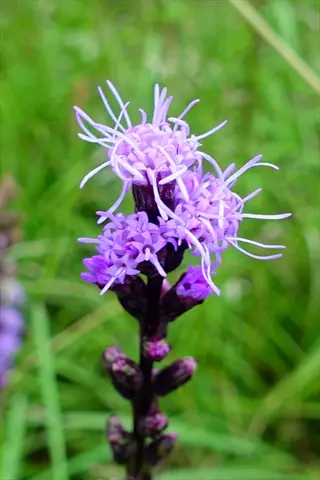
Blazing Star
- Bloom Season: Mid to late summer, producing striking purple spike-shaped flower clusters from July through September that bloom from the top downward.
- Nectar Value: A butterfly magnet that attracts monarchs, swallowtails, painted ladies, and dozens of native bee species with its tight packed tubular florets.
- Host Plant Role: Not a caterpillar host plant, but its vertical flower spikes serve as a visible landing platform that helps butterflies find your garden.
- Growing Conditions: Prefers full sun and well-drained soil, very drought tolerant once established, and grows 2 to 4 feet (60 to 120 centimeters) tall.
- Regional Notes: Several species are native across North America in USDA zones 3 through 9, with prairie blazing star common in the Midwest and dense blazing star in the East.
- Planting Tip: Plant bulb-like corms in fall at 2 inches (5 centimeters) deep and 12 inches (30 centimeters) apart for a striking vertical accent among lower-growing plants.
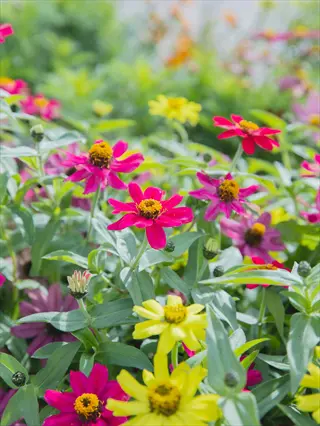
Zinnia
- Bloom Season: Summer through first frost, producing large colorful flowers from June through October in shades of orange, pink, red, yellow, and white.
- Nectar Value: Among the best annual nectar plants for butterflies, drawing swallowtails, monarchs, painted ladies, and sulphurs with wide flat flower heads.
- Host Plant Role: Not a caterpillar host plant, but its long bloom season fills gaps between perennial blooms and provides reliable nectar through the entire season.
- Growing Conditions: Needs full sun and well-drained soil, thrives in heat, grows 1 to 4 feet (30 to 120 centimeters) tall depending on variety, and is easy from seed.
- Regional Notes: Grows as a warm-season annual in all USDA zones, making it a universal butterfly garden addition regardless of your geographic location or climate region.
- Planting Tip: Sow seeds directly in garden soil after last frost, and deadhead spent blooms weekly to encourage continuous flowering from summer straight through fall.
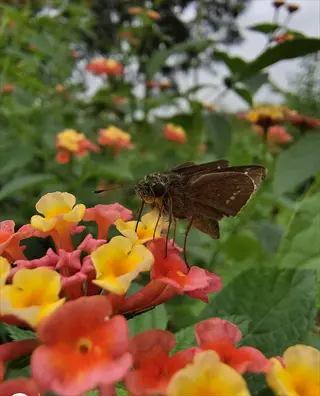
Lantana
- Bloom Season: Late spring through frost, producing clusters of tiny flowers in orange, yellow, pink, and red from May through November in warm climates.
- Nectar Value: An outstanding nectar source that attracts swallowtails, monarchs, Gulf fritillaries, painted ladies, and hairstreaks with continuous dense flower clusters.
- Host Plant Role: Not a caterpillar host plant, but its extremely long bloom period and heat tolerance make it invaluable for maintaining nectar availability in summer.
- Growing Conditions: Requires full sun and well-drained soil, extremely heat and drought tolerant once established, growing 1 to 6 feet (30 to 180 centimeters) by variety.
- Regional Notes: Hardy perennial in USDA zones 8 through 11 and grown as an annual in colder regions, with trailing varieties perfect for containers and hanging baskets.
- Planting Tip: Choose sterile cultivars in areas where lantana is considered invasive, and pair with native host plants to create a complete butterfly habitat station.
You should follow the USDA NRCS standard of at least 3 early, 3 mid, and 3 late bloomers in your garden. This list covers all 3 seasons so your butterflies always have food from spring through the first frost. Mix your nectar plants with host plants like milkweed, black-eyed Susan, and coneflower to support the full life cycle from egg to adult.
Nectar and Host Plant Pairings
Most people plant flowers to attract adult butterflies but forget the other half of the butterfly life cycle. Your garden needs caterpillar host plants too. Without them, butterflies can't lay eggs and you won't see new generations grow in your yard. Think of each pairing below as a recipe for bringing a specific species to your garden.
To build a monarch butterfly garden, you need milkweed because it's the only plant their caterpillars eat. The USDA NRCS lists 10 core states for monarch habitat, but you can support them from almost any garden in the country. Want black swallowtails? Plant dill and fennel as caterpillar host plants alongside your coneflowers for adult feeding. For Gulf fritillaries, grow passionflower vine near your lantana and they'll show up fast. These butterfly-friendly plants cover both food and breeding needs.
I suggest you pick 2 to 3 butterfly species from this table and plant both their nectar and host plants in clumps of 3 to 5. The USDA Forest Service recommends clump planting because it helps butterflies find your garden from a distance. You don't need every plant on this list to make a difference for your local butterflies.
Setting Up Your Garden Space
Your butterfly garden design matters more than most beginners think. I made every mistake in my first backyard butterfly garden by scattering random plants with no plan. The butterflies came, but not in the numbers I wanted. Once I learned the right garden layout tricks, everything changed. Even a small bed with smart plant placement can outperform a large messy garden.
Picture your space in 3 layers from back to front. Tall Joe-Pye weed goes at the rear, mid-height coneflowers fill the center, and low zinnias line the front edge. This setup lets you see every butterfly that visits and gives each plant the sunlight it needs. A butterfly garden for beginners starts right here with this layered approach. Add native wildflowers that bloom across all 3 seasons and you're set.
Choose Your Garden Size
- Small Garden: A 4 by 8 foot (1.2 by 2.4 meter) bed holds 15 to 20 plants and supports 3 to 5 butterfly species with a mix of nectar and host plants.
- Medium Garden: A 10 by 10 foot (3 by 3 meter) bed allows layered plantings with tall, medium, and low-growing species for 5 to 8 butterfly species.
- Large Garden: A 20 by 20 foot (6 by 6 meter) or larger space supports a full meadow-style planting with 10 or more butterfly species and room for puddling stations.
Prepare the Soil
- Soil Testing: Test your soil pH before planting because most butterfly garden natives prefer slightly acidic to neutral soil between 6.0 and 7.0 on the pH scale.
- Amendment Strategy: Mix 2 to 3 inches (5 to 7.5 centimeters) of compost into the top 6 inches (15 centimeters) of soil to improve drainage and fertility.
- Avoid Over-Enriching: Native plants adapted to poor soil may produce excess foliage and fewer flowers if given too much fertilizer or overly rich compost.
Arrange Plants by Height
- Back Row: Place tall plants like Joe-Pye weed at 4 to 7 feet (1.2 to 2.1 meters) along the back edge or center of island beds for vertical structure.
- Middle Row: Fill the center with mid-height species like coneflower and bee balm at 2 to 4 feet (60 to 120 centimeters) for the main nectar layer.
- Front Row: Line the edges with compact plants like zinnia and lantana at 1 to 2 feet (30 to 60 centimeters) for easy butterfly viewing and garden access.
Group Plants in Clusters
- Cluster Size: Plant each species in groups of 3 to 5 as recommended by the USDA Forest Service, creating visible color patches that butterflies can spot from a distance.
- Bloom Staggering: Include at least 3 early-season, 3 mid-season, and 3 late-season bloomers per the USDA NRCS standard for continuous pollinator food supply.
- Color Blocking: Group purple, pink, orange, and yellow flowers together because butterflies are most attracted to these colors and less responsive to red blooms.
Water, Shelter, and Sunlight
Plants alone won't make your butterfly garden complete. You also need a butterfly water source, shelter from wind, and warming surfaces for butterflies to heat their wings on. Think about a butterfly's whole day. It starts by butterfly basking on a warm flat rock in the morning sun. Then it sips minerals from a damp sand puddle, feeds from your flowers, and roosts in dense shrubs at dusk. Your garden should support every part of that routine.
I added a butterfly puddling station to my garden in year 2 and saw more species show up within weeks. Butterflies are cold blooded and need outside heat to fly, which is why sunlight and warm surfaces matter so much. A good butterfly shelter from wind and cold nights keeps them coming back to your yard all season long.
Build a Puddling Station
- Materials Needed: Fill a low flat dish or saucer with coarse sand, add a pinch of sea salt for minerals, and keep the sand damp but never submerged underwater.
- Placement: Position your puddling station at ground level in a sunny spot near flower clusters so butterflies can easily move between feeding and mineral intake areas.
- Maintenance: Refresh the water daily in hot weather and replace the sand monthly because mineral content depletes over time and algae can build up in standing moisture.
Provide Basking Surfaces
- Flat Rocks: Place several large flat rocks or flagstones in sunny areas of your garden so butterflies can spread their wings and absorb heat to warm their flight muscles.
- Strategic Positioning: Set basking rocks where they receive morning sun because butterflies need to warm up early in the day before they can fly effectively to feed.
- Alternative Surfaces: Bare patches of dark soil or gravel paths also serve as effective warming spots where butterflies will rest and open their wings in direct sunlight.
Create Wind Shelter
- Natural Windbreaks: Plant dense shrubs or small trees along the north and west sides of your garden to block prevailing winds that make it hard for butterflies to fly.
- Shelter Structures: Stacked logs, rock piles, and clusters of tall ornamental grasses provide roosting spots and overnight shelter for butterflies throughout the season.
- Overwintering Sites: Leave dead tree limbs and loose bark in place because some butterfly species tuck into bark crevices and hollow stems to survive cold winter months.
Offer Supplemental Food
- Fruit Feeding: Set out slices of overripe bananas, oranges, and watermelon on a flat plate to attract species like red admirals and mourning cloaks that prefer fruit sugars.
- Placement Tips: Place fruit feeders in a sunny spot slightly away from flower beds to prevent attracting wasps directly to your nectar plants and butterfly viewing areas.
- Cleanup Schedule: Remove uneaten fruit every 2 days to prevent mold growth and avoid attracting ants, raccoons, or other unwanted wildlife to your butterfly feeding area.
Seasonal Butterfly Garden Care
Seasonal butterfly garden care is the piece most new gardeners miss. I killed more chrysalises in my first fall garden cleanup than I want to admit. Once I learned to leave things messy on purpose, my butterfly numbers jumped the next spring. Your butterfly garden maintenance changes with each season. Getting the timing right makes all the difference.
The biggest lesson I can share is this: stop cleaning up so much. Butterfly eggs, chrysalises, and hibernating adults hide in leaf litter and dead stems all winter. An aggressive fall garden cleanup destroys them before they ever get to fly. Research shows that leaving grass long and cutting back less in autumn boosts your butterfly numbers in a big way. Use the table below as your seasonal plan from spring planting through overwintering butterfly garden prep.
Container Butterfly Gardens
You don't need a big yard to grow a container butterfly garden. I started my first one on a tiny apartment balcony with just 3 pots, and painted ladies found it within the first month. The USDA Forest Service confirms that pollinator gardens work at any size. Even a single pot with the right plants supports butterflies in your area.
A small space butterfly garden works great if you rent or live in a city. Your patio butterfly garden or apartment pollinator garden can hold the same nectar and host plants that fill a large bed. This is also a great butterfly garden for beginners. You can control the soil, sun, and water much easier in pots than in the ground.
Single Large Container
- Container Size: Use a pot at least 18 inches (45 centimeters) wide and 14 inches (35 centimeters) deep with drainage holes to give roots enough room to grow strong.
- Plant Combination: Pair one dwarf butterfly weed or compact milkweed with trailing lantana and a parsley plant that serves as both herb and swallowtail host plant.
- Care Schedule: Water containers daily in summer because pots dry out faster than garden beds, and feed with half-strength liquid fertilizer every two weeks.
Balcony Grouping Setup
- Arrangement Strategy: Cluster 3 to 5 containers together on a sunny balcony or patio to create a visible mass of color that butterflies can spot from a distance.
- Height Variation: Use plant stands or overturned pots to create different heights within your container group, mimicking the layered look of an in-ground garden bed.
- Species Mix: Include one host plant container, two nectar plant containers, and one low flat dish puddling station to provide a complete butterfly habitat in minimal space.
Window Box Configuration
- Best Plants: Fill window boxes with compact zinnias, dwarf marigolds, and trailing verbena for continuous blooms visible to butterflies passing near your building.
- Sun Exposure: Position window boxes on south or west-facing windows that receive at least 6 hours of direct sunlight for the best flower production and butterfly visits.
- Watering Needs: Window boxes dry out very quickly in summer heat, so water every morning and consider self-watering box inserts for consistent moisture levels throughout the day.
Patio Raised Bed Option
- Bed Dimensions: A raised bed as small as 3 by 6 feet (0.9 by 1.8 meters) and 12 inches (30 centimeters) deep provides enough growing space for a complete butterfly habitat.
- Soil Mix: Fill raised beds with a blend of 60% topsoil, 30% compost, and 10% perlite for the drainage and nutrition that butterfly garden plants need to thrive.
- Accessibility Benefit: Raised beds at table height let gardeners with mobility challenges maintain a butterfly garden without bending and allow close-up butterfly observation.
I've seen apartment growers pull in 5 or more species with just a small balcony setup. Your pots help save butterflies in cities. That's where habitat loss hits hardest.
5 Common Myths
Butterfly houses sold at garden stores attract and shelter butterflies in your yard.
Butterflies almost never use butterfly houses. They prefer natural shelter like dense shrubs, tall grass, rock piles, and tree bark crevices for roosting and overwintering.
A butterfly bush is the single best plant you can add to any butterfly garden.
Butterfly bush is classified as invasive in many U.S. states and only provides nectar for adults. It does not serve as a host plant for caterpillars, so it cannot support the full butterfly life cycle.
Organic and natural pesticides like neem oil are safe to use around butterflies and caterpillars.
Organic pesticides including neem oil, insecticidal soap, and Bt (Bacillus thuringiensis) can kill caterpillars on contact. No pesticide should be used in or near a butterfly garden.
You only need colorful flowers to have a successful butterfly garden that draws species in.
Nectar flowers attract adults, but without host plants for caterpillars to feed on, butterflies cannot complete their life cycle in your garden and populations will not sustain.
Red flowers are the best color choice for attracting the widest variety of butterfly species.
Butterflies are most attracted to purple, pink, orange, and yellow flowers. Red flowers are harder for butterflies to see, and hummingbirds are the primary visitors to red blooms.
Conclusion
Your butterfly garden needs 3 things to work. You need nectar plants for adults, host plants for caterpillars, and a firm promise to skip all pesticides. Add the right seasonal care on top of that and you give butterflies everything they need to complete their full life cycle in your yard. These aren't hard steps. They just take knowing what matters.
With 22% of U.S. butterflies gone since 2000, your pollinator garden does more than look pretty. It builds real butterfly habitat where species can feed, breed, and shelter. Butterfly conservation works best when thousands of home gardens connect like links in a chain. Your backyard fills one of those links.
You don't need to go big to make a difference. A single container of milkweed or a 4 by 8 foot bed of native plants for butterflies can attract species in your first growing season. I started small and now my garden hosts over 10 species every summer. The USDA NRCS even offers grants through EQIP and CSP programs for pollinator habitat on private land.
The first monarch that lands on your milkweed is proof that one garden can change a flight path. Get your hands dirty this spring and watch the wings show up.
External Sources
Frequently Asked Questions
What is the point of a butterfly garden?
A butterfly garden provides critical habitat for declining butterfly populations by offering nectar for adults and host plants for caterpillars, supporting pollination and local biodiversity.
What is needed for a butterfly garden?
You need nectar plants, caterpillar host plants, at least 6 hours of sunlight, a water or puddling station, wind shelter, and a commitment to avoiding pesticides.
What is the best plant for a butterfly garden?
Milkweed is widely considered the best plant for a butterfly garden because it serves as both a nectar source for many species and the only host plant for monarch caterpillars.
What do you do for a butterfly garden?
You plant native nectar and host plants, provide water through a puddling station, create shelter, avoid pesticides, and maintain seasonal blooms from spring through fall.
What does the butterfly mean?
The butterfly is a universal symbol of transformation, hope, and renewal, stemming from its dramatic metamorphosis from caterpillar to winged adult.
Where is the best place to put a butterfly garden?
The best location gets at least 6 hours of direct sunlight, is sheltered from strong winds, and is close enough to your home for easy observation and maintenance.
What are the disadvantages of a butterfly bush?
Butterfly bush is classified as invasive in many U.S. states, spreads aggressively into natural areas, displaces native plants, and provides only nectar without serving as a host plant for caterpillars.
What is the best time of year to plant a butterfly garden?
Spring after the last frost is the best time to plant a butterfly garden, giving roots time to establish before summer bloom season when butterflies are most active.
What are the best flower and butterfly combos?
Top pairings include milkweed with monarchs, passionflower with gulf fritillaries, dill with black swallowtails, and coneflower with painted ladies.
What's the lifespan of a butterfly?
Most adult butterflies live 2 to 4 weeks, though some species like monarchs can live up to 8 or 9 months during their migration generation.