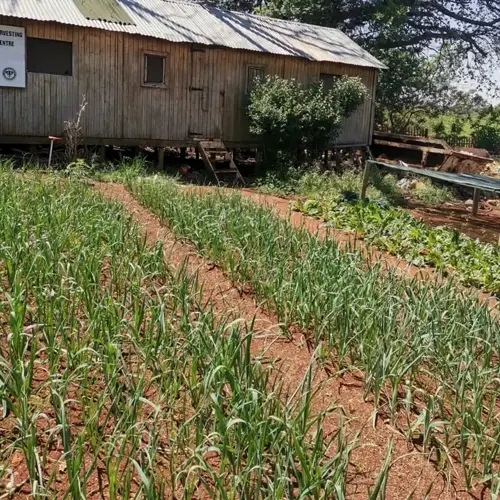

Onions require full sun exposure. They need direct sunlight for a minimum of six hours each day. If not, the bulbs will be just small nuggets, and they will take longer to mature. I always look for a south-facing spot in which to grow my onions. Your location will determine your success.
Understand how sunlight duration affects growth stages. Plants need constant light to develop leaves for photosynthesis, and long hours of daylight for the latter development when bulbs are forming; hence, a long-day variety will be very much hastened towards maturity in a far northern summer and, as seed onions, keep on growing until autumn. Your onions manufacture sugar from the sugars of the sun and store it away in the bulbs.
Positioning your garden to avoid shade from trees and buildings (especially afternoon shade) will ensure you have a garden that has uninterrupted exposure to the sun. In early spring, before planting, I map out my exposure to the sun throughout the day. The exposure you secure to the sun from morning through the afternoon to night guarantees a continuous energy source for your bulbs, which are beneficiaries of solar power. Be sure to rotate your crop yearly, so that the soil is never depleted of a particular nutrient.
Garden Layout
- Plant in north-south rows for even light distribution
- Space plants to prevent shading between bulbs
- Use reflective mulch to boost light intensity
Container Solutions
- Place pots on wheeled stands for sun tracking
- Elevate containers to catch morning light earlier
- Use light-colored pots to reduce heat absorption
Troubleshooting
- Prune overhanging branches blocking sunlight
- Relocate containers twice daily in limited spaces
- Use grow lights supplementally in shaded areas
Adjust for seasonal changes. In the spring, daylight hours increase, benefiting new plantings. Consider the growth of tree foliage, which may produce new shadows. I take photos every week to monitor light patterns and thereby avoid new shadows mid-season.
Discover the signs of trouble through insufficient sunlight; the light leaves shewing pallidity, the necks light (as to the strength of bulbs), and the plants so long as to be self-sown. A little timely assistance will not harm; bulk must not smother, and onions in pots must be moved outdoors.
Combine sunlight with these other growth factors. Through proper spacing, sunlight can penetrate between the plants, allowing them to grow more efficiently. Balanced nutrition ensures energy conversion and storage. That's why I pair onions with low-growing companions, such as lettuce. Your wholesome approach creates the right conditions for bulbing!
Read the full article: How to Grow Onions Successfully at Home