
Introduction
The delphinium flower is one of the few garden plants that gives you true blue blooms on tall spikes. It's in the buttercup family, and the full name for that group is Ranunculaceae. I grew my first batch 8 years ago and they changed how I think about garden color.
The delphinium's flower buds look like leaping dolphins in shape. That's how this plant earned its name from the Greek word delphis. Scientists traced the genus back to East Asia. It first showed up about 24 million years ago and now includes 300 to 750 species around the world.
The delphinium plant holds the title of July birth flower, so it makes a great gift for summer birthdays. It also pulls bumblebees and butterflies into your garden like few other perennials can. You get a flower that looks great in a vase, carries deep meaning, and feeds pollinators all at once.
This guide covers the best varieties to grow and what each color means. You'll also find the care steps that keep your delphiniums blooming strong all season. The tips ahead will help you get the most from every spike in your garden.
8 Popular Delphinium Varieties
Picking the right delphinium varieties is like picking a skyline for your garden. Heights range from a compact 1 foot to a towering 6 feet, so the types of delphiniums you choose shape the whole look of your border. I've grown at least 12 different kinds over the years, and each group has its own strengths.
The Elatum Group and Pacific Giants have ruled show gardens for decades. The RHS ran its first delphinium trial in 1916 and gave out a best cultivar award by 1925. The New Millennium series gives you stronger stems than old Delphinium elatum types. You'll find Belladonna picks bring a looser, airier feel to your cottage border.
Below are 8 proven picks for every garden size. You'll find compact dwarf delphinium types for pots and tall blue delphinium spikes that steal the show.
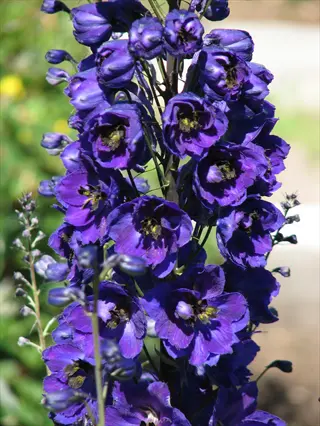
Pacific Giant Black Knight
- Height: Grows up to 5 to 6 feet (1.5 to 1.8 meters) tall with dark violet-purple semi-double flowers on sturdy central spikes.
- Bloom Period: Produces its first flush of flowers in June through July, with a possible second bloom in September after deadheading.
- Growing Conditions: Thrives in full sun with well-drained, slightly alkaline soil and needs strong staking due to its impressive height.
- Best Use: Makes a dramatic backdrop at the rear of cottage garden borders and pairs beautifully with white roses and silver foliage.
- Hardiness: Performs reliably in USDA Zones 3 through 7 and tolerates cold winters but struggles in hot, humid summers.
- Special Feature: One of the original Pacific Giant hybrids developed in the 1950s and 1960s that remains a favorite for exhibition and cutting.
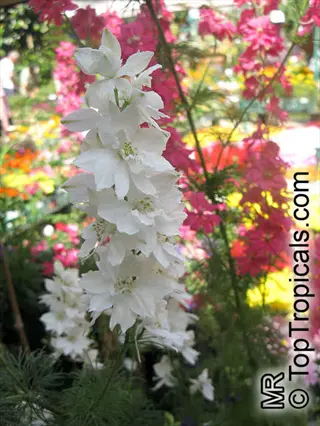
Pacific Giant Galahad
- Height: Reaches 4 to 6 feet (1.2 to 1.8 meters) with pure white double florets that create a stunning vertical column of bloom.
- Bloom Period: Flowers from early to midsummer and responds well to cutting back for a lighter second flush in early autumn.
- Growing Conditions: Requires full sun, rich soil amended with compost, and consistent moisture without waterlogging for best performance.
- Best Use: Ideal for moon gardens, all-white planting schemes, and elegant wedding flower arrangements where height is needed.
- Hardiness: Hardy in USDA Zones 3 through 7 with good winter survival when mulched after the first hard frost of the season.
- Special Feature: The white flowers show up brilliantly at dusk and create a luminous effect in evening gardens and photographed arrangements.
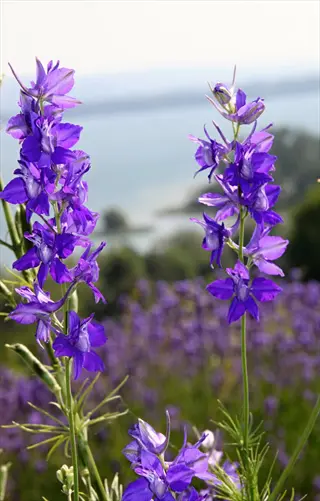
New Millennium Pagan Purples
- Height: Grows 4 to 5 feet (1.2 to 1.5 meters) with dense spikes of purple and violet shades, often with contrasting dark or white eyes.
- Bloom Period: Blooms reliably from June into July, with vigorous regrowth and a strong second flowering if spent stems are removed promptly.
- Growing Conditions: Prefers full sun, fertile well-drained soil, and regular feeding with a balanced liquid fertilizer every two to three weeks.
- Best Use: Works well as a bold color statement in mixed perennial borders, pairing naturally with yellow achillea and orange crocosmia.
- Hardiness: Bred in New Zealand for improved vigor and disease resistance, these plants handle a wider range of conditions than older hybrids.
- Special Feature: The New Millennium breeding program by Dowdeswell produces seed-grown plants that are more consistent in color and habit than Pacific hybrids.
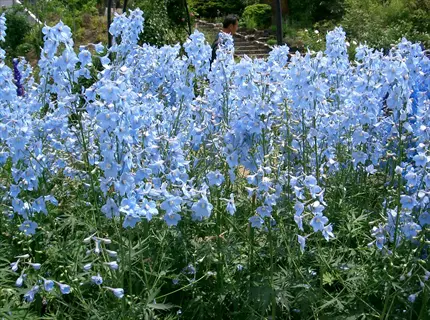
Delphinium Belladonna Group
- Height: Reaches 3 to 4 feet (0.9 to 1.2 meters) with a looser, branching habit that produces multiple smaller flower spikes per stem.
- Bloom Period: Flowers from June through August with a naturally longer season than Elatum types and less need for deadheading to rebloom.
- Growing Conditions: Tolerates slightly less than ideal soil conditions compared to Elatum hybrids, though still needs good drainage and full sun.
- Best Use: Perfect for informal cottage gardens and mixed borders where a lighter, airier look is preferred over dense towering spikes.
- Hardiness: Hardy in USDA Zones 3 through 7 with a reputation for being slightly easier to maintain than the taller Elatum Group varieties.
- Special Feature: The branching growth pattern means each plant produces more individual flower stems, making it excellent for casual cut flower arrangements.
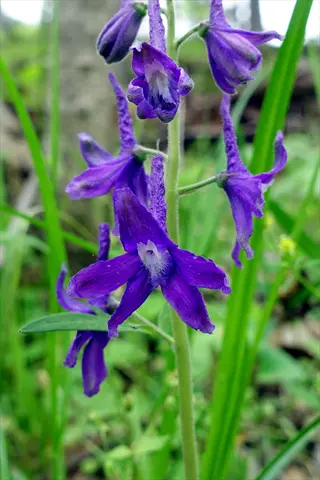
Magic Fountain Series
- Height: Compact at just 2.5 to 3 feet (0.75 to 0.9 meters), making it the best choice for smaller gardens and exposed windy locations.
- Bloom Period: Blooms from early to midsummer with dense flower spikes in mixed colors including blue, pink, white, and lavender shades.
- Growing Conditions: Needs full sun and well-drained soil like taller varieties, but its shorter stature means less staking is usually required.
- Best Use: Ideal for front to middle border placement, container growing in large pots, and gardens where wind makes taller types impractical.
- Hardiness: Performs well in USDA Zones 3 through 7 and handles light wind exposure better than taller hybrids thanks to its sturdy compact form.
- Special Feature: One of the few delphinium series specifically bred for shorter height without sacrificing the classic dense spike flower form.
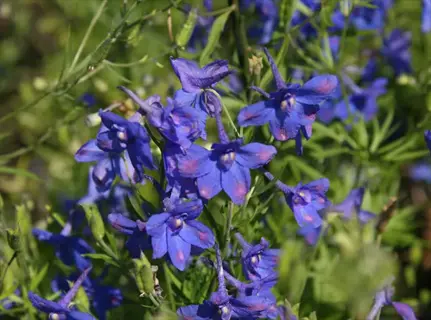
Blue Mirror (Grandiflorum)
- Height: Grows only 12 to 18 inches (30 to 45 centimeters) tall, making it a true dwarf delphinium suited to rock gardens and containers.
- Bloom Period: Produces loose sprays of bright gentian-blue single flowers from June through August with a long and generous blooming window.
- Growing Conditions: Prefers full sun and well-drained sandy or loamy soil, tolerating slightly drier conditions than the taller Elatum hybrids.
- Best Use: Excellent for rock gardens, alpine troughs, front-of-border edging, and window box containers where height must stay low and compact.
- Hardiness: Hardy in USDA Zones 3 through 8, making it one of the more heat-tolerant delphiniums available for warmer southern gardens.
- Special Feature: The Grandiflorum group (also called Chinese or Siberian delphinium) offers a more relaxed, wildflower-like appearance compared to formal Elatum spikes.
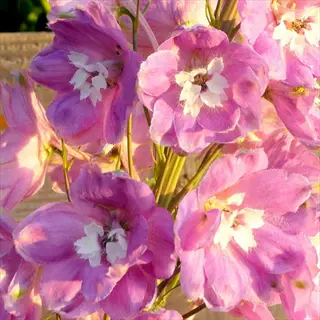
Pink Punch (Elatum Hybrid)
- Height: Reaches 4 to 5 feet (1.2 to 1.5 meters) with striking pink to rose-colored semi-double flowers arranged in dense vertical spikes.
- Bloom Period: Blooms in June and July with dense flower spikes that make an immediate visual impact in mixed perennial borders and cutting gardens.
- Growing Conditions: Requires rich, well-drained soil, full sun, and regular feeding to produce the best color intensity and the tallest spike height.
- Best Use: Creates a soft romantic effect when planted alongside lavender, blue salvias, and white phlox in cottage-style or pastel-themed garden designs.
- Hardiness: Hardy in USDA Zones 3 through 7, performing best in regions with cool nights and moderate summer humidity levels for disease prevention.
- Special Feature: Pink delphiniums are less common than blue varieties, making Pink Punch a standout choice for gardeners seeking an unusual color palette.
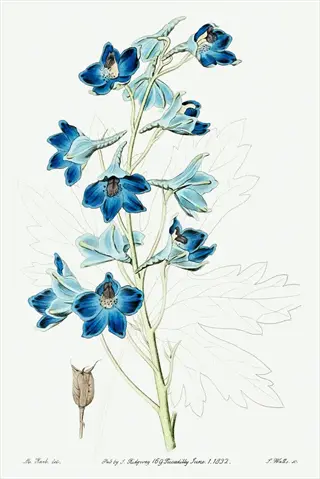
Guardian Blue (Elatum Hybrid)
- Height: Grows 3 to 4 feet (0.9 to 1.2 meters) with strong stems that resist wind damage better than many older tall delphinium varieties.
- Bloom Period: Flowers from June through July with vivid medium-blue florets and a white eye center, often reblooming in September after cutting back.
- Growing Conditions: Performs best in full sun with fertile, well-drained soil and benefits from a balanced slow-release fertilizer applied in early spring.
- Best Use: Works as a reliable middle-border perennial that bridges the gap between dwarf and giant types in height and maintenance requirements.
- Hardiness: Hardy in USDA Zones 3 through 7 with improved disease resistance compared to many Pacific Giant selections, reducing maintenance effort.
- Special Feature: The Guardian series was bred for stronger stems and improved garden performance, making it one of the most practical choices for home gardeners.
Delphinium Meaning and Colors
Every delphinium color tells its own story, and the delphinium meaning goes back centuries. During the Victorian era, people used flowers to send secret messages. This practice was called floriography. Delphiniums stood for protection and a light heart, which made them a popular pick for gifts between close friends.
Delphinium symbolism still shapes how florists use these blooms today. Blue delphiniums carry a message of dignity and grace. Pink types speak of affection and romance. White blooms stand for purity and fresh starts. The delphinium color meaning you choose changes the whole tone of your bouquet or garden design.
Delphiniums are the official July birth flower, so they make a thoughtful gift for anyone born in midsummer. The delphinium wedding meaning adds another layer. Brides pick blue and white spikes for bouquets and arches. Those colors suggest loyalty and new starts. I've seen wedding planners build entire color themes around a single spike of blue delphinium.
The blue delphinium meaning of dignity pairs well with formal events like graduations and award dinners. Purple blooms connect to royalty and first love, while lavender shades hint at sweet devotion. Knowing these meanings helps you choose the right color for every occasion in your life.
Growing Delphiniums at Home
Learning how to grow delphiniums starts with picking the right spot in your yard. Full sun means 6 to 8 hours of direct light each day, about the same amount a tomato plant needs to set fruit. I lost my first batch because I planted them in partial shade next to a fence. They grew tall but barely bloomed at all.
Planting delphiniums works best in USDA zones 3 through 7, where cool summers and cold winters match what these plants want. You need well-drained soil with a slight lean toward alkaline, so test your soil pH before you dig. If you live south of Zone 7, treat them as winter annuals. In warm spots like Florida, plant in fall and pull them out before the summer heat kills them.
Your cottage garden will look its best when you give your delphiniums shelter from wind. A wall, fence, or tall hedge works great as a backdrop. Seeds take 21 to 28 days to sprout, and fresh seeds give you much better results than old ones from the back of a drawer. Place your plants in alkaline soil with good drainage, and you'll set them up for strong growth all season.
Sunlight and Location
- Light Needs: Delphiniums need six to eight hours of direct sunlight per day, positioned in a spot that gets morning sun with light afternoon shade in hot regions.
- Wind Protection: Choose a location sheltered from strong winds by a wall, fence, or hedge, since tall flower spikes snap easily in exposed garden areas.
- Spacing: Plant delphiniums 18 to 24 inches (45 to 60 centimeters) apart to allow good air circulation, which helps prevent powdery mildew and fungal diseases.
Soil and Drainage
- Soil Type: Delphiniums prefer fertile, humus-rich soil that drains freely, amended with generous amounts of compost or well-rotted manure before planting.
- Soil pH: Aim for neutral to slightly alkaline soil with a pH between 7.0 and 7.4, testing your soil before planting and adding lime if it tests acidic.
- Drainage Fix: On heavy clay soils, add horticultural grit or perlite to the planting hole and raise the bed slightly to prevent waterlogging around the crown.
Climate and Hardiness Zones
- Zone Range: Most delphinium cultivars perform best in USDA Hardiness Zones 3 through 7 where cool summers and cold winters match their natural preferences.
- Warm Climate Tip: In Zones 8 and 9, treat delphiniums as winter annuals by planting in fall for spring blooms, then removing plants before summer heat arrives.
- Cool Climate Advantage: Regions with cool, moist summers such as the Pacific Northwest and northern Europe produce the tallest and most floriferous delphinium displays.
Planting Time and Method
- When to Plant: Set out nursery-grown plants in early spring once the soil is workable, or start seeds indoors eight to ten weeks before the last expected frost date.
- Planting Depth: Place the crown of the plant at soil level, never buried, since crowns sitting in damp soil below grade are prone to rot and fungal infection.
- First Year Care: Water new transplants thoroughly and apply a 2 inch (5 centimeter) layer of organic mulch around the base, keeping it away from the crown.
Care and Maintenance Tips
Good delphinium care takes effort, but the payoff is worth every minute you spend. These are high-maintenance plants that need your attention from early spring through winter. I've been tending my own patch for years, and checking on them every few days has made all the difference in bloom quality.
Staking delphiniums is the first task most growers forget until it's too late. Push your stakes in when stems hit 12 inches tall and tie them loose with soft twine. Watering delphiniums means giving them a deep soak once a week instead of light sprinkles every day. Feed them with a balanced liquid fertilizer every 2 to 3 weeks during bloom for the best spike size.
Deadheading is your ticket to a second flush of flowers in late summer. Cut spent spikes all the way down to the base and new shoots will push up within weeks. Cutting back this way also keeps the plant from wasting energy on seeds. Slugs love new delphinium growth, so try a garlic drench around the base in early spring to keep them away.
You should know that delphiniums are short-lived perennials that last about 2 to 3 years before they fade. Divide your clumps every 3 to 4 years to keep them going. When you stay on top of your fertilizing and pest control, you'll stretch their life as far as it can go.
Propagation Methods
Delphinium propagation gives you 3 main paths to new plants. Growing delphinium from seed is the cheapest route, but your delphinium seeds won't come true to color if you're working with hybrids. Fresh seeds give you a much better germination rate than old packets, so buy new each spring.
Basal cuttings are the fastest route to an exact copy of your favorite plant. I've used this method to clone a stunning blue spike that I didn't want to lose. Cold stratification can help stubborn seeds sprout by tricking them into thinking winter has passed. Dividing delphiniums every 3 to 4 years keeps older clumps alive and gives you free plants to fill gaps in your border.
Growing from Seed
- Timing: Start seeds indoors eight to ten weeks before the last frost, sowing on the surface of moist seed compost and covering lightly with vermiculite.
- Temperature: Seeds germinate best at 60 to 65 degrees Fahrenheit (15 to 18 degrees Celsius) in darkness, covered with a dark cloth or newspaper for 21 to 28 days.
- Cold Stratification: For stubborn seeds, place them in a sealed bag with moist sand in the refrigerator for two weeks before sowing to break dormancy naturally.
- Transplanting: Once seedlings develop two true leaves, prick them out into individual pots, harden off for one week, then plant outdoors after the last frost.
Taking Basal Cuttings
- When to Cut: Take basal cuttings in early spring when new shoots are 3 to 4 inches (7 to 10 centimeters) tall, cutting them cleanly at the base with a sharp knife.
- Preparation: Dip the cut end in rooting hormone powder, then insert into pots filled with a mix of peat-free compost and perlite or vermiculite for drainage.
- Rooting Environment: Place cuttings in a cold frame or cover with a clear plastic bag to maintain humidity, keeping the compost moist but not waterlogged.
- Success Rate: Basal cuttings typically root within three to four weeks and produce plants identical to the parent, making this the best method for preserving named varieties.
Dividing Established Plants
- Best Timing: Divide delphiniums in early spring just as new growth emerges, typically every three to four years when the center of the clump becomes woody or bare.
- Method: Lift the entire plant with a garden fork, shake off excess soil, and use a sharp knife to separate the crown into sections with at least three healthy shoots each.
- Replanting: Replant divisions immediately at the same depth they were growing, water thoroughly, and apply a thin layer of mulch to retain moisture around the roots.
- Recovery: Divided plants may produce smaller flower spikes in their first season but will return to full size by the second year with proper feeding and watering.
Self-Seeding in the Garden
- Natural Process: Delphiniums will self-seed if spent flower heads are left on the plant, dropping seeds around the base that germinate the following spring season.
- Color Variation: Self-sown seedlings rarely match the parent plant in color or form because most garden delphiniums are complex hybrids that do not breed true.
- Management: Allow a few seed pods to mature on one spike for natural seeding, then deadhead the remaining spikes to redirect energy into root and crown development.
- Thinning Seedlings: Remove unwanted self-sown seedlings in spring to prevent overcrowding, or transplant them to new locations before they develop deep taproots.
Delphiniums as Cut Flowers
Delphinium cut flowers bring tall, dramatic color into your home that few other blooms can match. When I first started cutting delphiniums from my garden, I was shocked at how long the spikes lasted in a vase. In my experience, the right method makes all the difference between blooms that wilt in 2 days and ones that last over a week.
The trick starts in the garden. Cut your stems at a 45 degree angle in the early morning when the lowest third of florets have opened. Delphiniums have hollow stems, so flip the stem upside down and fill it with water after you cut it. Then plug the end with cotton or slide a thin stick inside to keep the stem from falling over. This hollow stems fix is a pro tip that most guides skip over.
Your delphinium flower arrangement will last 7 to 10 days in clean, cool water if you change it every 2 to 3 days. Keep your vase away from fruit bowls because the gas that fruit gives off makes petals drop faster. I tested this with my own arrangements and the difference was clear.
Delphinium wedding flowers have become a top pick for brides who want height and blue tones in their delphinium bouquet designs. They pair well with roses, hydrangea, and scabiosa for a full, layered look. The vase life you get from these spikes makes them a smart choice for events that run all day.
Cutting and Conditioning
- When to Cut: Harvest delphiniums in the early morning when the lowest third of florets on the spike have opened but the top buds are still tightly closed.
- Cutting Angle: Use sharp, clean secateurs to cut stems at a 45-degree angle, which increases the surface area for water uptake and prevents the stem from sitting flat.
- Hollow Stem Fix: After cutting, turn the stem upside down and fill the hollow center with water, then plug the end with cotton or insert a thin stick to keep it supported.
Extending Vase Life
- Water Care: Place stems in clean cool water immediately after cutting and change the water every two to three days to prevent bacterial buildup that shortens life.
- Location: Display arrangements in a cool spot away from direct sunlight, heating vents, and fruit bowls since ethylene gas from ripening fruit causes petals to drop faster.
- Expected Life: With proper care, delphinium cut flowers last seven to ten days in a vase, making them one of the longer-lasting tall spike flowers for indoor display.
Wedding Flower Uses
- Bouquets: Shorter delphinium stems work as filler flowers in bridal bouquets, adding height and a cascade of blue or white blooms alongside roses and peonies.
- Centerpieces: Full-length spikes create dramatic tall centerpieces for reception tables, standing well above other flowers and drawing the eye upward for a grand effect.
- Ceremony Arches: Wire delphinium spikes along ceremony arch frames for a lush cascading look that pairs naturally with trailing greenery and garden roses.
Drying Delphinium Petals
- Air Drying Method: Hang individual flower spikes upside down in a warm, dry, dark room for two to three weeks until the petals are completely dry and papery.
- Pressing Petals: Remove individual florets and press them between sheets of parchment paper inside heavy books for two weeks to create flat dried flowers for crafts.
- Confetti Use: Dried delphinium petals make a beautiful and biodegradable confetti option for weddings, tossing gently in the air as the couple exits the ceremony.
5 Common Myths
Delphiniums only grow in blue, so gardeners who want other colors should look elsewhere for tall perennial spikes.
Delphiniums come in a wide range of colors including purple, pink, white, lavender, and even red, with hundreds of cultivars available.
Delphiniums and larkspurs are exactly the same plant, so the names can be used interchangeably without any difference.
Modern taxonomy separates perennial delphiniums (genus Delphinium) from annual larkspurs (genus Consolida), though both belong to the buttercup family.
Once delphiniums finish blooming in early summer, the show is over and no more flowers will appear that year.
Cutting spent flower spikes back to the base encourages a second flush of blooms in late summer or early fall in most varieties.
Delphiniums are completely safe to handle and pose no risk to gardeners or pets in the garden setting.
All parts of delphiniums contain toxic diterpenoid alkaloids that can cause skin irritation on contact and serious illness if ingested by humans or animals.
Delphiniums need acidic soil like blueberries and azaleas to grow well and produce strong flower spikes.
Delphiniums actually prefer neutral to slightly alkaline soil with a pH between 7.0 and 7.4, enriched with organic matter for good drainage.
Conclusion
The delphinium flower has earned its place as one of the most rewarding perennial flowers you can grow in a cottage garden. Tall Pacific Giants and compact dwarf types give you options for every border. I've grown dozens of these plants over the years, and the sheer range of colors and heights still surprises me each season.
Growing delphiniums takes more work than most perennials, but the results make it all worth it. Stick to a seasonal delphinium care plan of staking, feeding, and deadheading. You'll see blooms twice a year that way. These plants have been around for over 24 million years and more than 90% of wild species depend on bees. When you plant them, you're adding real value for pollinators like bumblebees and butterflies.
Pick the right variety for your zone, give it full sun and alkaline soil, and your delphiniums will reward you with spikes that steal the show. The care is worth the effort when you see those tall blooms rise above your border in midsummer.
This is a great season to put your first delphinium in the ground. Those little dolphin shaped buds will open into blooms that change the look of your whole garden. Start with one plant and I'm willing to bet you'll be planning a full row by next spring.
External Sources
Frequently Asked Questions
Do delphinium come back every year?
Delphiniums are short-lived perennials that typically return for two to three years in USDA Zones 3 through 7, though they may need replanting after that period.
What does the delphinium flower symbolize?
The delphinium flower symbolizes cheerfulness, goodwill, and protection, with each color carrying its own meaning such as blue for dignity and pink for affection.
Do delphiniums like sun or shade?
Delphiniums prefer full sun with six to eight hours of direct sunlight daily, though they benefit from light afternoon shade in hot climates.
Is delphinium poisonous to humans?
Yes, all parts of the delphinium are poisonous to humans, containing diterpenoid alkaloids that can cause nausea, muscle weakness, and in severe cases respiratory paralysis.
Is it okay to touch delphinium?
Touching delphiniums can cause mild skin irritation in sensitive individuals, so wearing gloves when handling them is recommended.
Can you winter so delphinium?
Yes, you can overwinter delphiniums by cutting stems back after frost, applying mulch around the crown, and ensuring good drainage to prevent root rot.
Are delphiniums hard to grow?
Delphiniums are considered high-maintenance plants that require staking, regular feeding, slug protection, and well-drained alkaline soil to perform their best.
What flower is called the poor man's rose?
The flower called the poor man's rose is not the delphinium but rather the peony or sometimes the carnation, depending on regional tradition.
Which flower represents narcissism?
The narcissus flower, commonly known as the daffodil, represents narcissism due to its connection to the Greek myth of Narcissus.
What are common problems with delphiniums?
Common problems with delphiniums include slugs and snails, powdery mildew, crown rot from waterlogged soil, black blotch, and wind damage to tall stems.