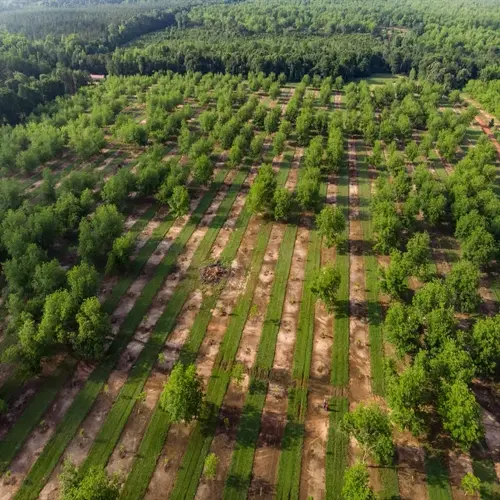

Yes, sometimes, but a lone yard walnut is a very different sale from a woodland harvest. A logger buying woods gets dozens of straight trunks in one trip and one setup. Selling a black walnut tree that stands alone means a buyer sends a crew out for a single log. That crew still has to haul in a truck, a loader, and a saw team. The whole cost lands on your one tree, so the log has to be worth the drive. Often it is not, and the tree stays put.
That single-log math is why many owners never sell black walnut timber from their yard at all. Mills run on volume, and one trunk rarely pays for the fuel, labor, and gear a buyer brings to reach you. Walnut is still the most prized hardwood in North America, so a great log can bring real money. The wood goes into gun stocks, fine furniture, and thin veneer for cabinets. But the value sits in tall, clean, wide trunks. A short yard tree with big low limbs does not fit that mold.
Before you name any dollar figure, get the tree appraised. A consulting forester or a seasoned timber buyer will size up the trunk in person. They check for a clear, straight section with no big knots or forks. Most sawmills want a small end of at least 12 inches across. Veneer buyers want more, often 16 inches or wider, plus a run of clean wood. A trunk like that is rare in a yard, where trees grow with room to spread out. Short, forked, or crooked trunks bring almost nothing.
Yard trees hide metal. Old nails, fence staples, and clothesline hooks get buried as the wood grows over them. One hidden spike can shatter a saw blade or wreck a costly veneer knife. Because a single strike can cost hundreds of dollars, many black walnut tree buyers turn down yard logs on sight.
You can lower that fear a little. Point out where old hardware might sit and be honest about the tree's history. Some buyers will run a metal detector down the trunk before they commit. Even then, they price a yard log below a forest log to cover the gamble. The safest logs come from open fields far from old fence lines and buildings. A tree that grew beside a driveway or a shed carries the most doubt.
Removal is the other big piece, and it is not cheap. Felling a mature walnut next to a house takes care so limbs miss the roof and the wires. A tree service may need a crane for the biggest ones. Taking one down can run $800 to $2,000 or more, based on size and access. Some buyers fold that cost into their offer, while others leave it on you. Ask who pays for the felling before you shake on any deal.
- Call first: Reach out to your state forestry office or a consulting forester before you talk to any buyer.
- Get it graded: Have them judge the trunk size, straightness, and grade so you know if a mill will bite.
- Price the removal: Get a tree-service quote, since dropping a big walnut next to a house takes real care.
- Do the math: Set the log offer against the removal bill before you sign anything.
Selling a black walnut tree from a lawn is rarely the windfall people picture. A single yard log might bring only a few hundred dollars unless it is a true standout. Set that against a four-figure removal bill and the math often flips. Start with your state forestry office, since many offer free advice and a list of trusted foresters. Get that honest read first. Then keep the shade, or take the deal, with your eyes open.
Read the full article: Black Walnut Tree: Growing, Nuts, and Value