
Eggshells don't provide nearly enough calcium to prevent blossom end rot because they take a long time to decompose. You've got to finely grind them and add them several months before planting if you want to release the nutrients. That's in part why calcium supplements are often insoluble; if you need calcium for your tomatoes when they're growing fruit, you want something like gypsum that's available immediately. If you rely only on eggshells for your calcium, you'll be sorely disappointed.
Eggshells Prepare them by baking at 200°F. (93°C.) for 30 minutes, then grind to powder. Mix one cupful with the soil of each planting hole six months before transplanting. This slow process more closely approximates natural conditions and, of course, is no less effective. I planted tomatoes without preparation, and they were no better than the rest.
Decomposition Rate
- Takes 6-12 months to release significant calcium
- Surface area matters: Powder works better than chunks
- Microbial activity speeds breakdown in warm soils
Absorption Barriers
- Low solubility in neutral pH soils
- Requires acidic conditions for calcium release
- Roots cannot access intact shell fragments
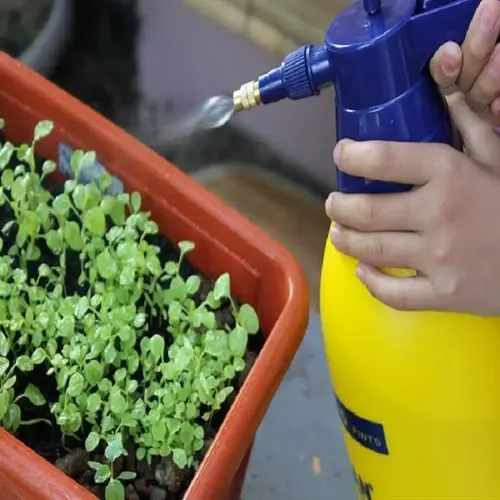
Use "fast-acting alternatives" when plants show symptoms of calcium deficiency. Use gypsum, two tablespoons per gallon of soil, at the time of planting. For established plants, spray calcium nitrate solution every week. They deliver calcium when the fruit is rapidly expanding. I switched to gypsum and eliminated blossom end rot.
Combine eggshells with other methods for optimal results. Use them when it's time to prepare the beds for fall. Then add liquid calcium to the flower to help feed the plants in the short term. This layered approach addresses both the long-term and immediate needs. The combination works well for my current system as well.
If you've only used eggshells in your soil amendments, keep your eyes open for the first signs of blossom end rot in your plants showing symptoms. If you notice any signs of this, have some gypsum or calcium nitrate on hand to treat your plants or beds. Container plants, especially, will need some "instant" supplements. Remember, it's always better to prevent problems than to correct them.
Keep a record of the calcium sources and application dates each season. Observe how your tomatoes respond and adjust as necessary! Eggshells are most effective when used as part of a larger plan. Combine them with soil pH management and consistent watering, and your home-grown crops will thank you!
Read the full article: Prevent Blossom End Rot: Ultimate Garden Guide