
Introduction
Blue is the rarest color in the plant world, yet the blue hosta pulls it off with a trick that has nothing to do with pigment. A waxy glaucous coating on each leaf scatters light to create that cool, misty blue tone. Pick up a fresh blueberry and rub the dusty film off with your thumb. That's the same type of natural wax that gives blue hosta varieties their look.
I got hooked on these shade perennials about 8 years ago when I saw a blue patch in my neighbor's yard. The US hosta industry ships over 14 million potted plants each year worth $58.375 million at wholesale. Out of 6,100 registered varieties, blue types stand apart because of how they get their color.
Standard hosta guides won't help you much with blue types. The glaucous coating that makes them blue breaks down from sun, heat, and overhead watering. Every care choice you make either protects that wax or strips it away. That one detail changes how you water, where you plant, and which fertilizer you choose.
In my experience, this guide gives you the best blue hosta varieties for every garden size and the science behind their color. You'll find care steps that keep them blue all season. I also share companion plant pairings and container tips most growers learn the hard way.
10 Best Blue Hosta Varieties
I've grown over 30 blue hosta varieties in my own garden and tested each one for color, toughness, and ease of care. The AHS sorts them into size classes from Miniature under 6 square inches of leaf area up to Giant at 120 square inches or more. These 10 picks include dwarf blue hostas for small pots and large blue hosta varieties that fill a whole bed.
Each variety earned its spot based on how well it holds blue color and how easy it is to find at your local garden center. I rated them on looks, growth speed, and how forgiving they are for you as a newer grower. You'll see the Halcyon hosta, Blue Mouse Ears hosta, and Blue Angel hosta at the top. But every plant on this list brings something unique to your yard.
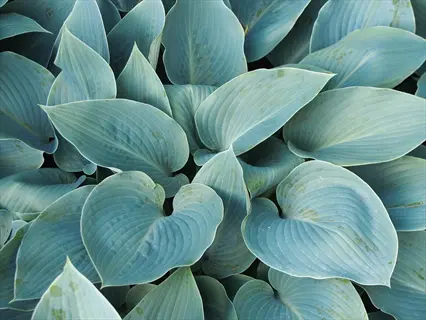
Halcyon
- Size: Medium hosta reaching 14 to 18 inches (36 to 46 centimeters) tall and 28 to 36 inches (71 to 91 centimeters) wide at maturity after 3 to 5 years.
- Foliage: Thick, spear-shaped leaves with an intense powder-blue color and smooth texture that holds its waxy coating longer than many other varieties.
- Best for: Foundation blue hosta for any shade garden, borders, mass plantings, and containers due to its reliable color and compact habit.
- Growth: One of the famous Tardiana hybrids bred by Eric Smith in England, known for holding blue color well into summer even in warmer zones.
- Flowers: Produces dense clusters of lavender-purple flowers on short stems in midsummer that attract bees and butterflies to the shade garden.
- Care tip: Performs best in full shade with consistent moisture and benefits from a 2 to 4 inch (5 to 10 centimeter) layer of organic mulch around the base.
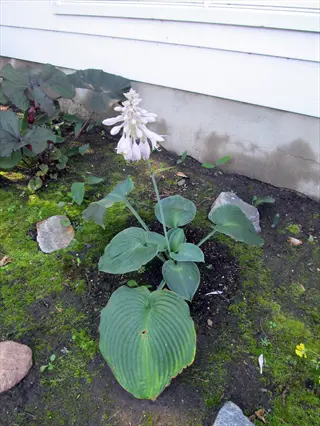
Blue Angel
- Size: Giant hosta reaching 30 to 36 inches (76 to 91 centimeters) tall and 48 to 72 inches (122 to 183 centimeters) wide, making it one of the largest blue varieties.
- Foliage: Enormous heart-shaped leaves with a waxy blue-gray coating and wavy edges that create a dramatic tropical appearance in your shade garden.
- Best for: Focal point plantings, large shade beds, and areas where a single bold statement plant is needed to anchor the design.
- Growth: Reaches impressive proportions in 4 to 5 years when given adequate moisture and rich soil, and experts suggest not dividing large clumps.
- Flowers: Tall stems of white, fragrant flowers appear in late summer and can reach well above the foliage mound.
- Care tip: Provide deep, humus-rich soil and consistent watering of 1 inch (2.5 centimeters) per week to support the large leaf surface area.
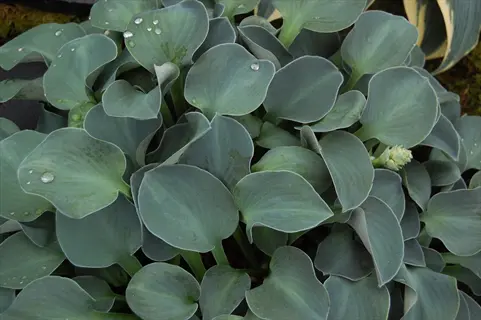
Blue Mouse Ears
- Size: Miniature hosta reaching just 6 to 8 inches (15 to 20 centimeters) tall and 12 inches (30 centimeters) wide, perfect for tight spaces and containers.
- Foliage: Round, thick, cupped leaves with a blue-green color and heavy substance that gives them strong slug resistance compared to thin-leaved varieties.
- Best for: Rock gardens, container plantings, fairy gardens, border edging, and small shaded areas where larger hostas would overwhelm the space.
- Growth: Part of the popular Mouse series of miniature hostas that includes Snow Mouse, Holy Mouse Ears, and School Mouse as related cultivars.
- Flowers: Short clusters of lavender-purple bell-shaped flowers appear in midsummer on stems just above the compact leaf mound.
- Care tip: Great container variety that thrives in small pots with good drainage and consistent moisture through the growing season.
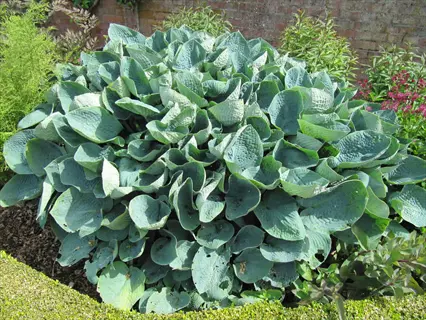
Big Daddy
- Size: Large hosta growing 24 to 30 inches (61 to 76 centimeters) tall and 36 to 48 inches (91 to 122 centimeters) wide with an imposing rounded form.
- Foliage: Puckered, cupped, and corrugated blue leaves with a thick waxy coating that resists fading better than smooth-leaved blue varieties.
- Best for: Specimen plantings, large shade borders, and woodland gardens where the textured foliage adds depth and visual interest.
- Growth: Slow to establish but develops a grand form after 4 to 5 years with more corrugated leaves as the plant matures.
- Flowers: White flowers appear on short scapes in early to midsummer, sitting close to the foliage mound rather than towering above it.
- Care tip: The cupped leaves can trap water and debris, so plant in an area with good air flow to reduce the chance of fungal issues.

Abiqua Drinking Gourd
- Size: Large hosta reaching 18 to 22 inches (46 to 56 centimeters) tall and 36 to 48 inches (91 to 122 centimeters) wide with a distinctive mounding form.
- Foliage: Cupped, puckered blue leaves shaped like scoops that hold water after rain, giving this cultivar its memorable name.
- Best for: Shade gardens where unique leaf texture is prized, collector plantings, and areas where you want dramatic foliage next to smoother-leaved companions.
- Growth: Moderate growth rate with more impressive cupping as the plant matures over 3 to 5 years into an established clump.
- Flowers: Pale lavender to near-white flowers appear in midsummer on stems that emerge just above the leaf mound for a subtle display.
- Care tip: The cup-shaped leaves can collect overhead irrigation, which may strip the waxy coating faster, so water at soil level with drip lines.
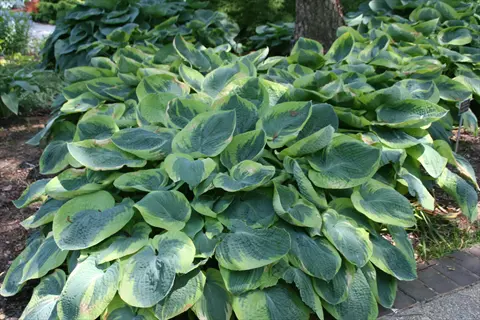
Frances Williams
- Size: Large hosta reaching 24 to 30 inches (61 to 76 centimeters) tall and 48 to 60 inches (122 to 152 centimeters) wide with a bold, spreading habit.
- Foliage: Blue-green puckered leaves with irregular golden-yellow margins that provide strong contrast and make this a variegated blue standout.
- Best for: Gardens where you want both blue tones and bright edging in a single plant, mixed borders, and as a bridge between blue and gold hosta groupings.
- Growth: Named after Frances Ropes Williams, one of the first landscape architects to graduate from MIT, this cultivar has been a garden staple for decades.
- Flowers: White flowers bloom on tall scapes in early summer, adding a vertical element that complements the broad, spreading foliage mound.
- Care tip: The golden margins can scorch in too much sun while the blue center needs shade, so plant in dappled light filtered through high tree canopy.

Blue Ivory
- Size: Medium hosta growing 12 to 16 inches (30 to 41 centimeters) tall and 24 to 36 inches (61 to 91 centimeters) wide with an elegant mounding shape.
- Foliage: Thick, blue-green leaves with creamy-white margins that brighten shaded areas and provide strong contrast against darker garden backgrounds.
- Best for: Container plantings, mixed shade borders, and areas near garden paths where the attractive variegation can be enjoyed up close.
- Growth: A sport of Halcyon that maintains the parent plant's great foliage substance and adds striking white edging for a refined appearance.
- Flowers: Lavender flowers bloom in midsummer on stems rising above the compact foliage, and they work well as cut flowers in arrangements.
- Care tip: The white margins are more sensitive to sun scorch than the blue center, so position in consistent shade with morning light filtered through tree canopy.

Blue Cadet
- Size: Small to medium hosta reaching 10 to 14 inches (25 to 36 centimeters) tall and 24 to 30 inches (61 to 76 centimeters) wide with a dense, rounded form.
- Foliage: Heart-shaped, blue-green leaves with a smooth texture and reliable waxy coating that makes this one of the most consistent blue performers you can buy.
- Best for: Groundcover plantings, border edging, mass planting under trees, and gardens where steady blue color is more important than dramatic size.
- Growth: One of the most common blue hostas on the market, available at garden centers and nurseries at standard perennial prices.
- Flowers: Attractive lavender-purple flowers bloom in great numbers in midsummer and sit on stems well above the neat foliage mound.
- Care tip: Tolerates more light than other blue hostas while keeping good color, making it a forgiving choice for newer shade gardeners.
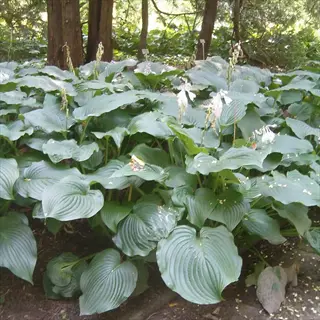
Blue Mammoth
- Size: Giant hosta reaching 30 to 36 inches (76 to 91 centimeters) tall and 60 to 72 inches (152 to 183 centimeters) wide, rivaling Blue Angel in stature.
- Foliage: Massive, corrugated blue leaves with thick substance and deep puckering that holds the waxy coating well into summer.
- Best for: Large landscape jobs, woodland gardens, and properties where oversized plants create natural focal points without other decoration.
- Growth: Descended from Hosta sieboldiana Elegans, this cultivar needs 4 to 5 years to reach its full impressive size and deepest blue coloring.
- Flowers: Near-white flowers appear in early summer on short scapes that stay close to the top of the massive foliage mound.
- Care tip: Give this variety at least 36 inches (91 centimeters) of clearance on all sides at planting time to fit its eventual spread.
Diamond Lake
- Size: Large hosta reaching 20 to 24 inches (51 to 61 centimeters) tall and 36 to 48 inches (91 to 122 centimeters) wide with a full, rounded mound.
- Foliage: Frosty blue leaves with a smooth, powdery coating and ruffled edges that catch light in shaded garden settings.
- Best for: Featured shade garden plantings, mixed perennial borders, and areas where a modern, award-winning cultivar adds prestige to your collection.
- Growth: Winner of the 2022 Proven Winners National Hosta of the Year award, part of the Shadowland collection bred for superior garden performance.
- Flowers: Lavender flowers appear in midsummer on sturdy scapes, attracting pollinators including hummingbirds to your shade garden.
- Care tip: Benefits from consistent moisture and a spring application of balanced organic fertilizer followed by a second feeding before flowering in early summer.
Your best starting point depends on the space you have and your level of experience. The Big Daddy hosta and Abiqua Drinking Gourd need patience since they take 4 to 5 years to show their best form. For faster results, grab a Halcyon or Blue Cadet and watch them fill in within 2 to 3 seasons.
Blue Hosta Care Essentials
Blue hosta care comes down to one goal: protect the waxy coating that gives your leaves their color. Every step you take in the garden either saves that wax or wears it away. I learned how to grow blue hostas through years of trial and error, and the blue hosta shade requirements matter more than any other single factor. Most blue hostas thrive in hosta hardiness zones 3 through 8, but your shade setup makes or breaks the color no matter where you live.
The tips below focus on what blue types need beyond standard hosta advice. I use a blue hosta fertilizer plan and watering method that keeps my plants looking fresh from spring through fall. You can do the same with these 5 care basics that target color above all else.
Light and Shade Needs
- Shade level: Blue hostas need heavy to full shade with no more than 1 to 2 hours of early morning sun to keep their waxy glaucous coating intact throughout the season.
- Why it matters: Direct sunlight and high temperatures break down the epicuticular wax layer that creates the blue appearance, causing leaves to fade to green by midsummer.
- Best placement: Plant under deciduous trees, on the north side of buildings, or in areas that receive bright indirect light without direct sun exposure after midmorning.
- Zone considerations: In USDA zones 7 through 9, blue hostas lose their coating faster due to heat and need deeper shade than the same varieties planted in zones 3 through 6.
Watering for Color Retention
- Weekly amount: Provide 1 inch (2.5 centimeters) of water per week through consistent, even application at soil level using drip irrigation or soaker hoses.
- Avoid overhead watering: Sprinklers and overhead watering strip the waxy coating off blue hosta leaves, speeding up the fade from blue to green.
- Soil moisture check: Blue hostas prefer moist but not waterlogged soil, so check the top 2 inches (5 centimeters) of soil before each watering session.
- Morning watering: Water early in the day to allow the soil to absorb moisture before afternoon heat, reducing evaporation and keeping roots hydrated.
Soil and Mulching
- Soil type: Blue hostas thrive in rich, humus-heavy, well-draining soil with a neutral pH, amended with compost or aged organic matter before planting.
- Mulch depth: Apply 2 to 4 inches (5 to 10 centimeters) of organic mulch like shredded bark or leaf mold around the base, keeping mulch away from the central crown.
- Soil testing: UMN Extension recommends testing soil every 3 to 5 years to ensure nutrient levels and pH remain in the best range for healthy hosta growth.
- Drainage: Poor drainage leads to crown rot and root issues, so amend heavy clay soil with compost and perlite to improve both drainage and moisture retention.
Feeding and Fertilizing
- Schedule: Fertilize twice per season: first in spring as new leaves emerge from the ground, and again just before flowering begins in early to midsummer.
- Type: Use a balanced slow-release organic fertilizer or composted manure worked into the soil surface around the plant without disturbing roots.
- Cutoff date: Stop all fertilizing after the end of July to allow plants to harden off before the fall dormancy period begins.
- Heavy feeders: Despite their reputation as low-maintenance plants, hostas are heavy feeders that respond well to consistent nutrition with larger leaves and better color.
Division and Propagation
- Timing: Divide blue hostas in early spring just as the pointed leaf tips emerge from the soil, which is the least stressful time for the plant.
- Frequency: ISU Extension recommends dividing every 5 to 7 years to maintain plant health, remove dead centers, and create new plants for other garden areas.
- Method: Lift the entire clump with a garden fork, wash soil from roots, and use a sharp knife to cut through the crown, ensuring each division has at least 3 growing eyes.
- Seed vs division: While seed germination takes 15 to 90 days and plants need 3 years to reach flowering size, division produces mature-looking plants in the first season.
Science Behind the Blue Color
The blue color on your hosta isn't a pigment at all. It comes from a layer of epicuticular wax hosta growers call the glaucous coating. This wax sits on the leaf surface and scatters light so green leaves look blue to your eyes. The same waxy coating blue hosta fans love also shows up on grapes, plums, and blue spruce needles.
A major 2021 study counted over 200 chemical compounds across roughly 50 Hosta species. That rich leaf chemistry explains why some cultivars make thicker wax than others. The wax sits in tiny crystal structures on the leaf that break up light waves. When it's thick and intact, you see blue. When it wears thin, the green pigment shows through.
You'll notice your blue hosta turn green as summer goes on, and that's normal. Sun, heat, rain, and even touching the leaves strips the wax bit by bit. Blue hosta color preservation depends on how well you shield those wax crystals from damage. The good news is that every spring brings a fresh coat of wax on the new leaves, so the blue comes back each year.
Big Daddy and Abiqua Drinking Gourd have thick, puckered leaves that hold the wax better than smooth types. In my garden, the corrugated varieties stay blue a full 3 to 4 weeks longer than flat blues in the same bed. That's why leaf texture matters just as much as shade placement for your glaucous coating hosta.
The table above shows you what helps and what hurts. The biggest takeaway is simple. Your blue hostas will stay blue longer when you reduce contact with all the things that melt or scrape the wax. Plant in deep shade, water at the soil line, and keep foot traffic away from the leaves.
Companion Plants for Blue Hostas
Knowing what to plant with blue hostas can turn a flat shade bed into a showstopper. Good shade garden design blue hosta lovers use starts with picking the right partners. Your best blue hosta companion plants create a textural contrast shade garden where bold leaves play off fine or feathery forms next to them.
When I first started pairing ferns with hostas, I couldn't believe the difference it made in my beds. ISU Extension confirms that astilbe, goat's beard, and ferns all thrive in the same conditions. Virginia bluebells, columbine, and bloodroot work well too. I group my companions by the visual effect they create rather than just listing random plants.
Give your companions 12 to 18 inches of space from the hosta crown so nothing crowds at maturity. Put ferns and astilbe on the sides, and taller picks like Solomon's seal behind your hostas. I plant Virginia bluebells near the front since they go dormant by summer. The hosta leaves fill that gap as they grow out.
Blue Hostas in Containers
Growing blue hostas in pots gives you control that in ground planting can't match. You can move a blue hosta in containers into deeper shade on hot days and back into brighter spots when you want. This makes a container shade garden hosta setup ideal if your yard gets too much sun for blue types. I keep 6 blue hostas in pots on my north-facing patio, and they hold their color better than the ones in my garden beds.
The best blue hosta for pots depends on how much space you have. A small balcony works great for Blue Mouse Ears in a 12 inch pot. A large patio can handle Halcyon in an 18 to 20 inch container. The blue hosta for containers guide below walks you through everything from pot size to overwintering.
Choosing the Right Container
- Pot size: Match the container to the mature hosta size, with a minimum 12 inch (30 centimeter) diameter for miniatures and 18 to 24 inches (46 to 61 centimeters) for medium and large varieties.
- Material: Choose ceramic, fiberglass, or thick resin pots that insulate roots from temperature swings better than thin plastic or metal containers that heat up quickly.
- Drainage: Ensure at least 2 to 3 drainage holes in the bottom, and elevate pots on feet or pot risers to prevent waterlogging and improve air flow around the base.
Container Soil Mix
- Recipe: Use a blend of quality potting soil, compost, and perlite in roughly equal parts to create a moisture-retentive but well-draining growing medium.
- Avoid garden soil: Never use straight garden soil in containers because it compacts, drains poorly, and can introduce pests and diseases to potted plants.
- Refresh schedule: Replace the top 2 to 3 inches (5 to 8 centimeters) of soil each spring and completely repot every 2 to 3 years to maintain nutrition and structure.
Best Varieties for Pots
- Miniatures: Blue Mouse Ears, Blue Elf, and Snow Mouse thrive in containers as small as 8 to 12 inches (20 to 30 centimeters) in diameter and maintain compact shape.
- Medium varieties: Halcyon, Blue Cadet, and Blue Ivory perform well in 16 to 20 inch (41 to 51 centimeter) containers and add substantial presence to patios.
- Avoid giants: Large varieties like Blue Angel and Blue Mammoth need enormous containers and heavy soil volumes, making them impractical for most container gardens.
Overwintering Potted Blue Hostas
- Zone protection: Container roots are more exposed to cold than in-ground plants, so potted hostas may need protection 1 to 2 zones warmer than their listed hardiness rating.
- Garage method: Move containers into an unheated garage, shed, or protected area once the plant goes dormant in fall, watering lightly once per month to prevent complete root desiccation.
- Insulation option: Wrap containers in bubble wrap or burlap and group pots together against a building wall to share thermal mass during freezing winter months.
Blue Hosta Breeding History
The history of blue hostas starts in the mountains of Japan. Hosta sieboldiana grew wild there for centuries with thick, waxy blue leaves. European plant hunters brought it west in the 1830s. Gardeners loved its bold blue foliage. But the real story took off a century later at an English country estate.
Eric Smith hostas changed everything in the 1960s at Hadspen House in Somerset. He mixed two species to create the Tardiana hybrids hosta group. These Hadspen House hostas include Halcyon, Blue Moon, and Dorset Blue. They gave you intense blue color in a compact size that fit any garden.
In my experience, the Tardiana line still holds up as some of the bluest hostas you can grow. American breeders built on that work in the 1980s and 1990s. They used Tardiana stock to create Big Daddy, Blue Angel, and Blue Mammoth. Blue hosta breeding in that era pushed size limits while keeping the signature wax coating growers wanted.
Today's programs in the 2020s aim for even bluer foliage and better disease resistance. The genus Hosta includes about 50 species from Northeast Asia. Each one carries traits that could improve your next favorite blue cultivar. Nature shaped these plants for centuries. Decades of smart crosses by growers brought them to where you see them today.
5 Common Myths
Blue hostas have true blue pigment in their leaves just like blue flowers do.
The blue appearance comes from a waxy glaucous coating on green leaves that scatters light to create a blue optical illusion.
Blue hostas need full sun for at least a few hours each day to develop strong color.
Blue hostas need heavy shade because sun exposure, heat, and overhead watering break down the waxy coating that creates the blue look.
You can restore a faded green hosta back to blue by moving it into deeper shade.
Once the waxy coating wears off during a growing season, the leaves stay green until new leaves emerge the following spring with a fresh coating.
All blue hostas are large plants that require lots of garden space to grow properly.
Blue hostas range from miniatures like Blue Mouse Ears at 6 inches (15 centimeters) tall to giants like Blue Angel at 3 feet (91 centimeters) tall.
Blue hostas are rare specialty plants that cost much more than regular green hostas.
Many blue hosta varieties like Halcyon and Blue Cadet are widely available at garden centers and nurseries at standard perennial prices.
Conclusion
Growing blue hostas comes down to one simple idea: protect the wax. Every choice you make in your shade garden feeds back into how long that blue color lasts. You now know the best blue hosta varieties for every space, from tiny Blue Mouse Ears for pots to massive Blue Angel for big beds. The right blue hosta care keeps them fresh from spring to fall.
I've watched my own blue hostas improve year after year as they mature. In my experience, the science is clear that thicker wax builds up on older plants, so patience pays off. Give your plants the shade they need and water at the soil line. Pair them with ferns and astilbe for a shade garden that draws attention from across the yard.
Breeders keep pushing for bluer foliage and tougher plants with each new batch of blue hosta varieties. With over 6,100 registered varieties and new ones in trial right now, the future looks bright for blue hosta fans. The $58.375 million hosta market shows that growers love these plants, and the blue segment keeps on growing.
Start with one or two proven picks like Halcyon or Blue Cadet and see how they do in your yard. In 3 to 5 years, you'll have a mature clump with the deepest blue color you've ever seen in a leaf. That's the reward for giving your blue hostas what they need and letting time do the rest.
External Sources
Frequently Asked Questions
Is there a blue-colored hosta?
Yes, many hosta cultivars display blue foliage, though the color comes from a waxy glaucous coating on green leaves rather than true blue pigment.
Are the black and blue hostas real?
Yes, Black and Blue is a real registered hosta cultivar known for its dark blue-green heart-shaped leaves and tall, upright growth habit.
How do you keep blue hostas blue?
Keep blue hostas in heavy shade, water at soil level instead of overhead, and avoid high-traffic areas where leaves get touched frequently.
Do midnight blue hostas exist?
Several hosta cultivars produce very dark blue foliage that gardeners describe as midnight blue, including Abiqua Drinking Gourd and Blue Mammoth.
Are blue hostas hard to grow?
Blue hostas are not difficult to grow and follow the same basic care as other hostas, but they need extra shade to preserve their waxy blue coating.
Where does blue hosta grow?
Blue hostas grow best in USDA hardiness zones 3 through 8 or 9 depending on the variety, thriving in shaded areas with moist, well-drained soil rich in organic matter.
Why is my blue hosta not blue?
Your blue hosta likely lost its waxy glaucous coating due to too much sun exposure, overhead watering, heat stress, or physical contact with the leaves.
What is the best blue hosta in the UK?
Halcyon is widely considered the best blue hosta for UK gardens due to its reliable color, compact size, and excellent performance in cooler climates.
What are the real colors of hostas?
Hostas come in shades of green, gold, yellow, chartreuse, and blue-toned foliage, with many varieties featuring variegated combinations of these colors.
Do blue hostas grow in winter?
Blue hostas do not grow in winter. They are herbaceous perennials that go dormant in fall, die back to the ground, and re-emerge in spring.