
Introduction
Viburnum shrubs give you spring flowers, summer berries, bold fall color, and strong deer resistance all in one plant. Few flowering shrubs match that kind of value in any garden. I've grown over a dozen viburnum varieties on two properties. They've earned a permanent spot in every plan I create.
The genus covers more than 150 species with heights from 2 to 30 feet across USDA Zones 2 through 11. That range means you can find a viburnum for almost any yard in the country. Compact types fit tight beds while tall native species form full privacy screens in just a few seasons.
Viburnums stand out among deer resistant shrubs because of their four-season interest. Clemson Extension, Penn State, and Cornell all rate them as top wildlife shrubs. No other genus pulls in birds, pollinators, and butterflies the way viburnums do.
Think of picking a viburnum like choosing the right tool from a full toolbox. Each species solves a different challenge in your yard. This guide covers the best viburnum varieties by use, pairs each one with pest data, and walks you through planting and care.
10 Best Viburnum Shrubs
I tested these 10 types of viburnum in my own beds before adding them here. Each of these viburnum varieties fills a role you need from fragrant focal points to tall wildlife hedges. You won't find filler picks on this list.
Penn State Extension calls arrowwood the top native viburnum you can buy at garden centers. I matched each species with its best use so you can scan fast. Cornell's beetle ratings sit next to each profile for smart planning in your yard. You'll find native picks, non native options, and notes on dwarf viburnum cultivars that fit your space.
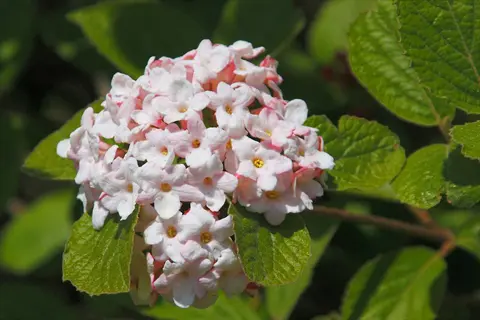
Korean Spice Viburnum
- Fragrance: Korean spice viburnum (V. carlesii) produces strong fragrant flower clusters with a spicy clove scent that can perfume your entire garden area from spring through early summer.
- Size: This compact deciduous shrub reaches 4 to 8 feet (1.2 to 2.4 meters) tall and wide, making it suitable for foundation plantings, mixed borders, and smaller garden spaces.
- Zones: Thrives in USDA Hardiness Zones 4 through 8 with reliable cold tolerance, adapting to a broad range of climates across the eastern and central United States.
- Flowers: Pink buds open into rounded clusters of creamy white flowers in mid-spring, attracting early-season pollinators including native bees and butterflies.
- Pest Resistance: Cornell University ranks Korean spice viburnum as resistant to viburnum leaf beetle, making it a safer choice in regions where this invasive pest is active.
- Landscape Use: Plant near patios, entryways, or bedroom windows to enjoy the powerful fragrance, and pair with a different cultivar for cross-pollination and berry production.
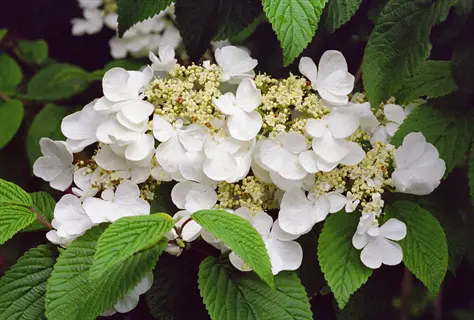
Doublefile Viburnum
- Form: Doublefile viburnum (V. plicatum var. tomentosum) grows with a distinctive horizontal branching pattern that creates elegant tiered layers of white flowers along each branch.
- Size: Reaches 8 to 10 feet (2.4 to 3 meters) tall and 10 to 12 feet (3 to 3.7 meters) wide, requiring adequate space to display its spreading architectural habit.
- Zones: Performs well in USDA Hardiness Zones 5 through 8 with consistent flowering and strong fall color ranging from reddish-purple to burgundy.
- Wildlife: Red berries ripen in summer and attract cedar waxwings, eastern bluebirds, and other songbirds that seek out viburnum fruits with high antioxidant content during migration.
- Pest Resistance: Rated as resistant to viburnum leaf beetle by Cornell University, making doublefile viburnum one of the safest long-term choices in beetle-affected areas.
- Landscape Use: Use as a specimen plant or focal point where its layered form can spread out, and avoid tight hedge rows that compress its natural shape.
Arrowwood Viburnum
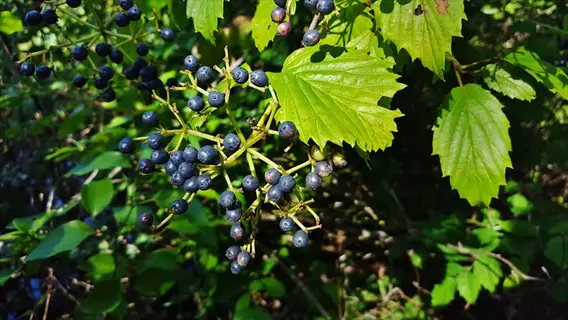
- Native Value: Arrowwood viburnum (V. dentatum) is the most versatile native species according to Penn State Extension, and it is the easiest viburnum to find at retail garden centers.
- Size: Grows 6 to 10 feet (1.8 to 3 meters) tall and wide with a dense, rounded form that works well as a privacy screen, windbreak, or natural hedge planting.
- Wildlife: Serves as a larval host plant for the spring azure butterfly and hummingbird clearwing moth while its high-lipid drupes feed migrating birds including hermit thrush and northern flicker.
- Fall Color: Produces vivid yellow to reddish-purple fall foliage along with clusters of blue-black berries that persist into early winter for late-season bird feeding.
- Pest Note: Cornell University rates arrowwood as very susceptible to viburnum leaf beetle, so monitor your plants in northeastern and mid-Atlantic regions where the beetle is established.
- Zones: Hardy in USDA Zones 3 through 8, making it one of the most cold-tolerant native viburnums you can grow in northern and Midwestern gardens.
Snowball Viburnum
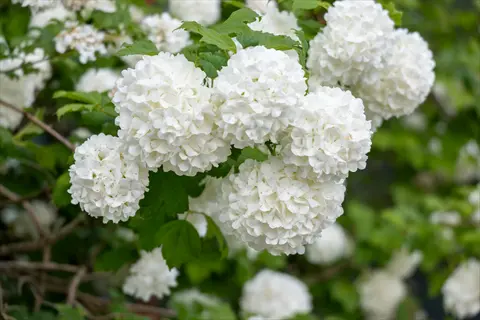
- Flowers: Snowball viburnum (V. opulus 'Roseum') produces large, globe-shaped flower clusters up to 3 inches (7.6 centimeters) across that open green and mature to pure white in late spring.
- Size: Reaches 10 to 12 feet (3 to 3.7 meters) tall and 10 to 15 feet (3 to 4.6 meters) wide, forming a large, arching shrub that makes a dramatic garden statement.
- Zones: Hardy in USDA Zones 3 through 8 with strong cold tolerance, though the European species can become invasive in parts of the upper Midwest and should be monitored.
- Fall Color: Leaves turn reddish-purple in autumn, adding a second season of ornamental value after the showy spring flower display has finished.
- Note: The sterile 'Roseum' cultivar produces no berries because all flowers are modified into showy petals, so plant the straight species if wildlife fruit production is a priority.
- Landscape Use: Works best as a specimen shrub, large hedge backdrop, or cottage garden centerpiece where its billowing white flower heads can be fully appreciated from a distance.
Nannyberry Viburnum
- Native Value: Nannyberry (V. lentago) is a tall native viburnum that grows as a large shrub or small tree, providing structural height in native plant gardens and woodland edges.
- Size: Reaches 14 to 18 feet (4.3 to 5.5 meters) tall and 6 to 12 feet (1.8 to 3.7 meters) wide, making it one of the tallest viburnum species you can find in nurseries.
- Zones: Cold-hardy all the way through USDA Zone 2 and thriving into Zone 8, giving nannyberry one of the broadest growing ranges of any viburnum species.
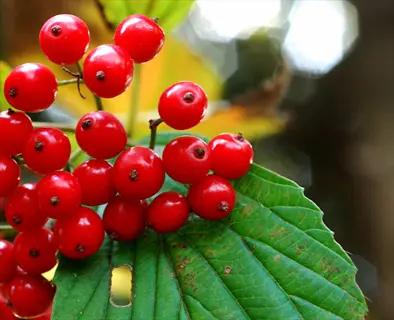
- Wildlife: Produces sweet, edible blue-black drupes that attract over a dozen bird species including cedar waxwings, robins, and eastern bluebirds during fall and winter migration.
- Fall Color: Glossy green summer foliage turns deep purple-red in autumn, combining with persistent fruit clusters for strong late-season visual interest in the landscape.
- Landscape Use: Ideal for tall screens, windbreaks, or woodland border plantings where its height can create a natural canopy edge and connect shrub and tree layers.
Blackhaw Viburnum
- Native Value: Blackhaw viburnum (V. prunifolium) is a native species that grows as a large shrub or small tree, valued for its tough constitution and tolerance of difficult growing conditions.
- Size: Reaches 12 to 15 feet (3.7 to 4.6 meters) tall and 8 to 12 feet (2.4 to 3.7 meters) wide, with a stiff, upright branching pattern that can be pruned into a small single-trunk tree.
- Zones: Hardy in USDA Zones 3 through 9 with excellent heat and drought tolerance once established, making it a strong pick for southern and transitional climate gardens.
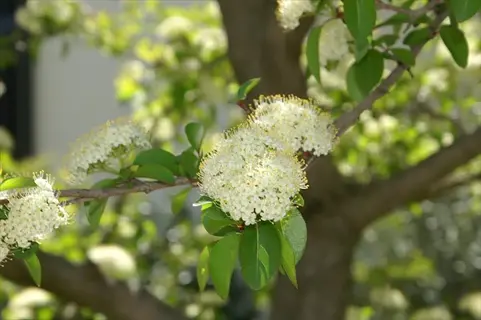
- Flowers: Flat-topped white lacecap flower clusters appear in mid-spring and attract a wide range of native pollinators including bees, flies, and small beetles.
- Fruit: Blue-black drupes ripen in fall and are edible with a sweet, date-like flavor, making blackhaw a dual-purpose ornamental and foraging plant for adventurous gardeners.
- Landscape Use: Works well as a small specimen tree, tall hedge, or naturalized planting along fencerows and woodland margins where its deep root system stabilizes soil.
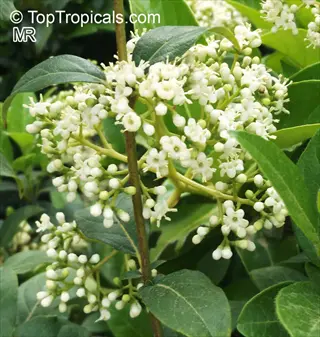
Leatherleaf Viburnum
- Evergreen: Leatherleaf viburnum (V. rhytidophyllum) keeps its thick, dark green, heavily textured leaves through winter, providing year-round structure and screening in the landscape.
- Size: Grows 6 to 10 feet (1.8 to 3 meters) tall and wide with a dense, upright habit that forms a solid privacy screen on its own without heavy pruning or shearing.
- Zones: Performs best in USDA Zones 5 through 8 and prefers some afternoon shade in hotter climates to prevent leaf scorch on its large, prominent evergreen foliage.
- Flowers: Creamy white flower clusters open in late spring from fuzzy brown buds that form the previous fall, giving leatherleaf viburnum subtle winter bud interest.
- Fruit: Red berries ripen to black in fall and provide food for overwintering birds, though cross-pollination from a second genetically different plant is required for heavy fruit set.
- Landscape Use: Ideal for year-round privacy hedges, foundation plantings against tall walls, or shaded borders where its evergreen mass adds reliable green through every season.
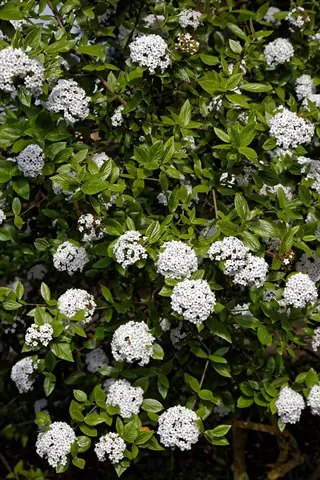
Burkwood Viburnum
- Fragrance: Burkwood viburnum (V. x burkwoodii) produces highly fragrant white flower clusters in spring with a sweet, spicy scent similar to Korean spice viburnum but on a larger and more vigorous plant.
- Size: Reaches 8 to 10 feet (2.4 to 3 meters) tall and 5 to 7 feet (1.5 to 2.1 meters) wide, maintaining a semi-evergreen habit in mild climates and deciduous form in colder zones.
- Zones: Thrives in USDA Zones 4 through 8 and tolerates a wider range of soil conditions than many viburnum species, including moderately alkaline soils and some clay content.
- Fall Interest: Semi-evergreen foliage turns wine-red in fall in cooler regions, and red berries mature to black providing late-season food for birds and visual contrast.
- Pest Tolerance: Cornell University rates Burkwood viburnum in the middle tier for viburnum leaf beetle, so you should plan for some pest management in beetle regions.
- Landscape Use: Works well as a fragrant hedge, mixed border shrub, or courtyard specimen where its scent and semi-evergreen foliage provide multi-season garden appeal.
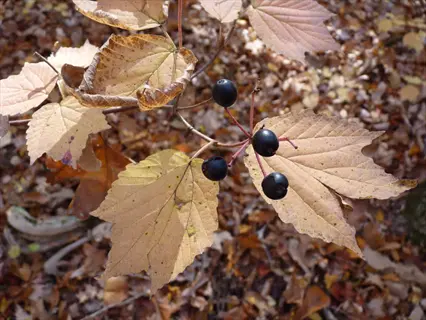
Mapleleaf Viburnum
- Shade Tolerance: Mapleleaf viburnum (V. acerifolium) is one of the few viburnum species that thrives in deep shade, growing as a woodland understory plant across eastern North America.
- Size: Compact at 3 to 6 feet (0.9 to 1.8 meters) tall and 2 to 4 feet (0.6 to 1.2 meters) wide, making it ideal for small gardens, shaded borders, and naturalized woodland plantings.
- Fall Color: Produces some of the most vivid fall color in the genus with leaves turning brilliant shades of pink, rose, red, and purple that glow in dappled woodland light.
- Native Value: One of six native viburnum species recommended by Clemson Extension for southeastern gardens, and it serves as a larval host for spring azure butterflies.
- Fruit: Blue-black berries in fall attract woodland birds including thrushes, catbirds, and other shade-dwelling species that prefer feeding in sheltered understory habitats.
- Landscape Use: Best for naturalizing under mature trees, filling shaded garden corners, or creating a low native shrub layer in woodland and shade garden designs.
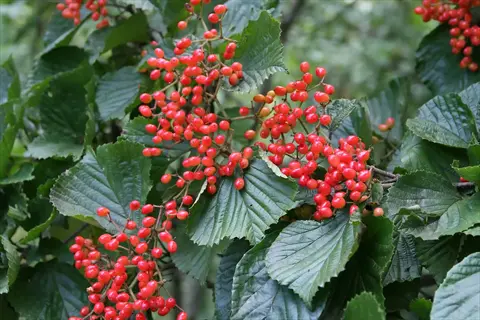
David Viburnum
- Evergreen: David viburnum (V. davidii) is a compact evergreen species with bold, deeply veined leaves that maintain their rich dark green color throughout winter in mild climates.
- Size: Stays low at 2 to 4 feet (0.6 to 1.2 meters) tall and 3 to 5 feet (0.9 to 1.5 meters) wide, making it one of the best viburnum options for foundation plantings and small spaces.
- Zones: Best suited to USDA Zones 7 through 9, performing well in Pacific Northwest and southeastern gardens where winters stay mild enough to protect its evergreen foliage.
- Fruit: Produces striking metallic blue berries in fall when a male pollinator is present, as David viburnum requires a separate male and female plant for fruit production.
- Texture: The broad, leathery leaves with three prominent veins create a bold textural contrast when planted alongside fine-textured ferns, grasses, or small-leaved groundcovers.
- Landscape Use: Ideal for low hedges, border edging, container plantings, and modern garden designs where its compact evergreen form provides clean architectural structure.
Planting and Soil Guide
Learning how to plant viburnum starts with this viburnum planting guide and timing your project right. If you garden in the South, plant in fall so roots settle before summer heat. Northern gardeners should plant in spring after the last hard frost. I've seen fall planted shrubs in Georgia grow twice as fast as spring planted ones in their first year.
Your viburnum soil requirements come down to drainage and pH. Pick a spot with well-draining soil and at least 4 to 6 hours of direct sun for most species. Test your soil pH before you dig because viburnums prefer a target range of 5.5 to 6.5 per Clemson Extension data. One bonus most people don't know is that viburnums tolerate juglone, the toxin black walnut trees release. If you have walnuts in your yard, viburnums are one of the few shrubs that thrive there.
Dig your planting hole 2 to 3 times wider than the root ball but no deeper. Mix compost into the backfill so organic matter makes up 10 to 20% of the root zone. Set plant spacing viburnum at 4 to 10 feet apart based on the mature size of your species. After planting, spread 4 to 6 inches of pine straw or 2 to 3 inches of bark mulch around each shrub.
Here's a detail I wish someone told me years ago about cross-pollination. Most viburnums won't set fruit from a single plant. You need 2 plants of the same species within 50 feet for berries. Clones from the same nursery share identical genes. Buy your pair from different sources for real variety.
Viburnum Care Through the Seasons
Good viburnum care follows the seasons. I break my viburnum maintenance into 4 blocks so I never miss a task. You handle fertilizing viburnum in spring. Then pruning viburnum comes right after the blooms fade.
In my experience, the biggest mistake gardeners make is pruning in late winter. That cuts off the flower buds from the summer before. You lose spring blooms and fall berries in one bad trim. Time your cuts right after flowers fade and your shrub rewards you next year. Viburnums also turn into drought tolerant viburnum plants once their roots take hold. You'll spend less time watering viburnum than most shrubs in your beds.
Spring Care Tasks
- Fertilize: Apply a balanced slow-release fertilizer around the drip line in early spring before new growth begins to support strong flower bud development and overall plant health.
- Monitor Pests: Check twigs for viburnum leaf beetle egg sites starting in late April, especially on susceptible species like arrowwood, and prune out infested twigs before larvae hatch.
- Mulch Refresh: Top off mulch to maintain 4 to 6 inches (10 to 15 centimeters) of pine straw or 2 to 3 inches (5 to 7.6 centimeters) of bark mulch around the root zone.
Summer Care Tasks
- Watering: Water newly planted viburnums 2 to 3 times per week for the first 6 to 8 weeks, then transition to deep weekly watering during dry spells once roots are established.
- Pruning: Prune spring-blooming viburnums immediately after flowering to shape the shrub without removing next year's flower buds that will form on the current season's wood.
- Disease Watch: Monitor for powdery mildew during humid summer weather, ensuring good air circulation around plants and avoiding overhead watering that keeps foliage wet.
Fall Care Tasks
- Planting: Fall is the preferred planting season in southern and transitional climates because cooler temperatures reduce transplant stress and allow roots to establish before winter dormancy.
- Leaf Cleanup: Rake and dispose of fallen viburnum leaves if powdery mildew was present during summer to reduce fungal spore carryover into the following growing season.
- Enjoy Berries: Leave berry clusters intact through fall and early winter to feed migrating and overwintering birds that actively select viburnum fruits with high antioxidant content.
Winter Care Tasks
- Inspect Twigs: Examine twigs on susceptible viburnum species for rows of small bumps, which are viburnum leaf beetle egg-laying sites that can be pruned out and destroyed before spring.
- Protect Evergreens: Shield evergreen viburnums like leatherleaf and David viburnum from drying winter winds with burlap screens or anti-desiccant sprays in exposed garden sites.
- Plan Additions: Winter is the best time to evaluate your garden layout and plan new viburnum plantings, especially pairing genetically different plants for cross-pollination next spring.
Wildlife and Ecological Benefits
The viburnum wildlife value goes far beyond pretty berries. Viburnums serve as a viburnum butterfly host plant for the spring azure and hummingbird clearwing moth per Penn State data. Your shrub feeds caterpillars that then feed baby birds in the same yard. You build a full food web with one genus.
Think of a single arrowwood viburnum for birds as a roadside diner on a migration highway. Hermit thrushes, cedar waxwings, and eastern bluebirds all stop to eat the fat rich drupes each fall. Research from Bolser shows birds pick berries with the most antioxidants first. Your viburnum pollinators make those berries possible.
The viburnum ecological benefits show up fast in your yard. I counted 14 bird species at one native viburnum in my backyard over a single October weekend. That pull comes from giving the shrub a pollination partner nearby. North America has 24 native species for your local food web.
Viburnum Leaf Beetle Defense
The viburnum leaf beetle is the single worst viburnum pest you need to know about. Cornell viburnum research shows this bug first hit North America in 1924. It has spread from the northeast and now moves south and west each year. If you grow viburnums, you need to plan for this pest before it shows up in your area.
Here's why native viburnum pests hit so hard. European viburnums crush beetle eggs inside their twig tissue as a defense. North American species never faced this bug. They lost that defense over time. Cornell calls their egg crushing response "greatly reduced" next to European species. That's why your native shrubs take so much damage.
Your integrated pest management plan should follow 3 layers. First, choose a pest resistant viburnum like Korean spice or doublefile that Cornell rates as beetle safe. Second, inspect your twigs in winter for rows of small bumps where females lay eggs. Prune and destroy those twigs before late April when larvae hatch. Third, if larvae appear on leaves, treat with a targeted product that won't harm the bees working your garden.
I lost 2 arrowwood shrubs to viburnum leaf beetle before I learned this system. Now I mix resistant and susceptible species in my beds and check twigs each January. That simple routine has kept viburnum diseases and beetle damage under control in my garden for 4 straight years.
Landscape Design With Viburnum
Good viburnum landscape design matches each species to a clear role in your yard. I've used viburnums as a viburnum hedge and as container plants on small patios. Pair the right species with the right viburnum companion plants for a look that works all year.
Below you'll find 4 proven combos I use in my own garden plans. Each one names a species for the job plus 2 to 3 partners. You can use these for a viburnum privacy screen or a viburnum foundation planting. They also work great when you need a viburnum specimen plant in a cottage bed.
Privacy Hedge Planting
- Best Species: Leatherleaf viburnum or arrowwood viburnum planted 4 to 6 feet (1.2 to 1.8 meters) apart creates a dense, naturalistic screen that fills in within two to three growing seasons.
- Companions: Pair with ornamental grasses at the base and native ferns on the shaded side to soften the hedge line and add textural contrast at ground level.
- Maintenance: Allow the hedge to grow naturally rather than shearing into formal shapes, which preserves flower buds and berry production for wildlife and seasonal interest.
Cottage Garden Focal Point
- Best Species: Snowball viburnum or Korean spice viburnum placed as a central specimen surrounded by perennials creates a romantic, old-fashioned garden atmosphere with fragrance and billowing blooms.
- Companions: Underplant with shade-tolerant hostas, astilbe, and woodland phlox that thrive in the dappled light beneath the viburnum canopy during summer months.
- Season Flow: The viburnum provides spring flowers, the perennials carry color through summer, and the viburnum's fall foliage closes the season with warm red and purple tones.
Woodland Wildlife Corridor
- Best Species: Mapleleaf viburnum and nannyberry planted together along woodland edges create a low-to-tall layered habitat that supports caterpillars, nesting birds, and migrating songbirds.
- Companions: Add native serviceberry, winterberry holly, and wild columbine to extend the berry season and flower variety for pollinators from early spring through late fall.
- Ecological Value: This combination provides food and cover for spring azure butterflies, hermit thrushes, and other native wildlife species that depend on layered shrub habitats.
Container and Patio Garden
- Best Species: David viburnum or compact cultivars like Blue Muffin (V. dentatum 'Christom') work well in large containers with a minimum depth of 18 inches (45.7 centimeters) and good drainage holes.
- Container Tips: Use a high-quality potting mix amended with compost, water consistently to prevent the rootball from drying out, and feed with slow-release fertilizer each spring.
- Winter Protection: In zones at the edge of the species' hardiness range, wrap containers with bubble wrap or move them to a sheltered location to prevent root freeze damage.
5 Common Myths
Viburnums are completely deer-proof and no deer will ever touch them under any conditions in any region.
Viburnums receive an 'A' rating (rarely damaged) on the Rutgers deer-resistant list, but heavy browse pressure or food scarcity can still lead to occasional deer feeding.
A single viburnum shrub will produce a heavy crop of berries on its own without any other viburnum nearby.
Most viburnum species are self-incompatible and require cross-pollination from a genetically different plant of the same species within 50 feet (15 meters) for reliable fruit production.
All viburnum species are native to North America and belong naturally in any United States wildlife garden.
Only 24 of the over 150 recognized viburnum species are native to North America. Some non-native species like European cranberrybush can become invasive in certain regions.
Viburnum leaf beetle attacks all viburnum species equally so there is no point in choosing resistant varieties.
Cornell University research shows clear differences in susceptibility. Korean spice, Judd, and doublefile viburnums resist the beetle, while arrowwood and possum-haw are highly vulnerable.
Viburnums need full direct sunlight all day long and will fail completely if planted in any amount of shade.
Most viburnums thrive in full sun to partial shade with four to six hours of direct light. Species like mapleleaf viburnum naturally grow as understory plants in woodland shade.
Conclusion
To recap, growing viburnums well comes down to 3 important decision points. Pick the best viburnum varieties for your zone and landscape role. Plan for cross-pollination by buying 2 plants of the same species. Then select beetle resistant types so pests don't ruin your hard work.
Clemson Extension confirms that viburnum shrubs span over 150 species across Zones 2 through 11. Every garden in the country has a match. Wildlife gardening gets a boost from 24 native viburnum species. They feed butterflies, songbirds, and migrating flocks right from your yard.
Looking forward, proper species selection and good viburnum care build a great garden feature. In my experience, blooms and berries get better with time. I've watched my own plantings go from bare twigs to full bird magnets in just 3 seasons.
Your practical next step is to check Cornell's rankings before you buy. Source your plants from different nurseries for genetic variety. Those 2 steps set you up for decades of success with viburnum shrubs in your garden. Start with one pair and your yard will reward you for years.
External Sources
Frequently Asked Questions
What are the disadvantages of viburnum?
Viburnums can be vulnerable to viburnum leaf beetle, especially native North American species. Some varieties spread through suckers, and most need a second genetically different plant for cross-pollination to produce berries.
Where is the best place to plant viburnum?
Plant viburnum in a spot with morning sun and afternoon shade in hot climates, or full sun in cooler regions, with well-drained, slightly acidic soil rich in organic matter.
Do viburnum like sun or shade?
Most viburnums perform best in full sun to partial shade, receiving at least four to six hours of direct sunlight per day. A few species like mapleleaf viburnum tolerate deeper shade.
How big does a viburnum grow?
Viburnum species range from compact 2-foot (0.6-meter) dwarf cultivars to towering 30-foot (9-meter) trees depending on species and growing conditions.
How long does viburnum last?
A healthy viburnum shrub can live for 50 years or more when planted in suitable conditions and given proper care including occasional pruning and pest management.
Why does viburnum smell?
Some viburnum species like Korean spice viburnum produce a strong clove-like fragrance from their flowers to attract pollinators, while others like cranberrybush viburnum have an unpleasant musty scent.
Do viburnums grow quickly?
Most viburnums grow at a moderate to fast rate of 1 to more than 2 feet (30 to 60 centimeters) per year once established, with species like arrowwood among the fastest growers.
What plants pair well with viburnum?
Viburnums pair well with companion plants like hydrangeas, hostas, ferns, ornamental grasses, and native perennials that share similar soil and light preferences.
Do viburnums lose their leaves in winter?
Deciduous viburnums lose their leaves in winter after showy fall color, while evergreen and semi-evergreen species like leatherleaf and David viburnum keep foliage year-round.
What are common viburnum problems?
Common viburnum problems include viburnum leaf beetle infestations, powdery mildew, bacterial leaf spot, poor fruit set from lack of cross-pollination, and leaf scorch from drought.