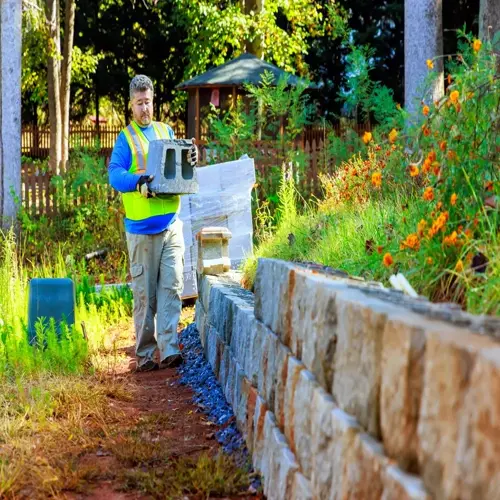

Pet safety is always a serious consideration when it comes to utilizing natural squirrel deterrents in an area where animals gather. While environmentally safe formulas decrease risk, the proper application technique safeguards your pets. For the past several years, I have incorporated a combination of squirrel management and pet safety in my dog-friendly backyard. Knowing the important precautions creates successful protection without risking your friend.
Capsaicin Precautions
- Avoid spraying near pet food bowls or resting areas
- Create buffer zones around dog runs and cat trees
- Rinse treated surfaces before pet access resumes
Essential Oil Safety
- Dilute peppermint oil heavily around feline environments
- Use eucalyptus only in well-ventilated outdoor spaces
- Choose citrus oils as safer alternatives for households
Plant Selection
- Prioritize pet-safe marigolds over toxic daffodils
- Plant mint in containers away from digging zones
- Use raised beds for potentially harmful varieties
Timing of applications greatly decreases exposure risk to pets. When you confine pets, like while in their crates, apply the treatment. I use the repellents when my dogs are napping inside. Ensure the areas are dry before allowing pets back in. Time for reapplications for routine vet visits, so you don't need to keep pets off the property while they are there.
Set up safety barriers for high-risk repellents. Use temporary fencing that surrounds treated garden beds. I use decorative stone to indicate repellent zones. Use positive reinforcement to train your pets to avoid areas that are designated as off-limits. Visual cues provide clear boundaries for your animals to avoid.
Good storage practices avoid unintentional ingestion. Store concentrates locked-up cabinets beyond pet reach. I store mine on high shelves in the garage. Ensure that all containers are clearly labeled with corresponding dates and information. Take expired products to hazardous waste facilities immediately for proper disposal.
Always watch your pets for signs of reaction after applications. Observe them for excessive scratching or licking their paws around the treatment area. I keep a pet-safe rinse solution on hand for emergencies. If any symptoms of exposure appear, consult your veterinarian immediately.
Read the full article: 10 Natural Squirrel Repellents That Work