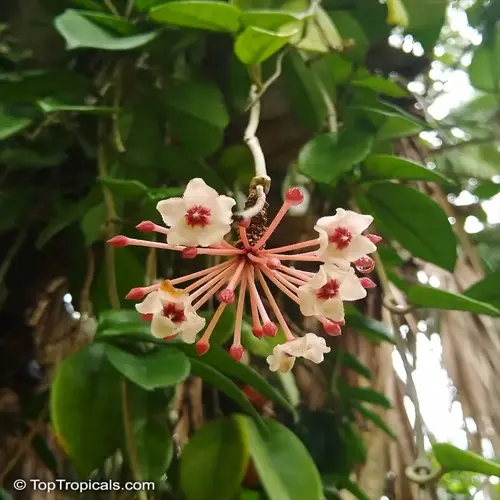

The hoya indoor outdoor question depends on where you live. For most people, hoyas are indoor plants. They come from tropical forests in South and Southeast Asia, according to Odago et al. 2022. Only growers in USDA Zones 10 through 12 can keep them outside all year. If you live anywhere else, your hoya needs to stay indoors or come inside before temps drop.
I live in Zone 7 and treat my hoyas as indoor plants for about nine months of the year. Once late spring arrives and nights stay above 60°F (16°C), I move a few favorites onto my covered patio. They love the extra humidity and air movement that comes with outdoor living. Last summer, my Hoya carnosa pushed out more growth in three outdoor months than it did during the entire winter inside. But I watch the forecast like a hawk because one chilly night can set them back.
Your hoya cannot handle frost at all. ISU Extension says temps below 55°F (13°C) put hoyas at risk for damage. University of Florida sets the survival floor at 45°F (7°C). But your plant will suffer well before it gets that cold. You'll see leaves turn brown or drop off. Roots slow down so much they can't absorb water. Cold damage sneaks up fast with tropical plants like hoyas, so don't gamble with cool nights.
Your hoya hardiness zone tells you what's possible outdoors. Zones 10, 11, and 12 include parts of Florida, Hawaii, and southern California. If you garden in these warm areas, you can plant hoyas on trees and trellises all year long. The heat and humidity match their native habitats well. If you don't live in these zones, your hoya belongs indoors as a full-time house resident. In my experience, indoor hoyas do just as well as outdoor ones when you give them good light and the right soil mix. You won't miss out on anything by keeping your plant inside year-round.
Growing hoya outside during summer gives your plant a real growth boost even in colder zones. You need to pick the right spot though. Choose a shaded area under a tree or a covered porch where your hoya gets bright filtered light without direct afternoon sun. Outdoor light hits much harder than window light. A spot that seems shady to you still gives your plant plenty of energy to grow. I keep mine under a patio awning where they get morning sun and afternoon shade.
You need to make the hoya indoor outdoor switch slowly. Don't move your hoya from a dim winter window straight into outdoor brightness. Spend about a week easing it out. Start in full shade and work toward brighter spots each day. Do the same thing in reverse when fall arrives. Bring your hoya inside before night temps drop below 60°F (16°C) to avoid any cold stress. I start checking night temps around mid-September and bring my plants in at the first sign of cool weather.
You'll do best treating your hoya as an indoor resident with optional summer vacations. Keep it in bright filtered light by a window. Hold your room between 65°F and 80°F (18°C and 27°C) and you're set. Your home already matches hoya needs better than you might expect. That's what makes them such great indoor companions for any climate zone.
Read the full article: Hoya Plant Care and Growing Guide