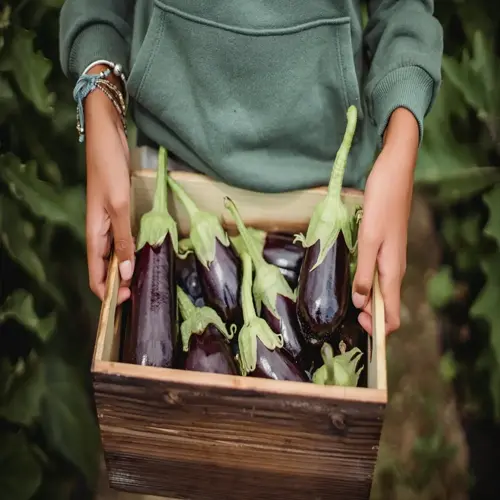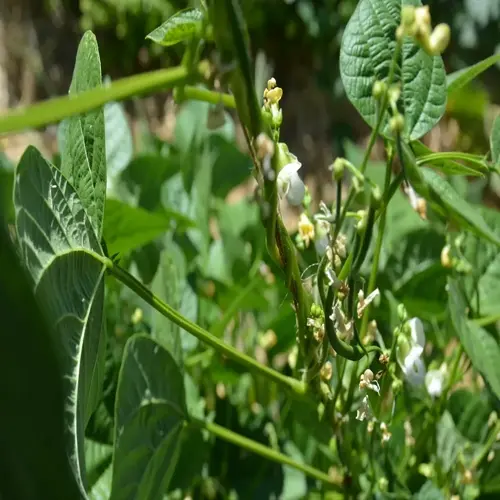

You'd be amazed at how much companion planting affects the health and productivity of your kale. Some plants make your kale miserable by competing for nutrients or sharing pest pathways. These relationships enable you to maximize the benefits of your plants. Thoughtful arrangement helps avoid bugs in your plants, growth arrest, and other issues.
Tomatoes
- Compete heavily for nitrogen and phosphorus
- Attract identical pests like aphids and whiteflies
- Spread fusarium wilt between plant families
Strawberries
- Share susceptibility to verticillium wilt
- Create habitat for slugs and spider mites
- Require acidic soil conflicting with kale's pH needs
Beans
- Nitrogen-fixing disrupts kale's nutrient absorption
- Encourage excessive leaf growth reducing flavor
- Vine varieties create shading issues for sun-loving kale
To avoid negative interactions, plant incompatible species in separate beds or container gardens. Use barrier plants, such as marigolds, to separate crops that should not be planted together. Doubling rows of kale between rows of other alliums and herbs creates beautiful pest defenses.
Helpful companions drastically improve kale growth. Onions and garlic fight off aphids. Dill and mint deter cabbage worms. Nasturtiums are trap crops that lure pests away from other plants. These companions help kale without the use of chemicals.
What shouldn't be near kale? Avoid these companion plants: Tomatoes, which both compete for nutrients and attract some of the same pests. Strawberries, susceptible to the same soil-borne diseases. Beans, whose nitrogen-fixing ties up nutrients kale prefers. Proper spacing takes care of those.
Read the full article: How to Grow Kale: Ultimate Guide for Home Gardeners