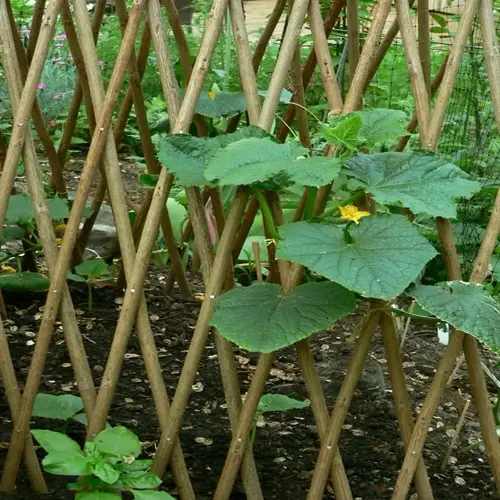

Preventing pests on your bean plants involves developing an integrated management strategy rather than spraying the plants at the first sign of trouble. Start with resistant varieties such as dark purple 'Royal Burgundy', whose unusual color confuses common bean beetles. Build on this foundation with physical barriers and biological controls for continuous, chemical-free pest management throughout the season.
Resistant Varieties
- Purple types like 'Royal Burgundy' naturally deter beetles
- Wax beans suffer less aphid damage than green varieties
- Heirloom 'Rattlesnake' pole beans repel Mexican bean beetles
Physical Barriers
- Install floating row covers immediately after planting
- Use copper tape around containers to block slugs/snails
- Apply kaolin clay spray creating protective particle film
Biological Controls
- Release ladybugs and lacewings for aphid control
- Apply beneficial nematodes to soil for cutworm larvae
- Plant nectar flowers attracting parasitic wasps
Rotate crops by moving your beans to a new bed every year. By doing so, you will disrupt the life cycle of certain pests, especially soil-dwelling insects like wireworms. Follow the beans with a non-legume, such as corn and tomatoes, making their patches biological disruption zones.
Observe plants for signs of insects, as weekly inspections of the undersides of plants, including leaves and stems, prove effective. You can also use yellow sticky traps to help detect flying pests early. Identify problems as soon as you witness damage, including pin-sized holes or distorted growth, before it progresses to an infestation.
Timing interventions with careful controls early in the day, while beneficial insects are less active, is beneficial. Avoid broad-based pesticides and benefit from nature's predators. If infestations are severe, as a last resort, use targeted sprays with neem oil sparingly at dusk.
Enhance plant health by providing adequate spacing and needed airflow to minimize the attraction of pests. When plants are crowded, the surrounding humidity creates a microclimate that allows pests such as mites and aphids to thrive. Space bush beans 6 inches apart and pole types 12 inches apart.
Read the full article: 7 Essential Steps: How to Grow Green Beans