
Garden soil disastrous for container plants. Although attainable, garden soil is often unsuitable for use in a pot. It will surely harden into blocks of concrete that choke the roots, thus preventing admission of the necessary oxygen and holding water within the mass, bringing on fatal root rot. Potting loam, properly prepared, is free and loose, all that the roots require.
Structural Problems
- Compacts under repeated watering
- Blocks oxygen to plant roots
- Drains poorly causing waterlogging
Biological Risks
- Harbors fungal spores and bacteria
- Introduces root-eating insects
- Spreads weed seeds rapidly
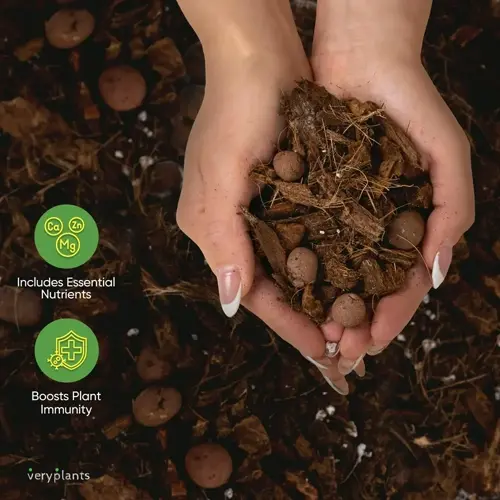
Potting Soil Contains "Air" Several types of potting mixes contain things like perlite, vermiculite, and/or coco coir. These are added to create air pockets in the soil, on which healthy roots thrive. Commercial mixes often contain starter nutrients, specifically designed to meet the nutrient needs of young plants. These mixes are also sterile, meaning they are free from the diseases commonly found in reused garden soil. Always select mixes that are labeled for use in containers.
Renovate them if you must use potting soils. Mix no more than 30% garden soil with 70% fresh potting mix, and ensure the old soil has been pasteurized first (i.e., baked in an oven at 180°F for 30 minutes). Nevertheless, expect lower yields than with pure potting mixes.
Container plants thrive when their roots have ample air to breathe. Never allow your roots to become exhaustively entangled in their soil. Re-pot every season. You may buy fresh soil or modify the worn and poorly mixed soil. See how plants revel in their fresh medium and grow much more luxuriantly. Your crops will repay you for this essential investment in ingredients.
Read the full article: 10 Essential Container Gardening Tips for Beginners