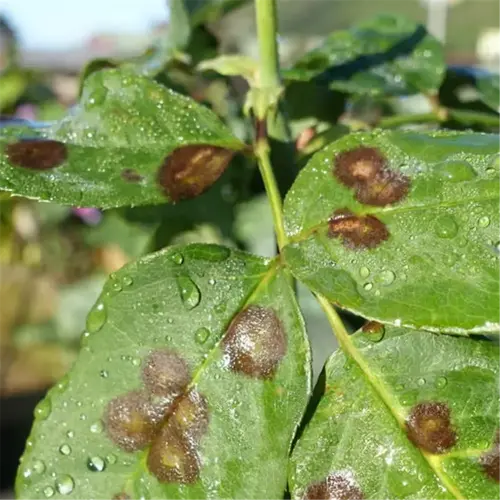

Many rose growers are disappointed by commercial potting mixes. They are easy to use, but they do not have the necessary drainage or nutrient ratios required to grow roses. I have seen commercially bought mixes suffocate the roots within weeks. I have had better results by mixing 50% loam soil, 30% perlite, and 20% compost. This mixture emulates their natural habitat.
Loam Soil
- 50% base for structure and nutrients
- Provides calcium and magnesium
- Supports mycorrhizal fungi networks
Perlite
- 30% aeration to prevent compaction
- Creates air pockets for root respiration
- Doesn't break down over time
Mixes based on peat are notorious for this problem. A client in Seattle lost six roses to root rot before I converted her to a mix loaded with perlite. Peat acts like a sponge: excellent for ferns, terrible for roses. Just make sure to monitor the peat content on the label, and if it exceeds 20%, don't buy it.
Summer Care
- Add 5% coconut coir for extra moisture
- Top-dress with worm castings monthly
- Elevate pots to improve airflow
Winter Prep
- Mix in 10% bark chips for insulation
- Reduce perlite to 25% for slower drainage
- Wrap pots in bubble foil below -1°C (30°F)
It is never a safe idea to reuse old potting mix without sterilizing. To properly sterilize the potting mix, you can bake it to 82°C (180°F) for about 30 minutes to kill pathogens. But an even safer thing to do is swap out 50% of the potting mix once a year. Your roses will thank you with deep-colored flowers and a little less pest-fighting for you to deal with. Trust this process.
Read the full article: Best Soil for Roses: Expert Tips for Lush Blooms